

The Taliban, now the undisputed rulers of Afghanistan, has set its sights on eradicating the problem of narcotics addiction, even if it means using force.
The battle-hardened fighters-turned-policemen prowl the capital’s drug-infested underground at nightfall. Hundreds of homeless men addicted to heroin and methamphetamines are gathered up, assaulted, and forced brought to treatment centres beneath Kabul’s bustling city bridges, amid mountains of waste and streams of dirty water.
Last week, the Associated Press was granted rare access to one of these raids.
The image revealed the Taliban’s new order: the men sat against stone walls with their hands tied, many of them suffering from mental illness, according to doctors. They were warned that if they didn’t get their act together, they would be beaten.
Some health professionals, who have had no choice but to adjust to Taliban control, applaud the harsh tactics. “This is no longer a democracy; it is a dictatorship.” And the only way to cure these people is to use force,” said Dr. Fazalrabi Mayar, who works in a rehab facility. He was referring to Afghans who were addicted to heroin and meth.
Doctors say that shortly after the Taliban took power on August 15, the Taliban health ministry issued an order to these hospitals, indicating that they intend to strictly regulate the problem of addiction.
The imprisoned, bleary-eyed and gaunt, represent a spectrum of Afghan lives shattered by the country’s terrible history of war, invasion, and hunger. Poets, soldiers, merchants, and farmers were among them.
Afghanistan’s massive poppy fields supply the majority of the world’s heroin, and the country has also become a major supplier of methamphetamine. Both have fueled widespread addiction in the United States.
The illicit opium trade is inextricably linked to Afghanistan’s economy and political unrest. Poppy producers make up a significant rural Taliban constituency, and most rely on the harvest to make ends meet.
The Taliban has long denied any ties to the drug trade in public. Prior to the US invasion, it also imposed the only fully successful opium production prohibition, which took place between 2000 and 2001. Successive governments have been unable to achieve the same results.
Taliban fighters stormed a drug house beneath a bridge in Kabul’s Guzargah neighbourhood on a recent evening. They ordered the men out of their filthy barracks with whipping cords and slung weapons. Some stumbled out, while others were thrown to the ground. The men preferred to use up all of their drugs before they were confiscated, so the abrupt clinking of lighters followed another request to hand over goods.
As he took in the smoke, one man sparked a match beneath a piece of foil, his sunken cheeks deepened. He just stared blankly into space.
Another man was hesitant. He pleaded, “They’re vitamins!”
Qari Fedayee, a Taliban fighter, was tying up the hands of another.
He said, “They are our countrymen, our family, and there are wonderful people inside of them.” “God willing, the hospital staff will treat them well and cure them.”
A bespectacled old guy raised his voice. He declared that he is a poet and that if he is released, he will never use drugs again. To show his point, he penned verses on a piece of paper. It didn’t work out.
What made him turn to drugs? He said, “Some things aren’t meant to be told.”
In the end, at least 150 men were apprehended. They were transported to the district police station, where they were ordered to burn all of their stuff, including narcotics, wallets, knives, rings, lighters, and a juice box, because they were not allowed to take them to the treatment centre. A Taliban officer crouched close, counting prayer beads as he watched the clouds of flames.
They were transferred to the Avicenna Medical Hospital for Drug Treatment on the outskirts of Kabul by midnight. Camp Phoenix, which was created by the US army in 2003 as a military base, was converted into a drug treatment centre in 2016. It is now Kabul’s largest, with a capacity of 1,000 people.
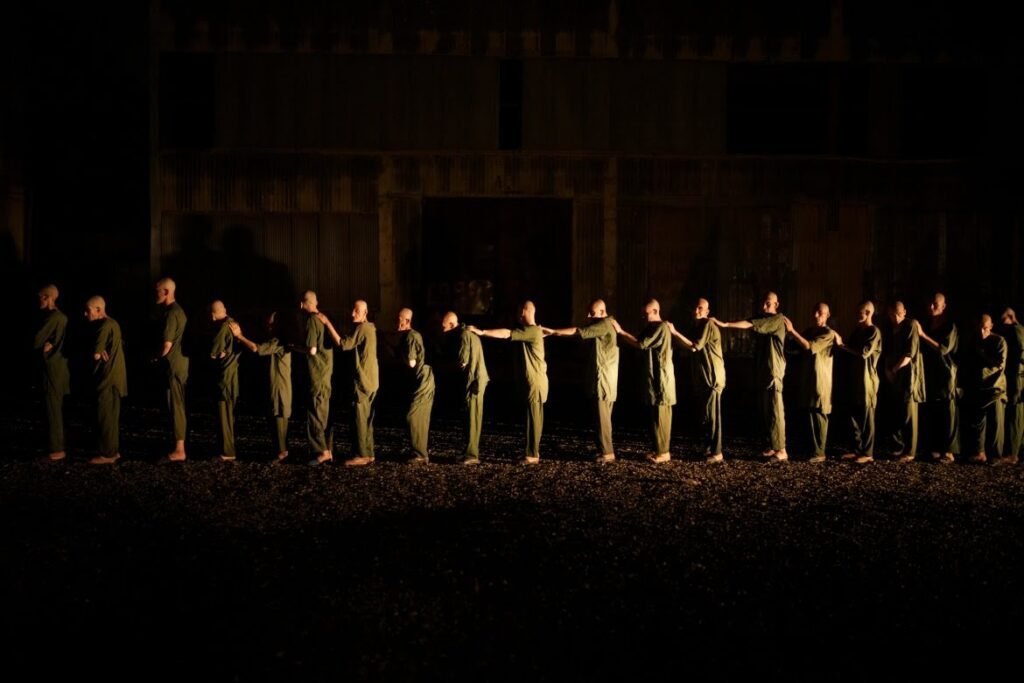
The males are undressed down to their underwear and showered. They have shaven heads.
According to Dr. Wahedullah Koshan, the lead psychiatrist, a 45-day therapy programme begins here. They will go through withdrawal with only some medical assistance to help them cope with the anguish and pain.
Alternative opioids such as buprenorphine and methadone, which are commonly used to treat heroin addiction, are not available at the hospital, according to Koshan. His employees have not been paid since July, but he claims the health ministry assured him that they would be paid soon.
The Taliban’s objectives are much larger. “This is just the beginning; later on, we’ll go after the farmers and punish them according to Sharia law,” stated Qari Ghafoor, the lead patrol officer.
(With Inputs from Al-Jazeera)


The Chenab Times News Desk