


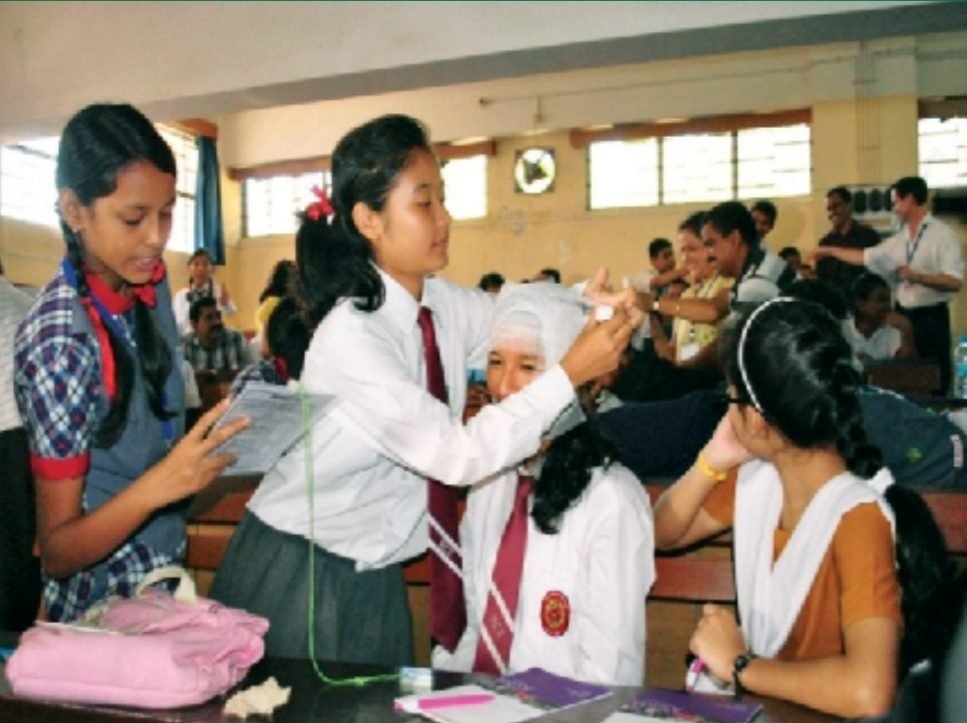
The history of first aid is more than 160 years old. A young businessman called Henry Dunant witnessed the carnage at the battle of Solferino in 1859 and he was horrified. His book, “Memoirs of Solferino”, inspired the formation of ICRC, which was based on Dunant’s idea for an independent organization to care for wounded soldiers. Later, he became the co-founder of the Red-Cross. From his discoveries in the 19th century to this day, human suffering still remains universal. From war injuries to the everyday road and household accidents, the importance first aid is explicit.
A timely provided first aid can be the barrier between life and death. Millions of people are hurt or killed from injuries every year because adequate and timely assistance is not provided. Effectively, first aid reduces deaths, injuries, and impact during disasters and daily emergencies. Its primary goal is to protect life and prevent the condition from getting worse. As a matter of fact, it is not necessary for a certain medical staff to avail help at each and every moment rather ordinary people can provide help and save someone’s life by providing first aid, subject to such cases. It provides an immediate response to an emergency, taking life-saving measures until professional help arrives. Simple first aid skills, and the confidence to use them, can save lives and everyone, if properly trained, has the potential to save lives. Even though International Committee of Red Cross is working to provide basic first aid knowledge, however that is not sufficient for the developing nation like India. According to a report in The Times of India, nearly 27% deaths account due to a want for medical attention. In another report, it is suggested that nearly 50% of road accident deaths could have been prevented if primary care was given to the victim within the hour of injury.
With the advent of technology, people in today’s era study to gain materialistic benefits instead of helping the society grow and move towards development; and it unfortunately results them to opt for professions that do not suit their qualifications. The point here needs to be considered is that first aid treatment is a must skill that every citizen should acquire regardless of their profession and it is a profession for the youth that could not go for higher education but still can earn to live a decent life. They usually after dropping out sit in a medical shop and learn basic first aid stuffs. Even after working for life they cannot uplift them and remain in the boundaries to run a medical shop only. We do not find any such examples in public sector like an institute established to prepare a bulk of first aiders, and if searched, the search goes vain. However, as the saying goes ‘where there is a will there is a way’ we do find, Dr Shabab Aalam, an educationist by profession, who hails from Muzaffarnagar, has established the First Aid Council of India, with the vision to impart first aid specialist knowledge throughout India. The FACI aims to prepare first aiders by providing certificate and diploma courses to desired and qualified ones, and thus stopping the ‘quackers’ from gaming the system. This institution thus tries to help contribute in fighting issues around the primary health throughout India.
To conclude, it is necessary that several such institutions are established and the responsibilities are taken care of by everyone. First aid education should be thus introduced to each corner and street of the country, which would result in upliftment of the society at a grassroots level.


Kinza Javed is Delhi based columnist