


![In August 2019, India's Hindu nationalist government abrogated Article 370 of the constitution, which had given exclusive citizenship rights to the residents of the Muslim-majority region [File: Tauseef Mustafa/AFP]](https://thechenabtimes.com/wp-content/uploads/2021/02/d94e3a25a7d948648b7c772d748ae743_18.jpeg)
As a journalist deeply entrenched within the heart of Jammu and Kashmir’s Chenab Valley, I have been an unwavering observer of the seismic changes that unfurled in the wake of the abrogation of Article 370 in August 2019. While the government’s narrative painted a picture of progress and prosperity, the on-ground reality paints a far more intricate and nuanced portrait.
In a pivotal legal moment that reverberates through the intricate tapestry of post-Article 370 Jammu and Kashmir, the Supreme Court embarked on a momentous journey on Wednesday as it began hearings on a cluster of petitions challenging the unprecedented abrogation of Article 370 by the Modi government in 2019. This watershed decision, which undeniably altered the contours of the region’s constitutional landscape, triggered a series of transformative shifts that have left an indelible mark on the erstwhile state’s socio-political fabric. As the hallowed halls of the judiciary bear witness to the arguments and counterarguments surrounding this contentious decision, the echoes of a monumental constitutional reconfiguration continue to resonate, reframing the discourse on Jammu and Kashmir’s path of change and progress.
Reflecting on Uncertainty: “اتنے دن کیسے رہے؟“
In the labyrinthine landscape of post-Article 370 Jammu and Kashmir, change unfolded with an enigmatic duality – an ostensible transformation that danced on the surface, and an intricate tapestry of thoughts and experiences that remained veiled, hidden from the prying eyes of discourse. As the dust settled on the seismic abrogation of Article 370, the region bore witness to a series of transformations that traversed the realms of politics, governance, and daily existence. Yet, within this metamorphosis, the heartbeats of a silenced populace echoed a narrative that defied the official discourse – a narrative best encapsulated in the poignant lines of “اتنے دن کیسے رہے؟”.
The lens of change, often marred by the distortion of official narratives, captured glimpses of transformation that painted a portrait of control – a veneer of tranquility that obscured the tumultuous undercurrents of the past. The familiar tableau of freedom protests, once a recurrent sight, seemed quelled, and the clamor of stone-pelting voices muffled. The government’s proclamation of normalcy was echoed in visible markers – the ebb of chaotic demonstrations and a semblance of restored order. The horizon of progress glowed with the incandescence of burgeoning tourism, breathing life into the dormant economy. Yet, beneath this carefully curated facade, the simmering cauldron of thoughts and perceptions remained uncharted, stifled by the pall of silence that shrouded the conversations of the populace.
Venturing into the heart of the Chenab Valley, I embarked on a journey of dialogue and introspection, engaging with the residents whose voices were poised on the precipice of silence. Amidst the backdrop of the stunning landscapes that greeted the eye, conversations coursed with an undercurrent of caution. The enigma of change that unfolded on a national canvas had its own reverberations within the confined spaces of this valley. A mosaic of emotions, hesitations, and unspoken fears emerged, reflecting the tumult that lay beneath the surface.
In the crucible of 2019, when the fabric of communication was woven with threads of seclusion, a shroud of uncertainty descended upon the region. Curfews and closures draped the towns and villages, severing the lifelines that connected communities. My own small town, nestled within the expanse, became a microcosm of the larger reality – a mere kilometer and a half in length, yet adrift in a sea of information blackouts. The bustling marketplaces, once the heartbeat of daily life, became veiled in an unsettling silence. The familiar hum of conversations was replaced by an eerie quietude, as calls and connections faded into oblivion. The digital arteries that connected us to the world were abruptly severed, leaving us ensconced in a cocoon of isolation.
As “اتنے دن کیسے رہے؟” flowed from my pen, it crystallized the emotions that coursed through the collective veins of the region. The verses echoed the profound disconnect that permeated our lives during those trying days – a disconnect that extended beyond geographical boundaries and seeped into the very fabric of human connection. The poem resonated as a poignant cry for understanding, a testament to the unspoken challenges that unfolded when the curtains of communication were drawn closed.
In this intimate exploration, the experiences shared with the residents of Chenab Valley reinforced a resounding truth – the chasm between official narratives and the whispered realities that dwell within the hearts of the people. While the canvas of change bore vivid strokes of progress, it also etched the contours of concealed apprehensions, hopes, and grievances. The experiences exchanged in hushed conversations underscored a reality that defied the facile narratives of normalcy – a reality best encapsulated in the question that echoed through the poem’s verses: “اتنے دن کیسے رہے؟”.
Illusion of Progress: Tourism and Infrastructure Upgrades
In the aftermath of the abrogation, Jammu and Kashmir’s landscape underwent a visible transformation – an apparent surge in tourism and extensive development of road infrastructure greeted the eyes. The region beckoned tourists, drawn by its natural splendor and the allure of a rejuvenated era. Roads were revamped, promising enhanced connectivity and fostering optimistic aspirations for improved accessibility. The picture-perfect postcards illustrated a narrative of progress, presenting a vision of change and development.
Yet, beneath this veneer of progress lay a tapestry woven with complexities. The initial influx of visitors and the allure of enhanced road networks veiled deeper-rooted challenges that continued to cast a shadow. The aspirations of the populace for meaningful employment opportunities and a brighter future were still largely unrealized. As the tourism sector flourished, it seemed to magnify the persisting issues of unemployment and disillusionment, underscoring a profound dissonance between the narrative of progress and the on-the-ground realities.
The influx of tourists and the evident infrastructural improvements portrayed only a fraction of the full picture. While these developments sparked optimism and reflected positive change, the benefits did not necessarily extend equitably to the local population. The surge in tourism did not equate to comprehensive economic growth for the residents. This highlighted a disjuncture between the picturesque scenes that tourists beheld and the socio-economic challenges faced by the indigenous community. The juxtaposition of these contrasting facets epitomized the intricate tapestry that characterizes post-370 Jammu and Kashmir.
Confronting Reality: Unemployment and the Plight of Youth
As the winds of change swept through post-Article 370 Jammu and Kashmir, the landscape bore witness to an intricate interplay of transformation and challenges, unraveled in the lives of its youth. The touted veneer of progress, punctuated by an upswing in tourism and a revitalized road infrastructure, painted a picture of change. However, beneath this facade, the contours of reality revealed a stark and disheartening truth – a tale of dwindling employment opportunities and a generation grappling with the weight of unfulfilled aspirations.
The promise of progress often hinges on the prospect of prosperity, on a future teeming with opportunities for the young. Yet, the reality that emerged post-Article 370 abrogation painted a different story. Despite the visible markers of change, the narrative of employment opportunities appeared to have faltered, leaving the youth caught in a precarious web of uncertainty. The echoes of unemployment reverberated, clouding the aspirations of a generation yearning for meaningful engagement and a brighter tomorrow.
While the promise of progress seemed to dissipate for the youth, a disconcerting phenomenon cast a pall over their lives – the specter of drug addiction. This crisis, meticulously documented in a BBC report, exposed a stark and harrowing reality that now shadows the region. The report underscored the magnitude of the challenge, painting a chilling portrait of young lives ensnared by the clutches of addiction. The statistics, albeit alarming, provide only a glimpse into the depths of this crisis.
In the words of a federal minister, nearly a million individuals in Jammu and Kashmir, approximately 8% of the region’s population, grapple with drug addiction, a stark testament to the scale of the issue. A sharp increase in the consumption of hard drugs such as heroin further compounds the gravity of the situation. The words of Dr. Yasir Rather, a psychiatrist and professor at IMHANS, underscored the severity of the crisis, citing a surge in daily cases of addiction – a disquieting jump from a decade ago.
The roots of this crisis dig deep, intertwining with a multitude of factors. Experts, as highlighted in the BBC report, attribute this surge in addiction to a nexus of conditions. The scarcity of job opportunities, aggravated by the post-abrogation landscape, acts as a catalyst, fueling a sense of hopelessness and disillusionment among the youth. The intricate interplay of living in a conflict zone further compounds the challenges, fanning the flames of mental health issues that often find solace in the escape offered by substance abuse.
The crisis of drug addiction is not merely an isolated phenomenon; it serves as a stark indicator of the systemic challenges that continue to plague the region’s youth. It lays bare the intricate relationship between development, unemployment, and mental health, and underscores the pressing need for a comprehensive approach that addresses these interlinked issues. The pursuit of progress cannot, and should not, come at the cost of a generation’s well-being.
In the evolving narrative of post-Article 370 Jammu and Kashmir, the story of its youth is one of resilience and tenacity, but also of unmet dreams and burgeoning challenges. The region’s journey towards a more equitable and prosperous future hinges on the recognition of these realities and a concerted effort to provide pathways for the youth to thrive. Only then can the promise of progress transform into a tangible reality that uplifts the lives of all, ensuring that the youth of Jammu and Kashmir are not merely survivors, but architects of a future they can rightfully call their own.
Hydroprojects and Allegations of Nepotism
In the sprawling expanse of Chenab Valley, often dubbed the “Valley of Dams,” an ambitious surge of dam construction has unfolded, ostensibly promising progress and transformation. However, delving into the details of these projects unveils a complex narrative, one that raises pertinent questions about the nature of this progress and the equitable distribution of opportunities.
It is undeniable that the construction of dams within the region predates the tumultuous events of 2019, rendering them a pre-existing facet rather than a direct outcome of Article 370’s abrogation. This intricate chronicle finds its embodiment in the hydroelectric project Rattle, nestled within the Drabshalla area of Kishtwar district. A striking emblem of this complexity, Rattle had been inaugurated twice before – once by former Prime Minister Manmohan Singh in 2013 and subsequently by Prime Minister Narendra Modi in 2019.
However, the narrative takes an intriguing turn in the post-Article 370 landscape. In a seemingly paradoxical act, Prime Minister Modi once again inaugurated the Rattle project in April 2022 – a gesture that encapsulated the intricate interplay between continuity and change, aspiration and implementation. The multi-fold inaugurations of Rattle underscored the nuanced trajectory of development in a region grappling with layered transitions.
Turning our gaze to the core issue – employment opportunities within these hydroprojects – a stark reality comes to light. As a local journalist immersed in the pulse of this community, I have come to discern patterns that raise serious concerns about the allocation of positions and the presence of nepotism. It becomes evident that proximity to the ruling Bhartiya Janata Party (BJP) can often yield an advantage in securing coveted roles within these projects.
Amidst these allegations of favoritism, a chorus of protests has arisen, punctuated by claims that individuals with political affiliations enjoy a privileged foothold within the projects. These protests reverberate with echoes of injustice, underscoring the perception that the pursuit of progress is marred by a lack of transparency and fairness. The allegations of nepotism against BJP leaders cast a shadow over the purportedly equitable distribution of opportunities, prompting a fervent demand for accountability and a more just approach to development.
It is imperative to acknowledge the broader context in which these protests unfold. The absence of an elected local government in Jammu and Kashmir for the past five years has led to a governance void, with the central authorities exerting control over the region’s affairs. This power dynamic has, in turn, contributed to the frustration voiced through protests that often fade into obscurity after a mere three to five days.
The mainstream media’s limited coverage of these protests further underscores their transient nature, relegating them to the periphery of public consciousness. Even ongoing protests within the under-construction projects in Kishtwar district, fueled by concerns over salaries and safety, remain hidden from the spotlight of mainstream media, leaving the voices of the marginalized largely unheard.
The plight of workers within these projects, however, extends beyond mere protests. A somber trail of accidents has left a haunting mark, with lives lost and families shattered. Astonishingly, these accidents have been reported with disconcerting brevity, their nuances overshadowed by the term “accident.” This inadequate coverage fails to probe into the deeper issues surrounding worker safety and accountability, underscoring a disturbing trend that prioritizes progress over human lives.
While mainstream media may have faltered in holding those in power accountable, local reporters have risen to the occasion. Some outlets have fearlessly questioned authorities and sought answers, shedding light on critical concerns that demand attention. However, the assurances received in response to these queries underscore the need for sustained and comprehensive action to address the root causes of these challenges.
The complex tapestry of post-Article 370 Jammu and Kashmir bears witness to a landscape marked by intricate transitions, allegations of nepotism, protests for justice, and the grim toll of accidents. As we navigate these multifaceted contours, it becomes evident that the narrative of progress must be woven together with principles of equity, transparency, and accountability. Only then can the pursuit of development yield results that uplift not only the region’s infrastructure but also the lives of its people.
A Glimpse of Hope Amidst Complex Realities
In the intricate mosaic of post-Article 370 Jammu and Kashmir, where the veneer of progress often masks deeper complexities, a glimmer of hope persists – the prospect of the restoration of the region’s special status. As the recent hearings challenging the abrogation of Article 370 commenced in the hallowed chambers of the Supreme Court, a palpable sense of anticipation reverberated among a spectrum of individuals. Notably, political stalwarts from the region, including the National Conference and People’s Democratic Party leaders, articulated fervent demands for the return of the special status.
In the midst of these deliberations, a striking affirmation of hope emanated from unexpected quarters. Sheikh Zaffarullah, a leader from the Aam Aadmi Party and DDC of Marwah, took to social media with a resolute proclamation – “Mark my words 370 is back. Get ready for the celebrations.” This sentiment was underscored by another post where he stated, “As Indians, we have high hopes upon the Supreme Court of our beloved nation. We want 370 to get restored.”
These declarations of hope reverberate as a testament to the enduring spirit of individuals who yearn for a reinstatement of the special status that once defined the region. While the journey ahead may be fraught with complexities and uncertainties, the voices of optimism remain unwavering. The Supreme Court’s ongoing deliberations serve as a beacon of possibility, igniting aspirations for a future where the distinctive identity of Jammu and Kashmir is preserved, and its rightful place within the fabric of the nation is reestablished.
In the tapestry of narratives that shape post-Article 370 Jammu and Kashmir, the overarching theme emerges – a region marked by change, challenges, and a resolute pursuit of a future that encapsulates progress while honoring its unique legacy. As the echoes of hope reverberate alongside the gavel’s sound in the Supreme Court, the collective aspirations for the restoration of special status stand as a poignant reminder that even in the face of transformation, the indomitable spirit of a people can forge a path towards a brighter horizon.

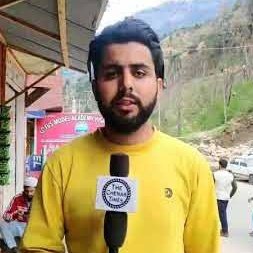
Anzer Ayoob is the Founder and Chief Editor to The Chenab Times