


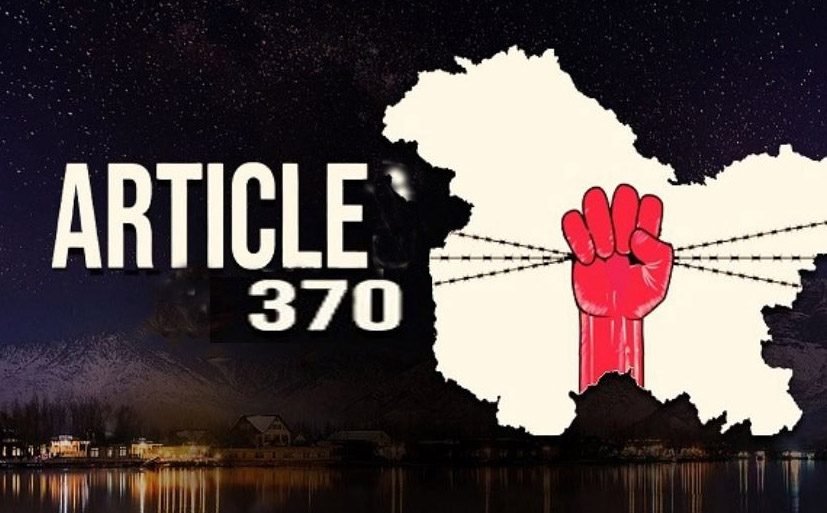
In the aftermath of the Supreme Court’s endorsement of the abrogation of Article 370 in August 2019, the political landscape in Jammu and Kashmir continues to evolve. The recent meeting of leaders from various political parties, including the Shiv Sena (UBT), National Panthers Party (NPP), and Dogra Swabhiman Sangathan Party (DSSP), marks a significant development in the region’s pursuit of political autonomy.
The focal point of their demand lies in the call for the immediate restoration of statehood, assembly elections, and the extension of Article 371 to Jammu and Kashmir. This begs the question: Is Article 371 a better replacement for Article 370?
Article 370, which granted special autonomy to Jammu and Kashmir, was a contentious provision that had long been a bone of contention. Its abrogation in 2019 as reported by The Chenab Times was met with both support and opposition, leading to a complex and multifaceted situation. Now, as political leaders advocate for the incorporation of Article 371, a nuanced evaluation is essential.
Article 371, unlike its predecessor, is not a one-size-fits-all provision. It allows for specific provisions tailored to the unique needs and circumstances of different regions. In this context, the demand for the extension of Article 371 to Jammu and Kashmir indicates a desire for a more localized and region-specific approach to governance.
However, the effectiveness of Article 371 as a replacement for Article 370 hinges on how well it accommodates the aspirations and concerns of the diverse communities within the region. The call for the deportation of illegally settled immigrants, the return and settlement of Kashmiri migrant pandits, and the regularisation of daily wagers underscores the pressing socio-political challenges that need to be addressed.
While Article 371 might offer a framework for regional autonomy, its success ultimately depends on a careful balance between regional empowerment and national integration. Striking this delicate equilibrium requires a comprehensive understanding of the historical, cultural, and social intricacies of Jammu and Kashmir.
Furthermore, any constitutional amendments or provisions must be accompanied by a commitment to inclusive governance, fostering dialogue among diverse communities, and addressing the longstanding grievances that have fueled tensions in the region.
The demand for the extension of Article 371 to Jammu and Kashmir raises important questions about the future of governance in the region. The path forward must involve a collaborative effort between the central government and regional leaders to create a framework that respects the unique identity of Jammu and Kashmir while ensuring the integration of the region within the broader national fabric. Only through a thoughtful and inclusive approach can the quest for regional autonomy find a sustainable and equitable resolution.


Anzer Ayoob is the Founder and Chief Editor to The Chenab Times