


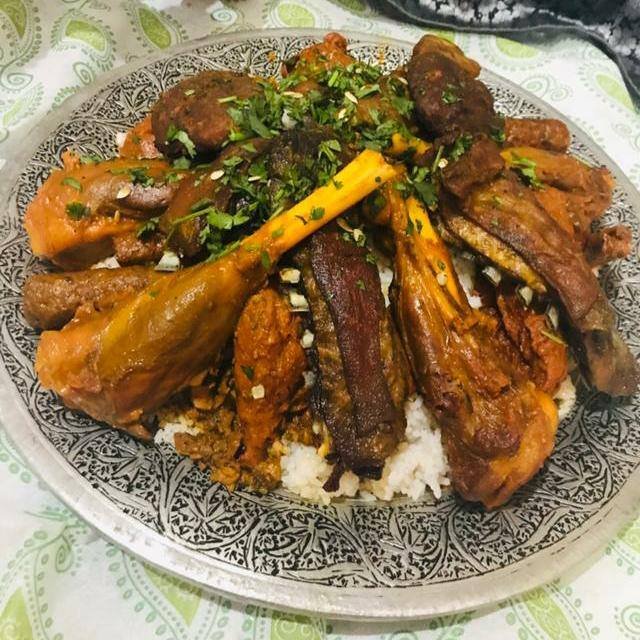
Wazwan embodies the soul of Kashmiri culture, celebrating its history, art of hospitality, and unique culinary traditions. This elaborate feast features a plethora of dishes, including Kababs, Tabakh Maaz, fried chicken, Rogan Josh, Marcwangan korma, Rista, Shami Kabab, Daniwal korma, Maaz, aab gosh, the iconic Goshtaba and more. Alongside these meat-based dishes, vegetables and fruits complete the spread.
A Historical Culinary Tradition
Wazwan is inextricably linked to Kashmir’s cultural history. Whenever special guests or relatives arrive, Wazwan takes center stage as a quintessential expression of Kashmiri cuisine and culture. Traditionally served on large platters called “treami,” it brings together four people to share a communal dining experience. Skilled cooks known as “wazaas” meticulously prepare the Wazwan, often forming teams of 10-15 individuals to cater to grand occasions.
Tracing Its Roots
The roots of Wazwan stretch back to the cuisines of Iran, Persia, and Central Asia. Its origin story takes us back to the 14th century, when Timur’s conquest of India led to the migration of nearly 1,700 talented cooks to Kashmir. These chefs, the ancestors of today’s wazaas, played a pivotal role in shaping the distinctive flavors and techniques that characterize Kashmiri Wazwan.
The Art of Wazwan Preparation
Wazwan showcases a diverse array of cooking styles, shapes, and sizes for its meat dishes. The wazaas’ expertise shines through in their ability to transform meat into culinary masterpieces. Popularized by Iranian and Persian influences, Wazwan is traditionally prepared during wedding seasons, engagements, and other special occasions. People book wazaas well in advance, ensuring a seamless and delicious experience for their guests.
A Grand Feast
Wedding celebrations often see Wazwan prepared for hundreds of guests, catering to those who can afford this elaborate spread. Traditionally, the process begins with the slaughtering of sheep, invoking the name of Allah. The meat is then boiled, beaten, and grilled using diverse techniques. Tabakh Maaz is deep-fried in oil over coal, while Goshtaba, large meatballs, are simmered in Zaamdoud. Each dish boasts its own unique blend of spices, including cardamom, saffron, fennel, and elaichi, carefully chosen by the wazaas to create an explosion of flavor.
The Ritual of Serving
When the feast is ready, it is served at specific times to ensure maximum enjoyment. Family members lay down the Dastarkhaw, a traditional tablecloth, and present the guests with a large “treaim” platter. This platter features a centerpiece of chicken, kababs, Tabakh Maaz, and natihin, all artfully arranged on a bed of rice. Additionally, baskets containing disposable items, water, coke, curd, handkerchiefs, and chutney plates with walnut chutney, salad, and anchar are provided.
A Culinary Journey: Seven Signature Dishes
While Wazwan can encompass up to 36 dishes, some families opt for a smaller selection of seven. Here’s a closer look at some of the most iconic dishes:
- Tabakh Maaz: Tender ribs of sheep are boiled for hours before being deep-fried in oil over coal, resulting in a crispy and flavorful dish.
- Kabab: The wazaas skillfully beat meat and shape it into sticks before grilling them to perfection.
- Rogan Josh: This iconic dish features tender meat pieces simmered in a flavorful curry. The process starts with simple water-cooked meat, to which various spices are added to create its distinct taste.
- Riste: Similar to kababs, Riste involves beaten meat, but it is shaped into rounds and set in warm water before being simmered with spices.
- Aab Gosh: Cow’s milk forms the base of this fragrant dish, which features meat cooked with cardamom, elaichi, brown elaichi, and salt.
- Nate-Yakhni: This product is made by boiling 5–6 cm meat chunks for 20 minutes, separating them from the broth. Yakhni is created by heating and stirring curd until boiling, then mixing it with salt, spices, condiments, ghee, and meat broth. Boiling continues until the desired consistency (yakhni) is achieved. For nate, precooked meat chunks are added to yakhni and boiled further to make nate-yakhni.
- Goshtaba: Round meatballs made from beaten meat are simmered in curd with basic spices, creating a melt-in-mouth experience.
Communal Dining and Cultural Significance
Wazwan is a communal affair in Kashmir, with four people sharing a single treaim platter. This tradition fosters a sense of caring, sharing, and unity among participants. Guests sit in straight lines within tents, creating a celebratory atmosphere that strengthens community bonds. Each group is served individually by someone bringing the treaim to them, and after finishing,

Nida Javaid is an artist based in Srinagar who primarily works with The Chenab Times. He is known on Instagram as Nida Art Gallery.