


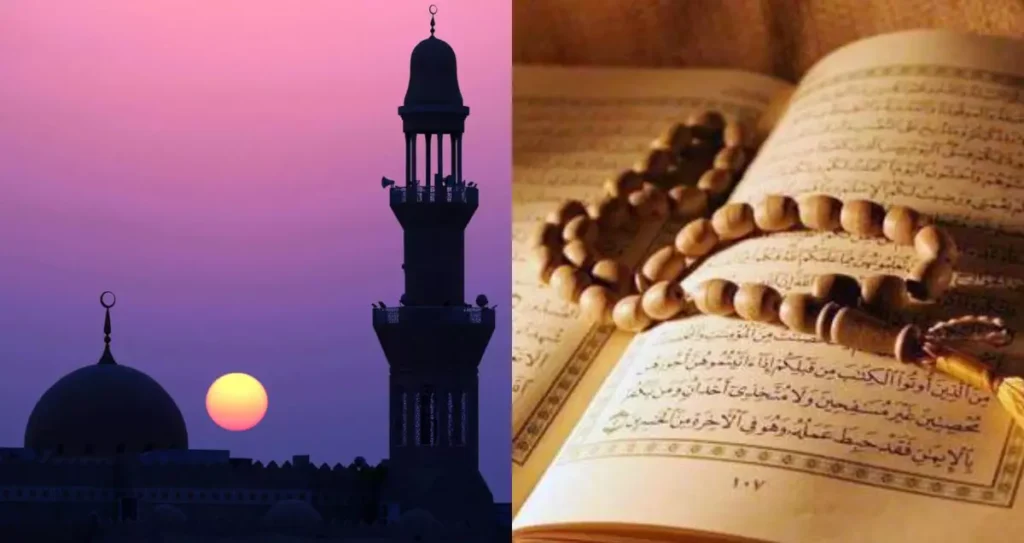
Muslims around the world began observing the holy month of Ramadan on Monday and Tuesday with the first ten days, known as the first Ashra, traditionally focused on the concept of Allah’s (God’s) mercy and forgiveness.
Followers of Islam abstain from food, drink, and other sensual activities from dawn to dusk during Ramadan, which is considered the holiest month in the Islamic calendar. It commemorates the revelation of the Quran to the Prophet Muhammad PBUH.
The first Ashra is seen as a time for increased devotion, with many Muslims devoting themselves to prayer, recitation of the Quran, and acts of charity. Mosques see a surge in attendance for Taraweeh prayers, special night prayers held only during Ramadan.
Focus on Forgiveness and Compassion
“The first Ashra is a time for Muslims to reflect on Allah’s الرحمة (ar-Rahmah – the mercy) and مغفرة (maghfirah – forgiveness),” said Imam Ubaid ul Ayaz Bin Abdul Rashid, a religious scholar in J&K. “It’s a chance to ask for forgiveness for our past sins and to approach the remainder of Ramadan with a pure heart.”
In Indonesia, the world’s most populous Muslim nation, many communities organize special programs and lectures throughout the first Ashra, emphasizing themes of compassion and helping those in need.
Community and Introspection
Fasting during Ramadan is not just about abstaining from food and drink, but also about self-restraint, empathy for the less fortunate, and strengthening community bonds. The first Ashra sets the tone for this spiritual journey.
“Ramadan is a time for renewal and reflection,” said Mohd Sarwar, a student in Kashmir. “The first Ashra helps us focus on becoming better Muslims and better people.”
Ramadan is split into three Ashras, and each lasts around 10 days. In each of these 10-day blocks, there are different rewards. The first Ashra is called the days of mercy. In these 10 days, Muslims should seek Allah’s (SWT) mercy and praise Him.
The holy month culminates with the Eid al-Fitr celebration, marking the end of the fast.

Haseena Ayoob is a regular contributor of The Chenab Times.