


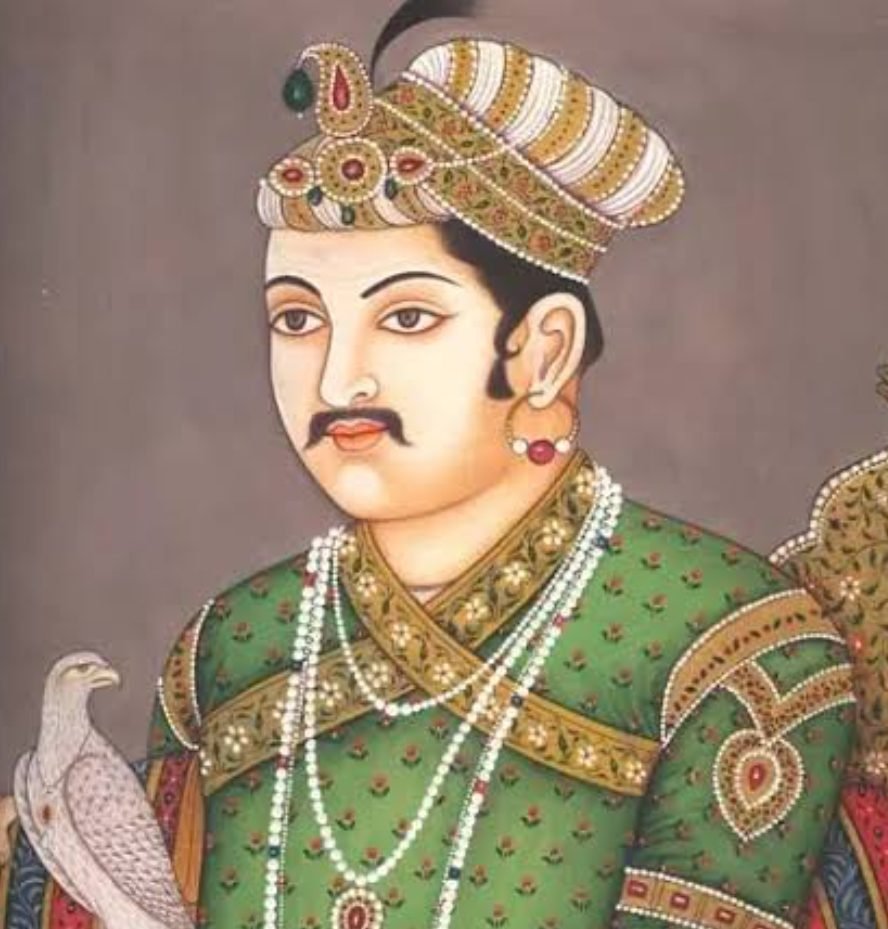
In a move seen as fostering greater religious harmony within his vast empire, Mughal Emperor Akbar abolished the mandatory Jizya tax for non-Muslim subjects on this day in 1564. The Jizya, a poll tax levied on those following faiths outside Islam, was traditionally viewed as a sign of submission to Muslim rule and an exemption from military service.
Akbar’s decision, however, reflected his evolving philosophy of governance. He believed in creating a unified empire that transcended religious differences. The abolition of the Jizya signaled his commitment to the principle of dhimmitude, a concept in Islamic law that offers protection and autonomy to religious minorities.
While some within the Mughal court may have viewed the Jizya as a source of revenue, Akbar saw it as a potential barrier to fostering a sense of shared identity within his diverse realm. His reforms aimed to create a more inclusive society, where loyalty was based on citizenship rather than religious affiliation.
Akbar’s reforms laid the groundwork for a period of relative religious tolerance within the Mughal Empire. His legacy continues to be a source of inspiration for those who advocate for peaceful coexistence between different faiths.


The Chenab Times News Desk