


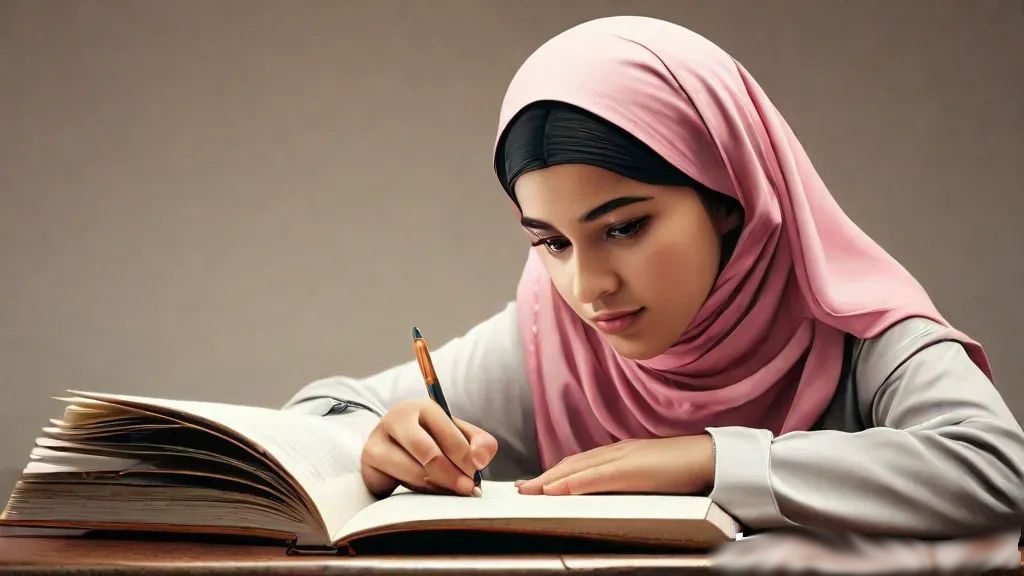
In the quiet corners of rural areas, a silent struggle for women’s education persists. While education is widely seen as a symbol of progress and empowerment, many girls in rural communities face significant barriers to accessing it. The echoes of inequality resonate in these regions, where education is not just a distant dream but a fundamental right denied. This article on The Chenab Times explores the obstacles that hinder girls’ education in rural areas, shedding light on the challenges that need to be overcome for a more equitable and promising future.
Limited Opportunities
The status of the girl child in rural areas has been a subject of much discussion, controversy, and debate. From a young age, girls are often seen as burdens rather than blessings, expected to bring large dowries and eventually move into their husband’s homes. This perception significantly limits their opportunities for education and personal development.
Furthermore, traditional mindsets often view women’s primary role as caretakers, child rearers, and homemakers. This perspective devalues the importance of education for girls and reinforces gender stereotypes.
Unequal Focus on Education
Parenthood also presents a barrier for girls in rural areas. Parents may believe that investing in a girl’s education is pointless since they will eventually marry. This unequal focus on boys’ education hinders girls’ personal development and limits their future opportunities.
Shifting Mindsets
Many girls in rural areas hold traditional beliefs and may not see the importance of self-improvement through education. They might view marriage at a young age as the only path to independence. This perception leads them to relinquish their right to education. However, girls also have a role to play in advocating for their education. A lack of enthusiasm for learning can lead parents to prioritize marriage for their daughters.
Personal Observation
In my own community, there’s a noticeable lack of girls pursuing education beyond high school. Many marry soon after, limiting their life experiences and potential. This mindset isn’t just held by parents; the girls themselves often don’t see the value in education. However, recent achievements by local women like Huma Anjum Wani Mam and Ifra Anjum Wani Mam, who qualified for the JKAS exams, have sparked some positive changes. These examples highlight the need for a shift in both girls’ and societal attitudes towards education.
Islam and Education
Religion is often misrepresented as a barrier to girls’ education. However, these claims often stem from a lack of understanding. Islam does not explicitly prohibit girls’ education. While there are guidelines for modesty and personal safety, Islam emphasizes the importance of knowledge and education for both men and women. The Prophet Muhammad (peace be upon him) emphasized seeking knowledge as a fundamental duty for all Muslims.
Here are some key Islamic principles that support girls’ education:
- Seeking knowledge is obligatory for all Muslims: This principle is found in the Quran, in Surah Al-Taubah, verse 122: “And whoever among you seeks knowledge, Allah will increase him in knowledge.” This verse applies to both men and women, highlighting the importance of education in Islam.
- Knowledge is a path to Allah: Education is seen as a way to understand God’s creation and fulfill one’s purpose in life. A Hadith narrated by Ibn Majah 225 states: “Whoever travels on a path in search of knowledge, Allah eases for him the path to Paradise.”
- Equal treatment: The Quran promotes equal opportunities for men and women in all aspects of life, including education. Surah An-Nisa (4:32) states: “And do not wish for that by which Allah has made some of you exceed others. For men is a share of what they have earned, and for women is a share of what they have earned.” This verse emphasizes fairness in seeking knowledge and achievement.
Islam encourages the education of girls and women as a means of empowerment, personal growth, and fulfilling their roles within society.
Addressing Misconceptions
Some argue that Islam restricts women’s rights, as exemplified by the case of Wardah Khan, who secured UPSC rank 18 and was questioned about the shortcomings of her religion regarding women’s rights. However, social stigmas and cultural practices, not religion itself, are often the root cause of these limitations. Islam emphasizes acquiring knowledge as a duty for all individuals, regardless of gender. It’s crucial to challenge the misconception that Islam opposes female education.
Conclusion
We must strive to provide girls with the highest level of education possible. Educated women play a pivotal role in nurturing families and shaping future generations, ultimately contributing to a stronger society.


Salman Wani is a contributor at The Chenab Times. He is currently pursuing a Master’s degree in Political Science at Jammu University.