


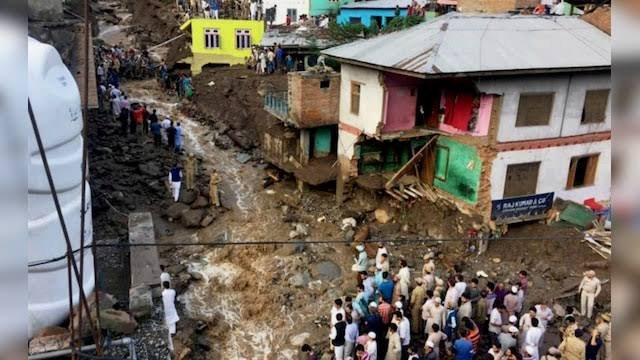
The sun bore down relentlessly on Thathri, a modest town nestled in the Doda district of Chenab Valley in Jammu and Kashmir. It was a sweltering day, the temperature soaring to an oppressive 36°C. I was returning home from the market, my clothes clinging uncomfortably to my skin, when I encountered Saleem.
“You’re the media person, right?” Saleem’s voice was urgent, his face etched with worry.
“Yes,” I replied, recognizing the young man who approached me.
“Write down my name and full address,” he insisted, thrusting a piece of paper into my hand.
Puzzled, I asked, “Why?”
His response was chilling. “Write it down because if I suddenly die somewhere, make sure my body reaches my home.”
The weight of his words hung heavy in the air. “Why are you saying this?” I pressed, trying to understand his fear.
“A few days ago, there was a flood here. Overnight, the whole landscape changed. What guarantee do we have of life when we might get buried in this debris at any moment?” His voice trembled as he recounted the events that had shaken his world.
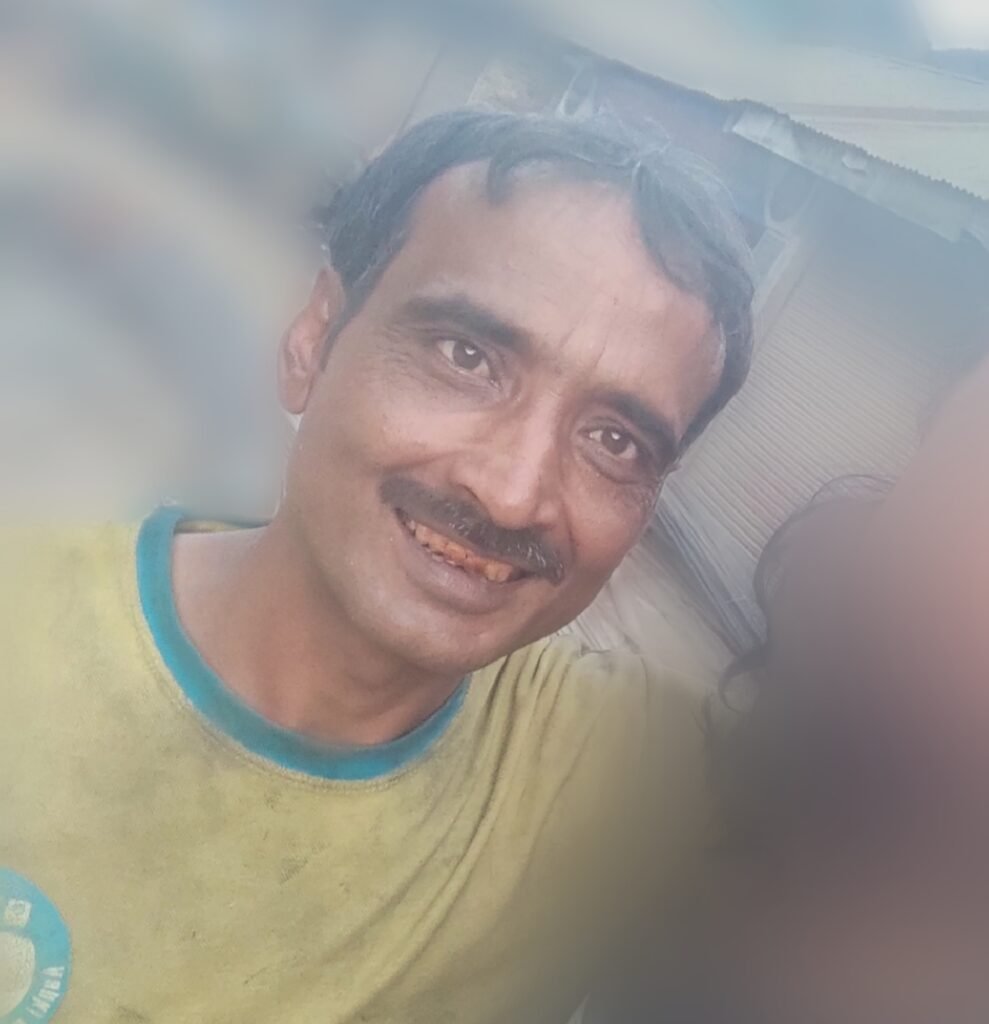
Saleem, a 28-year-old automobile mechanic from Shahabaj village in Aonla Tehsil, Bareilly district of Uttar Pradesh, had every reason to be frightened. His village fell under the jurisdiction of the Saroli Police Station, but it was in Thathri town where he earned his living. His workshop, located near Eid Gah Thathri, was a place of both livelihood and lurking peril.

On June 28th of this year, a catastrophic cloudburst had descended upon the stream near Eid Gah. In a matter of moments, the national highway 244 was blocked, and several link roads of Thathri were rendered impassable. Saleem’s voice wavered as he recounted the horror that unfolded that fateful morning, around 3 am. Flash floods, triggered by the cloudburst, had unleashed a torrent of mudslides that swept through the market area, invading homes and swallowing parked vehicles in a wave of destruction.

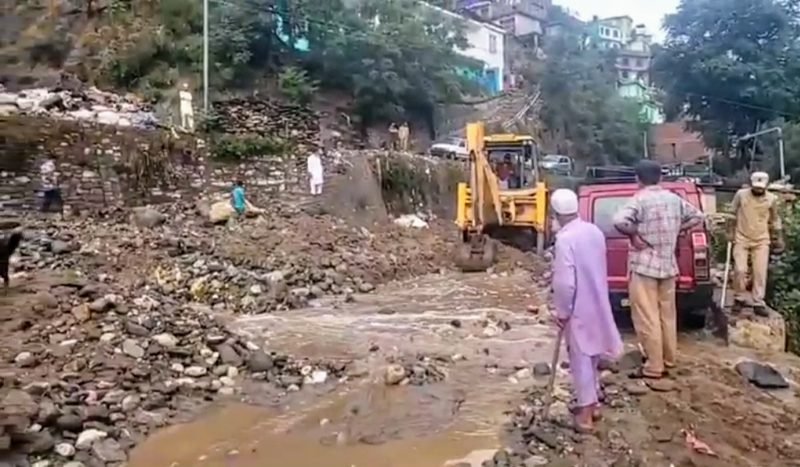
Though no lives were lost that day, the memory of the devastation lingered. Saleem’s fear was palpable, his belief that I, a mediaperson and NGO volunteer, would ensure his body reached his family if the worst were to happen, weighed heavily on my conscience. He had seen the fragility of life, the capricious nature of fate, and it haunted him.
I offered him words of comfort, “May Allah give you a long life. Don’t worry.” Yet, I knew my reassurances were but a thin veil against the profound dread he felt.
The story of Saleem is a stark reminder of the terror that nature can unleash without warning. Just two years prior, on July 9, 2022, the same stream had witnessed a similar cloudburst. And further up the town, another stream had suffered a catastrophic cloudburst on July 20, 2017, causing significant damage in Thathri town. A dozen structures near the Jamia Masjid, including a private school, were washed away. Six lives were lost, and several others were left injured, their futures forever altered by the fury of the floodwaters.
As I left Saleem that day, his words echoed in my mind. The streets of Thathri, under the relentless summer sun, seemed to hold their breath, aware that at any moment, the tranquillity could shatter, and the nightmare could begin anew.

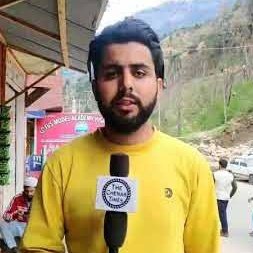
Anzer Ayoob is the Founder and Chief Editor to The Chenab Times