


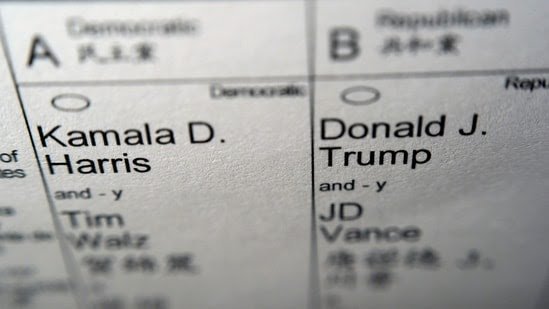
As the United States gears up for the 2024 presidential election, New York City’s ballot is making headlines not only for its political implications but also for its remarkable linguistic diversity. Amidst the cacophony of voices and languages that define the city, Bengali stands out as the only Indian language included on the ballot, challenging expectations and highlighting the community’s significant presence in the Big Apple.
In a city where over 200 languages are spoken, the inclusion of Bengali reflects the changing demographics of New York and the increasing importance of catering to its multicultural populace. Michael J. Ryan, Executive Director of the New York City Board of Elections, emphasized the city’s commitment to serving all residents. “Voting accessibility extends beyond symbolism,” Ryan stated, reinforcing the notion that every voter deserves the right to understand the electoral process in their native language.
Bengali’s presence on the ballot is particularly noteworthy given that Hindi, one of the most commonly spoken Indian languages, was not selected. Instead, Bengali was chosen, illustrating the unique demographics within New York City, which has a thriving Bengali community, especially in neighborhoods like Jackson Heights in Queens.
Alongside Bengali, the 2024 ballot will feature additional languages, including Chinese, Spanish, and Korean, showcasing New York’s multicultural fabric. This inclusive approach to voting materials not only enhances accessibility but also acknowledges the contributions of various communities to the city’s rich cultural mosaic.
As the election date approaches, New Yorkers are preparing to make their voices heard. The addition of Bengali to the ballot is expected to resonate with many voters. Local resident Subhshesh, a Times Square sales agent of Bengali descent, expressed his delight at the news. He remarked, “People like me know English, but many in our community feel more comfortable with their native language. This will definitely help at the polling station. I’m sure my father will appreciate seeing a Bengali ballot.” His sentiments echo a broader appreciation among Bengali speakers, many of whom may feel empowered by having access to voting materials in their language.
The decision to include Bengali is not merely a gesture of goodwill; it is rooted in legal requirements aimed at ensuring that minority communities have access to essential voting information. Following the 1965 Voting Rights Act, which mandates language assistance for minority groups, New York City has been obligated to provide voting materials in languages spoken by significant portions of its population.
Ryan noted, “The settlement required that an Asian Indian language be available where population density is high.” This legal framework led to negotiations that ultimately identified Bengali as the language to be included. The impact of this decision is profound, as it symbolizes a commitment to inclusivity and representation in the democratic process.
The inclusion of Bengali on the ballot is not entirely new; it first appeared in 2013, following a concerted effort to support South Asian communities in New York. The Bengali-speaking population has grown significantly in the past few decades, driven by immigration from both India and Bangladesh. According to census data, the number of Bengali speakers in the city has risen sharply, making it one of the largest immigrant language groups in New York.
Dr. Avinash Gupta, President of the Federation of Indian Associations, highlighted the importance of including Bengali in the electoral process, stating, “This helps the Indian community to go out and vote. That’s how our voices are heard.” Dr. Gupta’s remarks underscore the significance of representation in politics and the crucial role that language plays in facilitating civic engagement.
For many in the Bengali community, the presence of their language on the ballot represents a vital step toward greater participation in the electoral process. With each election cycle, community leaders emphasize the importance of voting as a means to influence local and national policies that affect their lives. Access to voting materials in Bengali not only empowers voters but also fosters a sense of belonging and recognition within the broader American political landscape.
Local organizations are already mobilizing efforts to educate Bengali-speaking voters about the election process and the issues at stake. Workshops, informational sessions, and community outreach initiatives are underway to ensure that voters are well-informed and prepared to make their choices on Election Day.
As the nation prepares to select its 47th president on November 5, 2024, the inclusion of Bengali on New York’s ballot serves as a powerful reminder of the importance of representation in democracy. It highlights the evolving nature of American society, where diverse voices contribute to the political dialogue.
Bengali speakers in New York are poised to make their impact felt, as they navigate the electoral landscape with greater confidence and clarity. This shift not only reflects changing demographics but also signals a growing recognition of the need for inclusivity in all aspects of civic life.
(Inputs from Reports)


The Chenab Times News Desk