


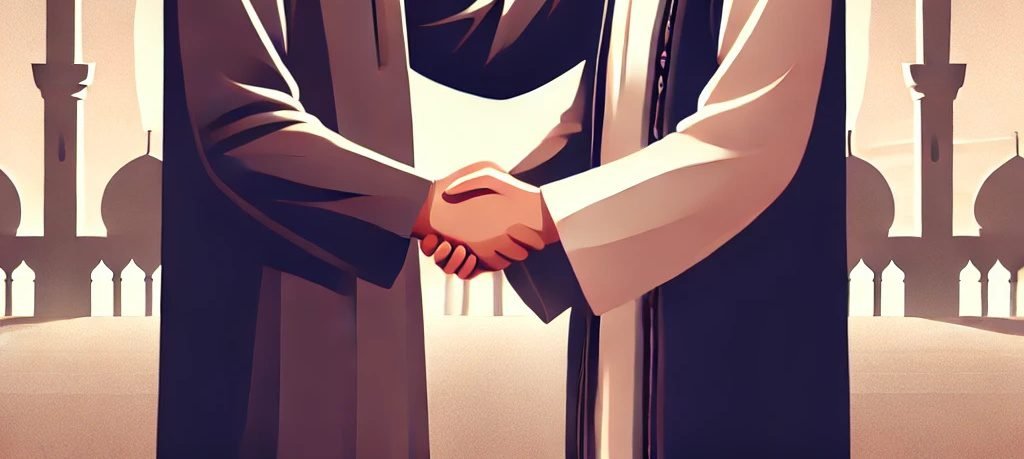
International Men’s Day is an opportunity to reflect on the invaluable contributions of men to families, communities, and society. Islam provides timeless examples of manhood and male relationships that emphasize strength, compassion, justice, and humility. The Qur’an and Hadith offer numerous stories that illustrate the importance of brotherhood and mutual support among men.
International Men’s Day (IMD) is not a festival or celebration that is recognized or permitted in Islam, as Muslims are instructed to adhere to the festivals and commemorations prescribed by the Shari’ah, such as Eid al-Fitr and Eid al-Adha. However, IMD serves as a global awareness day highlighting issues such as homelessness, suicide, abuse, and violence that many men face, and addressing these challenges aligns with Islam’s emphasis on justice, compassion, and brotherhood. Utilizing this opportunity to share examples from Islamic teachings—such as the bonds of friendship between the Prophet Muhammad (PBUH) and his companions, or the lessons of mutual support in the Qur’an—can deliver a positive message about how Islam values brotherhood and mutual care among men.
These examples serve as a guide for modern men striving to form meaningful bonds and contribute positively to society.
Brotherhood in Islam: A Model for Men
Islam places great emphasis on the value of brotherhood, fostering relationships based on trust, mutual respect, and spiritual growth. From the Prophet Muhammad’s (PBUH) close companions to the prophets of the Qur’an, the examples of male bonding in Islamic history are deeply inspiring.
1. The Prophet Muhammad (PBUH) and His Companions
Abu Bakr As-Siddiq (RA): Loyalty and Trust
Abu Bakr (RA) was the closest companion of the Prophet Muhammad (PBUH), a bond forged through unwavering trust and loyalty. When the Prophet (PBUH) embarked on the Hijrah (migration) from Makkah to Madinah, Abu Bakr (RA) accompanied him, risking his life for the safety of his beloved friend. This relationship teaches that true friendship requires sacrifice and steadfastness, especially in times of adversity.
The Ansar and Muhajirun: Brotherhood Beyond Blood
The Prophet (PBUH) established a remarkable example of brotherhood when he paired the emigrants (Muhajirun) from Makkah with the helpers (Ansar) of Madinah. The Ansar shared their homes, wealth, and resources with the Muhajirun, demonstrating that Islamic brotherhood transcends blood ties, nationality, and material differences. This relationship encourages men to support each other selflessly and foster unity in their communities.
Umar ibn Al-Khattab (RA): Responsibility and Justice
Umar (RA), the second caliph, exemplified how men should take responsibility for their communities. Known for his strong sense of justice, he would personally ensure that the needs of the people were met. His nightly patrols to check on the welfare of the vulnerable remind us that leadership and responsibility are integral aspects of manhood.
2. Maula Ali ibn Abi Talib (RA): The Embodiment of Loyalty and Wisdom
Ali ibn Abi Talib (RA), the cousin and son-in-law of the Prophet Muhammad (PBUH), is a shining example of courage, wisdom, and devotion.
Sacrificial Loyalty
When the Quraysh plotted to assassinate the Prophet (PBUH), Ali (RA) volunteered to sleep in the Prophet’s bed to protect him, knowing the risk to his life. This act of selflessness demonstrates that true brotherhood involves prioritizing others’ safety over personal well-being.
Wisdom and Guidance
Ali (RA) was known for his profound knowledge and wisdom. As a close advisor to the Prophet (PBUH), he shared insights that strengthened the Muslim community. His intellectual contributions remind us that mutual guidance and learning are essential elements of male friendships.
Balance of Strength and Compassion
Ali (RA) was a formidable warrior on the battlefield and a tender husband and father at home. His balance of strength and gentleness exemplifies the ideal qualities of a man in Islam. His devotion to his family teaches us that nurturing relationships with loved ones is as important as courage and leadership.
3. Prophet Musa (AS) and Harun (AS): A Bond of Trust and Cooperation
The Qur’an highlights the relationship between Prophet Musa (AS) and his brother Harun (AS) as a model of collaboration and mutual reliance. When Musa (AS) was given the mission to confront Pharaoh, he prayed for Harun (AS) to assist him:
“Appoint for me a helper from my family—Harun, my brother. Strengthen me through him and let him share my task” (Qur’an 20:29-32).
This partnership teaches us that true brotherhood involves supporting one another’s missions and sharing responsibilities in the face of challenges.
Lessons from Islamic Brotherhood for Modern Men
The examples of male bonding in Islamic history offer timeless lessons for men today:
- Sacrifice and Loyalty: Like Abu Bakr (RA) and Ali (RA), men should be willing to make sacrifices for their loved ones and friends, prioritizing trust and loyalty in their relationships.
- Mutual Support: The Ansar’s generosity toward the Muhajirun teaches us to extend a helping hand to others, regardless of differences.
- Balance of Strength and Compassion: Ali’s (RA) life exemplifies how men can balance courage with tenderness, serving as protectors and nurturers simultaneously.
- Collaborative Leadership: The partnership of Musa (AS) and Harun (AS) highlights the importance of teamwork and trust in achieving shared goals.
On International Men’s Day, we celebrate the contributions of men to families, communities, and society at large. Islamic teachings and examples of male relationships—from the Prophet Muhammad’s (PBUH) camaraderie with his companions to Ali’s (RA) wisdom and Musa’s (AS) collaboration with Harun (AS)—offer profound guidance on fostering brotherhood, mutual respect, and support.
Let us take inspiration from these examples to build stronger relationships, embody the ideals of responsibility and compassion, and contribute to a more united and harmonious society. True manhood lies not only in strength but in the ability to uplift and care for those around us.


The Chenab Times News Desk