


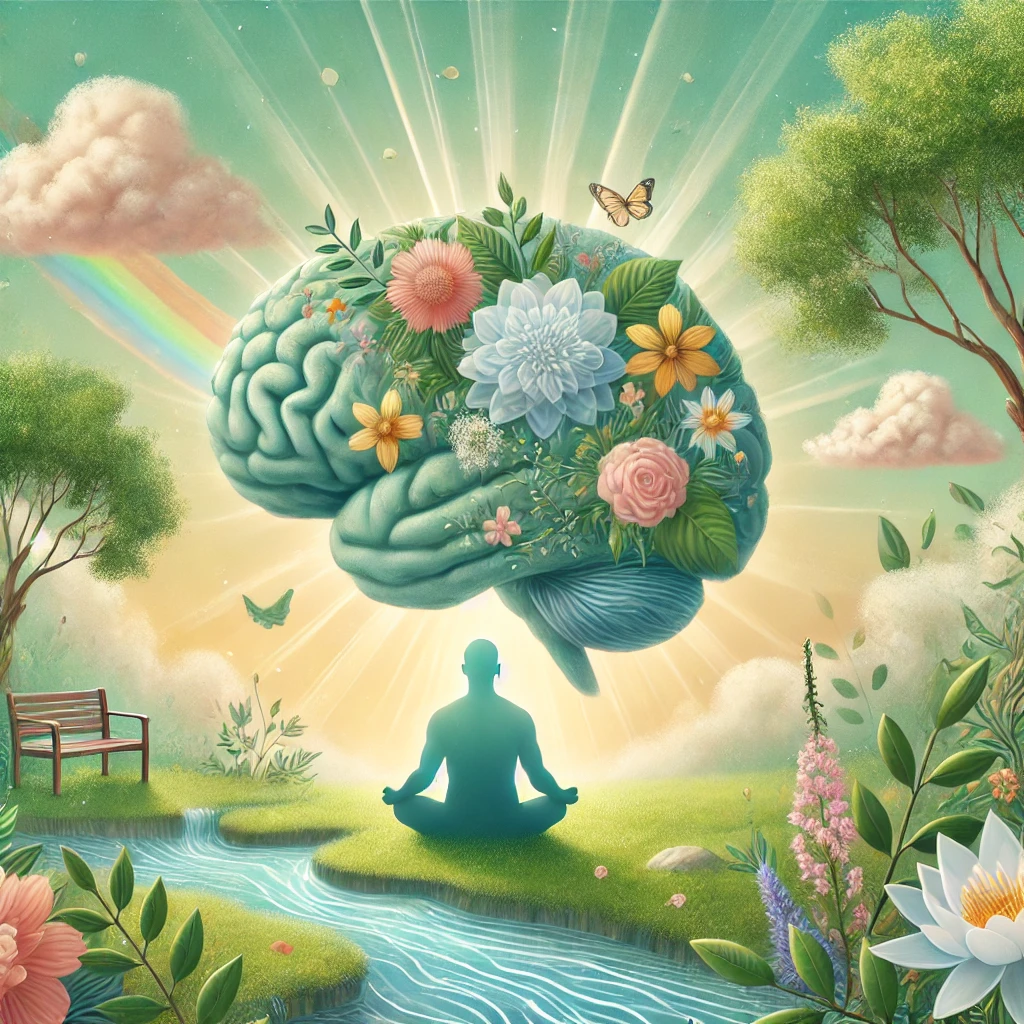
“Your mind is a garden, cultivate it with care.”
God has given various strengths to human beings, as He has to animals and other creations. Humans, despite having moral, social, and psychological sense, can understand their ethics, social manners, and mental health. In recent times, one of these cited senses has been affected gradually because of overpressure, anxiety, bipolar disorder, etc. While human beings have five senses that contribute to different sensations and activities, each of them is interlinked with a hemispherical structure covered by a cranial bone known as the brain. If the brain stops functioning properly, many of the body’s functions may stop or become crippled. So, we should organize chores to avoid mental chaos. However, in the era of modernity—where social media has jammed the human brain with its versatile content and scenarios—overthinking and several brain disorders have become prevalent. Similarly, there are many aspects leading to mental chaos and the gradual degradation of mental health. Emotional well-being and mental health, however, are two main aspects of healthy living. They make a person happier, physically healthier, and mentally and emotionally intelligent.
Depression: A Threat
There are various mental disorders that many youngsters and teenagers are suffering from, but one such major disorder is depression. Depression is a clinical term used to describe a severe mood disorder that significantly impacts a person’s behavior, thoughts, and ability to manage daily activities. Some common symptoms of depression include mood disturbances, disrupted sleep cycles, and persistent negative feelings. In recent years, depression has become increasingly prevalent among youngsters, often triggered by academic pressure, career struggles, or life challenges. It stems from various factors, including life hardships, relationship conflicts, and negative peer pressure.
Technological Approach
In the era of modern technology and social media, parents are cut off from their children and vice versa, leading to a lack of affection towards parents and creating a gap between them. The use of social media has made it possible for everyone to distance themselves from their relatives, resulting in a loss of social interest. Social media has become more important for many than family discussions, especially among youngsters. A majority of students suffer from academic pressure to excel in their careers. Accidentally, if they fail to meet expectations, they suffer from pressure and other mental disorders.
Cardiovascular Distress and Anxiety
Mental pressure also leads to various cardiovascular diseases and chronic stress, which can result in hypertension—an increase in blood pressure (BP)—and heart strokes due to the rise in levels of adrenaline and other stress hormones. It is also proven to disturb sleep cycles, mood, and energy, leading to fatigue.
Anxiety is another clinical term related to the natural response to stress, marked by feelings of worry, nervousness, or fear. Gradually, individuals experiencing anxiety may also face panic in stressful situations. Anxiety is characterized by different patterns, such as Generalized Anxiety Disorder (GAD), Social Anxiety Disorder (SAD), phobias, and panic disorder. These are situations where individuals feel worried about various things like health, work, and social interactions, often accompanied by societal judgment. All of these classifications relate to fear and stress, linked to societal pressures and the fear of being judged or embarrassed by others.
In addition to stress, anxiety, and depression, Bipolar Disorder is another major mental health disorder. Its classifications can severely impair functioning and affect behavior. While individuals engaged in demanding activities may experience mood fluctuations, those with Bipolar Disorder face extreme and persistent mood shifts, affecting the brain’s regulation of mood and energy, leading to significant challenges in daily life.
Measures to Navigate Mental Disorders
Routine work should be organized, as it helps individuals set up their chores in an arranged manner and provides a sense of normalcy. Small steps should be taken to create a sense of accomplishment. A healthy lifestyle includes a balanced diet, adequate sleep, and routine exercise, which are essential for everyone suffering from mental disorders. A balanced diet nourishes and supports brain health, while adequate sleep rejuvenates the body and mind.
Professional counseling, such as Cognitive Behavioral Therapy (CBT) and Interpersonal Therapy (IPT), are common forms of therapy that help censor negative thought patterns and improve interpersonal communication, respectively. There are also medical options, such as antidepressants, but these should only be taken under a doctor’s prescription.
In the era of modernity, we have become smartphone preachers, forgetting the purpose of life. Religion provides a framework and direction for living a principled life, leading to an easier and more meaningful existence.
Managing mental disorders and stabilizing one’s health are two key points to remember, as emotions and mental health play a vital role in leading a good and successful life. All these abilities are God-gifted, enabling us to understand the feelings of our parents, friends, and life partners. We should take care of the entire system that manages our emotions (i.e., the brain) with a comprehensive approach. Organizing chores with proper management can help avoid mental anxiety and depression. If the problem is beyond our control, we should consult a doctor for medication and counseling.
There is a need to connect ourselves with God and live life with purpose to avoid irrelevant chaos. Significantly, we should follow a regular sleep cycle to avoid mental pressure and exhaustion and take time to enjoy nature. Nature has the potential to cure exhaustion, but we need to concentrate on it.
(Ayaan Saroori is a student and freelance writer)


Ayaan Saroori, a dynamic school student and celebrated author, contributes thought-provoking pieces to The Chenab Times. Recognized for his impactful book “Drug: A Risk For Teens,” Ayaan is a passionate advocate for addressing youth issues. His insightful perspectives and dedication have earned him acclaim at various events, making him a promising voice in the realm of teenage literature.