


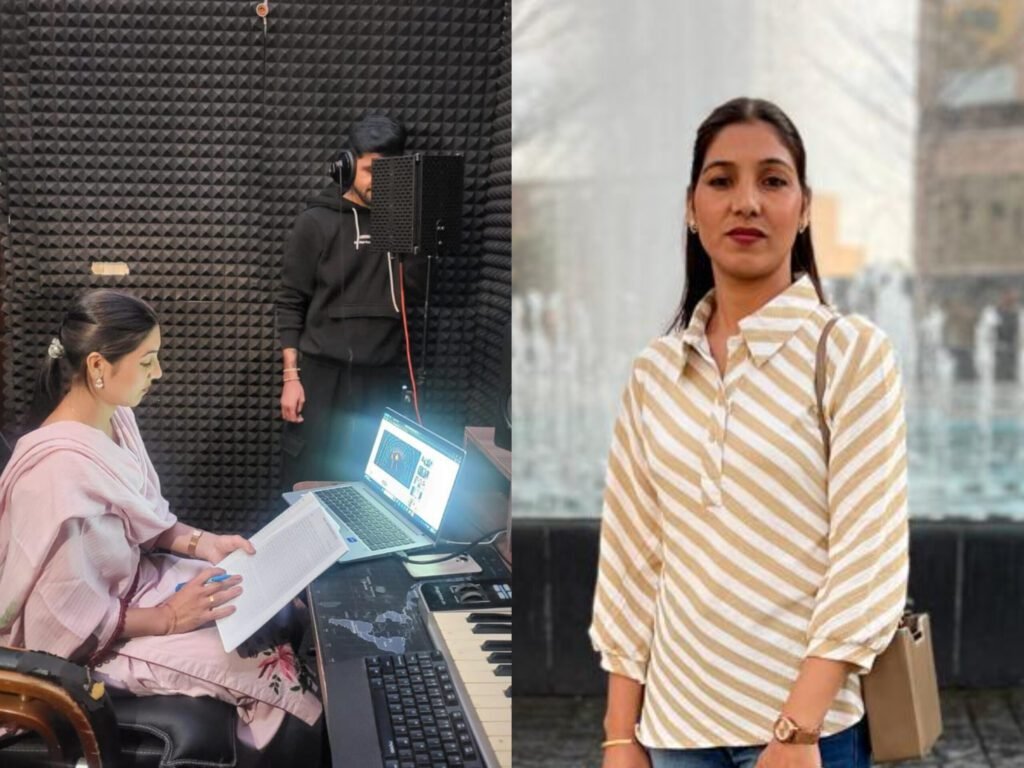
Moga, July 3 —Amandeep Kaur Brar, known in musical circles as Amy Brar, is steadily etching her name in the annals of Punjabi music history. A prolific composer and lyricist, Brar’s journey from the small village of Bhangchari in Punjab to becoming a sought-after name in the music industry is a reflection of both talent and tenacity.
Born on June 1, 1990, Amy’s early life in Bhangchari and later in VPO Tharaj, Moga, was steeped in musical influences. It was in these rural surrounds that she nurtured her craft—penning verses and setting melodies that would one day resonate far beyond the fields of Punjab.
Brar’s distinctive writing style and melodic sensibility have made her a favourite among many contemporary Punjabi artists. Her collaborations with leading names like Dimple Raja, Virasat Sandhu, and Ammy Prav have produced tracks that not only climb music charts but also strike a chord with listeners across generations.

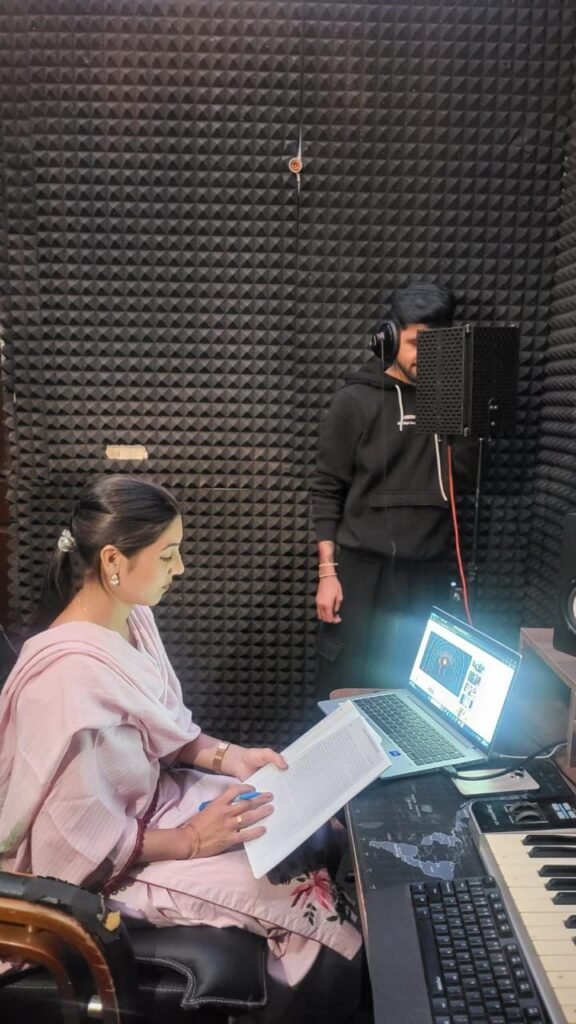
Among her most prominent works is The Fake Love—a song performed by Shehbaaz and featuring Ammy Prav and Kumar Jatin, which received critical and commercial acclaim for its emotive lyrics and modern composition. Equally compelling is Khoon Peeni, performed by H Kay and Mehak Sharma, which explores deeper themes through a raw lyrical lens. Another standout is Demand, the energetic collaboration between Dimple Raja and Kumar Jatin, marked by Amy’s characteristic lyrical punch.
While many songwriters often remain behind the scenes, Brar’s consistent output and ability to adapt to evolving musical styles have brought her well-deserved recognition. Her songs reflect not just an understanding of rhythm and rhyme, but also an emotional intelligence that resonates with young listeners and traditional audiences alike.
“Amy has a gift,” says a fellow artist. “She doesn’t just write songs—she tells stories that live in the music.”

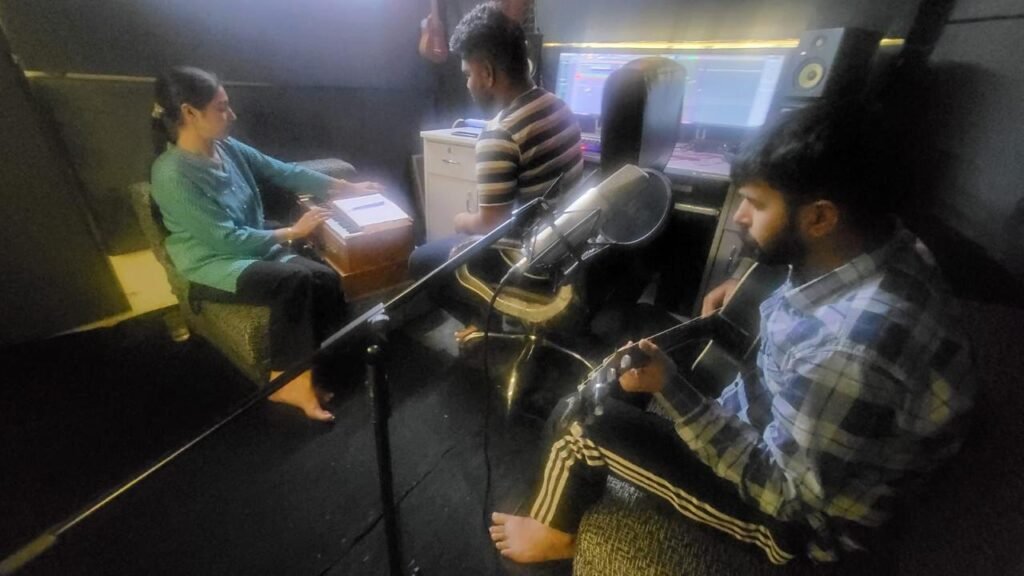
As the Punjabi music industry continues to expand on a global scale, artists like Amy Brar are leading the charge. Her work stands as a bridge between traditional Punjabi ethos and contemporary sonic aesthetics, positioning her as both a cultural custodian and an innovator.
Looking ahead, Brar remains committed to her craft. With new collaborations in the pipeline and hints of solo projects on the horizon, the maestro behind the melodies is far from done. Her fans, both within Punjab and among the growing diaspora, await her next composition with keen anticipation.
In an industry where trends change swiftly, Amy Brar’s voice—through her words and melodies—continues to offer something timeless.

