



Thathri: The Chenab Valley is a valley between the Jammu and Kashmir mountains consisting of areas such as Ramban, Doda, Kishtwar, and Thathri. Chenabis is the name given to the inhabitants of Chenab Valley. The ethnic groups present in Chenab Valley include Kashmiri, Gojri, Bhadarwahi, Sarazi, Kishtwari, and Padari. Although the people of the Chenab Valley speak different languages, they all share a common cultural identity—what we now refer to as the “Chenabi identity.”
Chenabi identity is not where we are from, it’s how we carry our stories, even when the world isn’t paying attention. It’s not something we opt for; it’s something that molds us, sometimes quietly. As soon as we are born, we’re immersed in language, rituals, food, festivals, and values.
But let’s be real—not all cultural identities are visible, recognized, or even celebrated. Some cultures proudly exist in the limelight, chronicled in books and discussed in arguments. Others, such as mine, humbly exist in the background—integrated into lives but never noticed outside the region. It’s not that they are less worthy; it’s that they are invisible.
One such location is the Chenab Valley. It doesn’t become a national news flash or the focus of glamorous travel commercials. But to us, the people who originated from this valley, its existence is full, significant, and intensely personal. Chenab is more than a place—it’s an emotion. It’s a collection of customs, words, and memories handed down from grandparents to their grandchildren and transmitted through the routines of daily life that outsiders might never catch. I was brought up hearing old folk tunes that my grandmother would hum when she cooked food. I didn’t know what all the words meant, but their rhythm lingered in me. They held a sort of quality that can’t be found in books. We chatted in a blend of Pahari, Gojri, Kashmiri, and Urdu—none of which ever “felt official.” They simply felt like home. Yet beyond my area, no one even knew what “Chenabi” was.
India is known for its diversity, but that is usually unequal praise. Places like Chenab are underrepresented—not because they don’t fit in, but because more overpowering identities occupy all the space.
Chenab’s cultural identity is quiet. It’s not flashy or dramatic. It’s quiet. But in that quietness is beauty. We mark festivals differently. Our dialect alters from village to village. Our traditions are woven into daily life—in greeting elders, storytelling, cooking food for visitors. Among the most sincere traditions is “Yatre,” which is celebrated around Raksha Bandhan. It’s not just a festival—it’s an otherworldly and social event where men and women dance in a circle with jubilation and vitality. Families unite, relatives travel from distant lands, and relationships are rekindled over food, music, and joint prayers. The manner in which individuals walk together in a circle is symbolic—it reminds me that our culture is one of unity, of coming back to each other.
Even the Chenab River itself is significant. It’s more than a pretty natural presence—it’s a lifeline. Several significant dams have been built on this river, such as Baglihar Dam, Dulhasti Dam, and Salal Dam, supplying electricity not only to our valley but to larger areas. And yet the inhabitants who live nearest to this river suffer from problems such as large-scale power cuts, particularly in winters.
But other than problems, Chenabi people are famous for their hospitality. No one ever leaves a house in Chenab Valley without having tea or food being offered to them. Be it a neighbor, a passerby, or a long-lost relative, our hearts and doors remain open. There is an unassuming pride in the manner our people treat others with love, respect, and kindness. Even if we possess little, we give what we can. That is how we are brought up. It’s this basic humanity that gives me pride in where I was born.
What makes this valley even more remarkable is that although it is so varied in language, religion, and traditions, Chenab is extremely peaceful. People coexist peacefully, tolerating one another’s beliefs and practices. Our oneness isn’t born of likeness—it is born of mutual respect. This serenity, along with our natural beauty, makes Chenab a destination worthy of visitation. There are so many beautiful picnic spots and scenic valleys like Jai Valley, Sinthan Top, Jantroon Dhar, etc. The Chenabi Valley has everything a visitor could hope for—beauty, peace, culture, and serenity. But this valley is not promoted enough to attract tourism because of lack of representation.
One of the biggest issues is lack of representation. Our traditions and languages never find themselves represented in textbooks or media. Even locals from our own state sometimes don’t know what makes the Chenab Valley special. Without visibility, a culture begins to disappear—not because individuals fall out of love with it, but because the world no longer sees it.
This isn’t just a cultural thing—it’s personal. For me, reclaiming my Chenabi identity means I have a better understanding of myself. I now recognize my culture not as something normal, but something to be proud of.
When a culture is misrepresented, it impacts what young people perceive themselves to be. They feel they must take on someone else’s manner of speaking, dressing, and living just to belong. We need more spaces, more visibility, more voices from underrepresented areas like Chenab. The silence regarding Chenab isn’t emptiness—it’s merely a space waiting to be filled. And each time I speak about it, I feel I am filling the silence with pride.
When a culture is not seen, it does not vanish—it waits for its people to be its voice and speak for it.

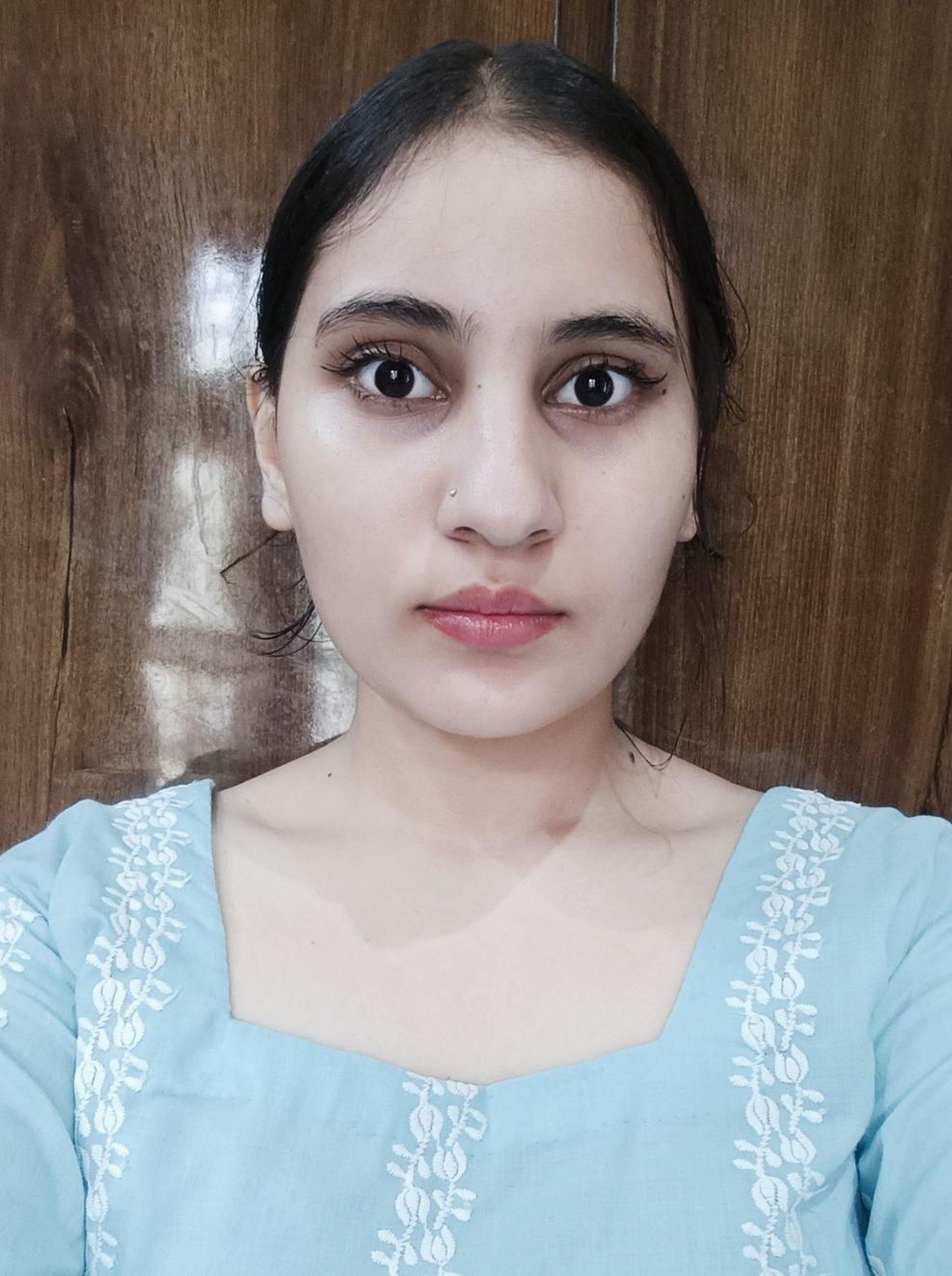
Suneha Kumari is a B.A Student of GDC Thathri.