


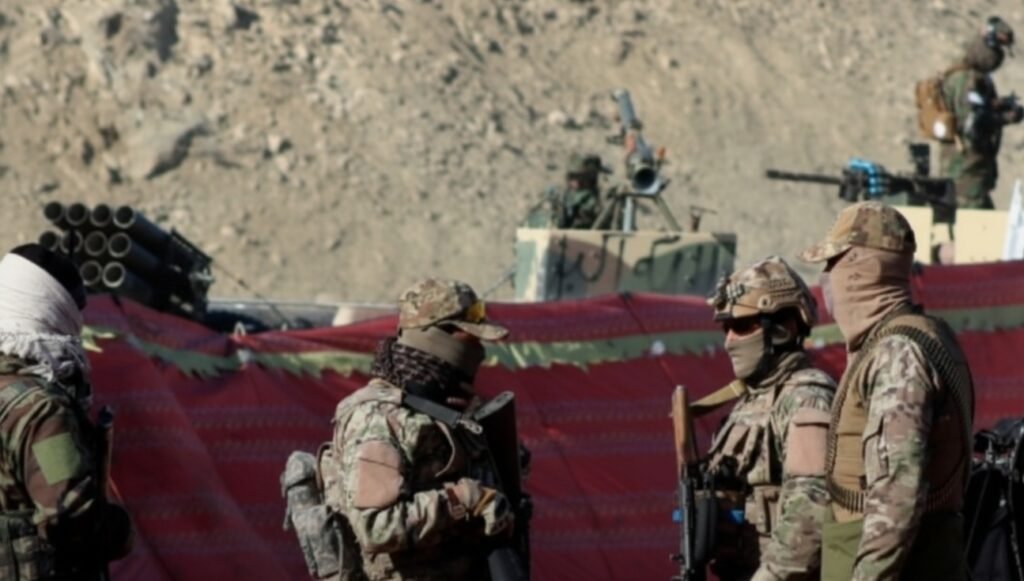
Riyadh, October 12 — Saudi Arabia expressed deep concern over escalating tensions and clashes along the Pakistan-Afghanistan border, urging both nations to exercise self-restraint, avoid further escalation and pursue dialogue to maintain regional security and stability. The Kingdom’s Ministry of Foreign Affairs issued the statement on Sunday amid reports of cross-border firefights in Khyber-Pakhtunkhwa and Balochistan provinces, triggered by alleged Afghan firing on Pakistani posts and subsequent Pakistani retaliation, according to details received by The Chenab Times.
“The Kingdom of Saudi Arabia is following with concern the tensions and clashes taking place in the border areas between the Islamic Republic of Pakistan and the State of Afghanistan. The Kingdom calls for self-restraint, avoiding escalation, and embracing dialogue and wisdom, which will contribute to reducing tension and maintaining the security and stability of the region,” the foreign ministry said in an official statement, as reported by The Tribune. Riyadh affirmed its support for all regional and international efforts to promote peace, emphasizing its commitment to the prosperity of the “brotherly” Pakistani and Afghan peoples.
The appeal follows a series of violent incidents that began with reported Pakistani airstrikes in Kabul, Khost, Jalalabad and Paktika on October 9, targeting Tehreek-e-Taliban Pakistan (TTP) positions, according to Taliban officials, as per Wikipedia’s summary of the 2025 conflict. Afghanistan accused Pakistan of violating its sovereignty in an “unprecedented, violent, and provocative act,” with blasts heard in Kabul late Thursday and a bombing on a civilian market in Paktika destroying shops and causing casualties, as stated by the Taliban Defence Ministry. Pakistan has not confirmed the strikes but accused Kabul of harboring TTP militants, with military spokesperson General Ahmed Sharif Chaudhry stating Afghanistan serves as a “base of operation for terrorism against Pakistan” and vowing necessary measures to protect citizens.
Clashes intensified Friday in border provinces like Kunar, Nangarhar, Paktika, Khost and Helmand, with Taliban forces claiming retaliatory fire after Pakistani incursions, per Al Jazeera. Former U.S. envoy Zalmay Khalilzad described the Kabul strikes as a “huge escalation” posing “dangerous risks,” urging immediate talks, as per India Today. Pakistan’s Defence Minister Khawaja Asif had warned on October 10 that “enough is enough,” ruling out collateral damage in responses to attacks, according to Dawn.
Saudi Arabia’s intervention aligns with similar calls from regional powers. Iran’s Foreign Minister Abbas Araghchi urged both sides to “exercise restraint,” stating stability between neighbors contributes to broader regional peace, as reported by The Week. Qatar’s Ministry of Foreign Affairs expressed “deep concern” and prioritized “dialogue and diplomacy” to contain disputes and foster cooperation. These appeals come amid Afghanistan Foreign Minister Amir Khan Muttaqi’s first high-level visit to India since 2021, where he met External Affairs Minister S. Jaishankar and National Security Adviser Ajit Doval to enhance economic ties, emphasizing negotiation over war.
The border flare-up marks the third major clash since March 2024, rooted in Pakistan’s accusations against the Taliban for sheltering TTP, which Kabul denies. Analysts warn of risks to regional stability, with Taliban media calling for retaliation and unverified reports of TTP chief Noor Wali Mehsud surviving a Kabul strike. Saudi Arabia’s statement reaffirms its role as a mediator, supporting efforts for de-escalation amid fears of broader conflict.


Global Affairs Desk at The Chenab Times covers international developments, global diplomacy, and foreign policy issues through fact-based reporting, explainers, and analytical pieces. The desk focuses on major geopolitical events, diplomatic engagements, and international trends, with an emphasis on verified information, multiple perspectives, and contextual understanding of global affairs.