


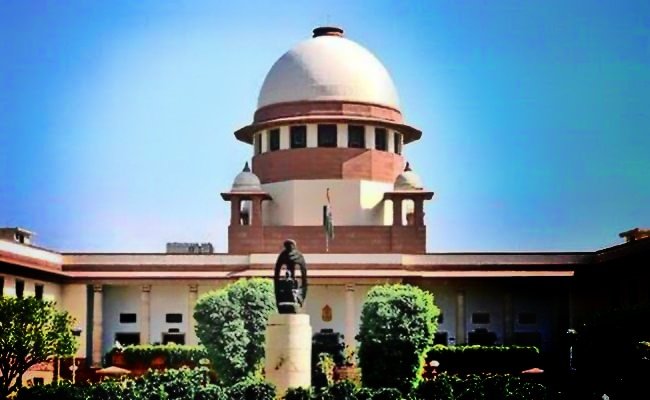
The Supreme Court of India has stayed the implementation of the University Grants Commission’s Promotion of Equity in Higher Education Institutions Regulations, 2026, citing vagueness in provisions and potential for misuse, while directing that the earlier 2012 regulations continue to remain in force.
Top Court Halts Controversial UGC Equity Rules, Revives 2012 Framework Pending Re-Examination
The Supreme Court on January 29, 2026, kept in abeyance the University Grants Commission’s (Promotion of Equity in Higher Education Institutions) Regulations, 2026, which were notified on January 13, 2026. The bench comprising Chief Justice of India Surya Kant and Justice Joymalya Bagchi observed that certain provisions appeared prima facie vague and capable of misuse, potentially leading to social division if allowed to operate. The court issued notices to the Centre and the UGC, listing the matter for further hearing on March 19, 2026.
According to details received by The Chenab Times, the regulations aimed to promote equity and address discrimination in higher education institutions by mandating the formation of equity committees, equal opportunity centres, and a 24×7 equity helpline, primarily focused on protecting students from Scheduled Castes (SC), Scheduled Tribes (ST), and Other Backward Classes (OBC) communities. Protests erupted across campuses nationwide shortly after notification, with students from general or upper castes alleging that the rules discriminated against them by excluding them from similar grievance redressal mechanisms. Demonstrations occurred at universities, including Delhi University, and outside UGC offices, with calls for rollback under hashtags trending on social media.
The petitions challenging the regulations argued that the framework was discriminatory and overreaching, extending protective benefits selectively while denying them to general category students. The court flagged concerns over the “complete vagueness” in definitions and provisions, questioning whether such rules could be prone to misuse and warning of their potential to divide society. In an interim order under Article 142 of the Constitution, the bench directed that the 2012 UGC regulations on the subject would continue to apply until further orders, effectively pausing the new rules.
This development provides immediate relief to protesting students and marks a setback for the implementation of the new guidelines by the UGC and the government. Political reactions have been swift, with some leaders welcoming the stay as protecting constitutional values, while others expressed support for the intent behind addressing caste-based discrimination but highlighted institutional challenges. The case has drawn attention across the country, including in Jammu and Kashmir, where higher education institutions follow UGC norms.
The protests highlighted broader debates on equity, inclusion, and fairness in higher education, with demonstrators arguing that the regulations could inadvertently foster reverse discrimination. Legal experts note that the stay revives the older framework, which did not draw similar widespread opposition. The Supreme Court’s intervention underscores the need for clearer, more balanced regulations to prevent misuse while advancing anti-discrimination goals.
The matter remains sub judice, with the Centre and UGC expected to respond to the petitions. The final outcome could reshape policies on equity and grievance redressal in India’s higher education sector, affecting millions of students nationwide. The court’s emphasis on re-examination signals that any future framework must address the identified shortcomings to ensure inclusivity without unintended consequences.


The Chenab Times News Desk