


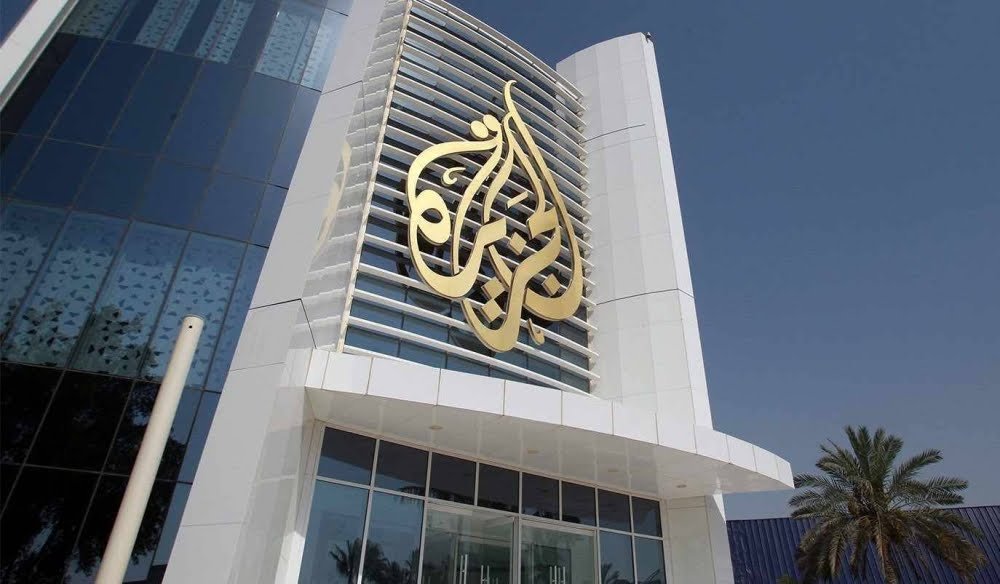
Al Jazeera Media Network has strongly criticised YouTube for complying with an Israeli government order that blocks the network’s channels and websites in the country, describing the action as a serious threat to press freedom and access to information.
The Chenab Times has learned that the Qatar-based broadcaster issued a statement denouncing YouTube’s decision to restrict access to its livestreams of Al Jazeera Arabic, Al Jazeera English, and Al Jazeera Mubasher within Israel. The move followed an order from Israeli Communications Minister Shlomo Karhi extending a ban on the network’s operations by 90 days, which prohibits broadcasting and internet companies, including YouTube, from providing services to Al Jazeera in Israel.
The restrictions on Al Jazeera in Israel date back to May 2024, when the Israeli government enacted legislation allowing the closure of foreign media outlets deemed a threat to national security. Al Jazeera has consistently rejected these allegations, asserting that its reporting adheres to professional standards and serves the public interest. The latest extension, announced on January 25, 2026, expanded the scope to explicitly include digital platforms and YouTube channels.
In its statement released on January 29, 2026, Al Jazeera emphasised that the ban violates Article 19 of the International Covenant on Civil and Political Rights, which protects the freedom to seek, receive, and impart information. The network accused YouTube of failing to comply with the United Nations Guiding Principles on Business and Human Rights, which require companies to safeguard freedom of expression and resist government pressures that suppress independent journalism.
Al Jazeera described the blocking of its digital platforms on purported security grounds as a dangerous precedent, suggesting that major technology firms can be enlisted to enforce censorship by governments opposed to open reporting. The statement highlighted this as part of a broader pattern of actions against the network, including the closure of its offices in Israel and the occupied territories, as well as the detention and killing of its journalists in conflict zones.
The network called on YouTube and other digital platforms to reverse the restrictions immediately and to fulfil their responsibilities to global audiences by upholding principles of free expression. It urged media freedom and human rights organisations to join in condemning what it termed Israel’s systematic targeting of independent journalism.
This development occurs amid ongoing tensions in the region, where access to diverse sources of information remains a point of contention. Al Jazeera maintains that its coverage provides essential perspectives on global events, particularly in areas of conflict, and that such bans undermine the global public sphere by promoting selective narratives.
The incident raises questions about the role of private tech companies in implementing state-directed content restrictions and their obligations under international human rights frameworks. Observers note that similar measures have been applied to other outlets, though Al Jazeera’s case has drawn particular attention due to its extensive reporting on Middle Eastern affairs.
Al Jazeera has vowed to continue its operations and pursue legal avenues where possible, reiterating its commitment to professional journalism despite these challenges. The network’s statement concluded with a call for broader support to protect press freedom in an era of increasing digital controls.


Global Affairs Desk at The Chenab Times covers international developments, global diplomacy, and foreign policy issues through fact-based reporting, explainers, and analytical pieces. The desk focuses on major geopolitical events, diplomatic engagements, and international trends, with an emphasis on verified information, multiple perspectives, and contextual understanding of global affairs.