


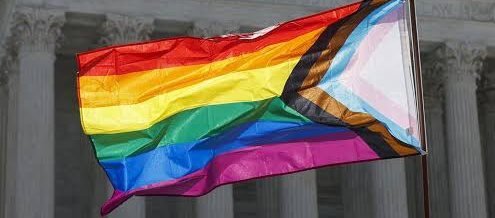
The U.S. Supreme Court has struck down Colorado’s law that prohibited licensed counselors from practicing so-called “conversion therapy” on minors, ruling that the ban infringes upon the free speech rights of therapists as protected by the First Amendment.
The Ruling
The nation’s highest court determined that the Colorado law, which sought to protect LGBTQ+ youth from practices aimed at changing their sexual orientation or gender identity, constituted an unconstitutional restriction on professional speech. The ruling centered on the idea that the state’s ban compelled counselors to speak in a certain way or refrain from speaking altogether on topics related to sexual orientation and gender identity, thereby violating their First Amendment rights.
The case involved challenges brought by licensed professional counselors who argued that the state’s prohibition prevented them from discussing certain topics with their clients, even if those discussions were not intended to change a minor’s identity but rather to help them navigate complex issues. The court’s majority opinion, delivered by Justice Neil Gorsuch, reasoned that the law was too broad and could encompass speech that did not actually involve promoting conversion therapy.
Background of ‘Conversion Therapy’
“Conversion therapy,” also known as reparative therapy or sexual orientation change efforts, refers to a range of practices intended to change an individual’s sexual orientation or gender identity. These practices have been widely discredited by major medical and mental health organizations, including the American Medical Association, the American Psychological Association, and the American Academy of Pediatrics. These organizations have stated that attempts to change a person’s sexual orientation or gender identity are ineffective and can cause significant harm, including depression, anxiety, substance abuse, and suicidal ideation.
Numerous states and municipalities across the United States have enacted bans or restrictions on conversion therapy, particularly for minors, in response to the consensus among medical and mental health professionals regarding its harmful nature. Colorado was among these jurisdictions, having passed its ban in 2017. The law prohibited licensed professional counselors, social workers, psychologists, and others from engaging in sexual orientation change efforts on minors.
Legal Arguments and Precedent
The legal debate focused on the interpretation of the First Amendment’s guarantee of free speech and its application to professional conduct. Petitioners, including the counselors, argued that their speech was being restricted in a way that violated their constitutional rights. They contended that the law did not merely regulate harmful conduct but also suppressed certain viewpoints and discussions.
The Supreme Court’s decision has broader implications for how states can regulate professional speech, particularly in contexts involving sensitive personal issues. While the court did not endorse conversion therapy, its ruling emphasized the importance of protecting professional speech from overly broad state restrictions. The majority opinion suggested that alternative legislative approaches might be constitutionally permissible, provided they are more narrowly tailored to address specific harms without unduly restricting speech.
Dissenting Opinions and Concerns
The dissenting justices raised concerns that the ruling could undermine efforts to protect vulnerable LGBTQ+ youth. Justice Sonia Sotomayor, in her dissent, argued that the majority’s focus on free speech overlooked the significant harm that conversion therapy practices inflict on minors. She emphasized that the state has a compelling interest in protecting children from such practices and that the law was a necessary measure to ensure their well-being.
Critics of the Supreme Court’s decision have expressed worry that it could embolden attempts to resume or permit conversion therapy practices, despite the overwhelming scientific and medical consensus against them. They argue that the ruling prioritizes the speech rights of therapists over the safety and mental health of LGBTQ+ young people, who are particularly susceptible to coercion and harm.
Future Implications
The Supreme Court’s decision is likely to have a ripple effect on similar laws in other states. Legal experts suggest that states wishing to ban conversion therapy may need to revise their legislation to withstand constitutional challenges, possibly by focusing more directly on the harmful conduct itself rather than the speech involved. The ruling may also spur further legal challenges to existing state-level bans.
For LGBTQ+ advocacy groups and mental health professionals, the ruling represents a setback in the ongoing effort to protect vulnerable youth from practices deemed harmful and discriminatory. They are expected to continue advocating for legislative and policy changes at both state and federal levels to ensure the safety and well-being of LGBTQ+ individuals.


Global Affairs Desk at The Chenab Times covers international developments, global diplomacy, and foreign policy issues through fact-based reporting, explainers, and analytical pieces. The desk focuses on major geopolitical events, diplomatic engagements, and international trends, with an emphasis on verified information, multiple perspectives, and contextual understanding of global affairs.