


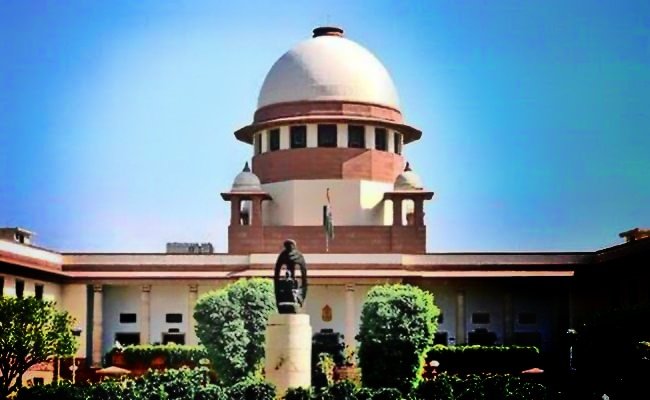
NEW DELHI: In a significant update on the ongoing Special Intensive Revision (SIR) of electoral rolls in West Bengal, the Chief Justice of the Calcutta High Court has informed the Supreme Court that approximately 47 lakh out of the total 60 lakh objections have been processed and resolved as of March 31. This development was communicated to the apex court during a hearing on pleas related to the revision process.
The Chenab Times has learned that a bench comprising Chief Justice Surya Kant and Justices Joymalya Bagchi and Vipul M Pancholi received a letter from the Chief Justice of the Calcutta High Court on Tuesday detailing the progress. The Chief Justice of India expressed satisfaction with the figures presented, noting the progress made in addressing the lodged objections.
According to the information shared, the Calcutta High Court Chief Justice indicated that the process of handling objections is proceeding at a brisk pace, with an estimated 1.75 lakh to 2 lakh objections being addressed daily. The court was further apprised that a complete resolution of all pending objections is anticipated by April 7.
The Supreme Court is currently adjudicating a series of petitions concerning the comprehensive revision of electoral rolls underway in West Bengal. The SIR process aims to ensure the accuracy and completeness of the voter list, a crucial step in preparing for upcoming electoral activities.
The Special Intensive Revision of electoral rolls is a nationwide initiative undertaken periodically by the Election Commission of India to update voter data, include new voters, and remove deceased or duplicated entries. In West Bengal, the current phase has seen a substantial volume of objections, pertaining to various discrepancies and claims lodged by citizens and political parties. The meticulous disposal of these objections is vital for maintaining the integrity of the electoral process and ensuring fair representation.
The Supreme Court’s involvement underscores the importance of the electoral roll revision process and its potential impact on democratic exercises. The court’s focus on the expeditious and fair resolution of objections reflects its commitment to upholding the principles of electoral fairness. The ongoing hearing is expected to provide further insights into the mechanisms employed for objection resolution and the timeline for the completion of the SIR.
The process involves meticulous scrutiny of each objection, which can range from name additions and deletions to corrections in addresses and other voter details. Electoral authorities work in conjunction with local administration and political representatives to verify the validity of claims before making final decisions. The substantial number of objections handled indicates a high level of public engagement with the electoral system, as well as the diligence of the election machinery in responding to these inputs.


The Chenab Times News Desk