


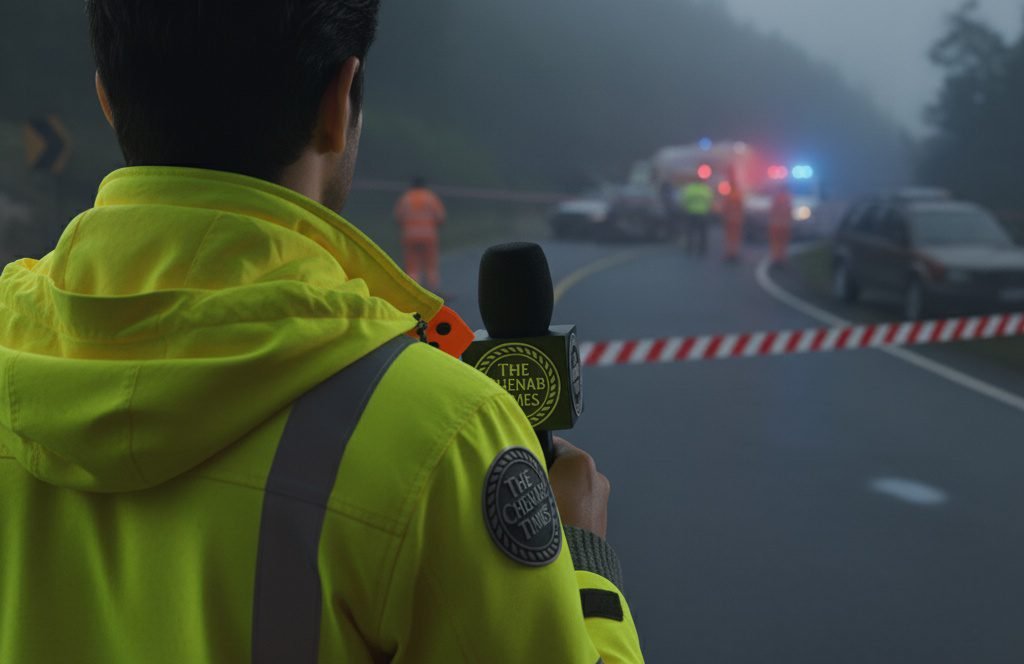
Iranian state media reported on Thursday that military helicopters were actively searching for the crew of an aircraft that had crashed, with initial reports suggesting the incident involved a military jet.
The Chenab Times has learned that the incident occurred in a remote region, prompting a significant search and rescue operation. Details regarding the specific type of aircraft, the number of crew members on board, and the circumstances leading to the crash remain scarce, with official statements offering limited information.
Iranian news agencies, including IRNA and Tasnim, disseminated information about the ongoing search efforts. These reports indicated that the crash site was located in a mountainous area, complicating the access for rescue teams. The primary objective of the operation, as stated by officials, is to locate and assist any surviving crew members and to recover the aircraft’s flight recorders.
The Iranian armed forces have not yet officially confirmed the nature of the downed aircraft, nor have they provided any casualty figures. The lack of immediate details has led to speculation, but official sources have urged patience as the investigation and rescue operations unfold. State television showed footage of helicopters surveying a rugged landscape.
Search and rescue teams, equipped with specialized gear for difficult terrain, have been deployed to the suspected crash zone. The Iranian military maintains a fleet of various aircraft, including fighter jets, bombers, and transport planes, and the precise identity of the crashed vehicle will be crucial in understanding the potential causes of the incident. The country’s air force has experienced a range of aircraft, some of which are aging and have been a subject of concerns regarding maintenance and upgrades.
Such incidents in Iran are often subject to strict information control, with official media being the primary source of updates. The remoteness of the crash site, coupled with the challenging mountainous environment, is expected to prolong the search and recovery efforts. The weather conditions in the region will also play a significant role in the efficiency of the operation.
Iran’s aviation sector, both civilian and military, has faced challenges in recent decades, partly due to international sanctions that have limited access to new aircraft and spare parts. This has led to a reliance on older fleets and has been cited as a contributing factor in a number of aviation accidents over the years. The military, in particular, operates a diverse range of aircraft, some of which are Soviet- or American-made from before the 1979 revolution, alongside domestically produced models.
The Iranian military conducts regular training exercises, and while accidents are not uncommon in such activities, the official silence surrounding this particular event has amplified the attention it has received. The focus remains on the intensive search for the crew, with the hope of finding survivors. The investigation into the cause of the crash will commence once the site is secured and relevant evidence is collected.
The mountainous terrain where the aircraft is believed to have gone down presents considerable difficulties for helicopters and ground teams. Search operations in such environments require careful planning and execution to ensure the safety of the rescue personnel and to maximize the chances of success. Information will likely be released incrementally as the situation develops and official assessments are made.


Global Affairs Desk at The Chenab Times covers international developments, global diplomacy, and foreign policy issues through fact-based reporting, explainers, and analytical pieces. The desk focuses on major geopolitical events, diplomatic engagements, and international trends, with an emphasis on verified information, multiple perspectives, and contextual understanding of global affairs.