


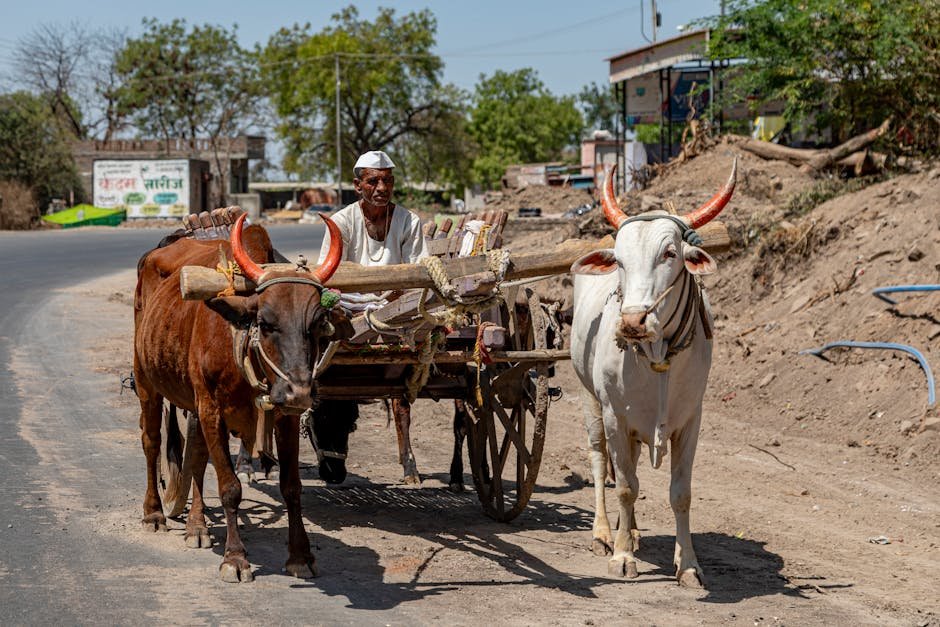
Unseasonal rains and hailstorms have swept across several districts of Maharashtra, causing extensive damage to standing crops and orchards. Farmers are facing significant financial losses as the unpredicted weather events have devastated agricultural land, impacting yield and quality.
Farmers Report Extensive Losses as Unseasonal Weather Hits Maharashtra
Information was available with The Chenab Times indicating that an estimated 1.22 lakh hectares of agricultural land have been affected by the unseasonal downpour and hailstorms that have lashed parts of Maharashtra over the past few days. The erratic weather has particularly impacted districts like Pune, Solapur, Satara, Sangli, and Osmanabad, areas known for their agricultural output.
Reports from affected regions suggest that crops such as wheat, jowar, sugarcane, and horticulture produce have borne the brunt of the inclement weather. Orchards bearing fruits like grapes, oranges, and pomegranates have also suffered considerable damage, with fruits being dislodged from trees and exposed to further decay. The intensity of the rainfall, coupled with hailstones in some areas, has flattened fields and rendered much of the produce unmarketable.
The Maharashtra government has acknowledged the severity of the situation and has initiated steps to assess the extent of the damage. Chief Minister Eknath Shinde has directed officials to conduct immediate surveys and provide necessary assistance to the affected farmers. The state administration has pledged to expedite relief measures, including compensation for crop losses, to alleviate the financial distress of the agricultural community.
Agriculture Minister Dhananjay Munde has stated that preliminary reports indicate substantial damage across the affected districts. He assured that the government would extend all possible support to the farmers, emphasizing that a comprehensive assessment of the losses would form the basis for compensation. The minister also highlighted the challenging nature of unseasonal weather patterns, which are becoming increasingly prevalent and unpredictable, posing a significant threat to India’s agrarian economy.
The unseasonal rains come at a critical juncture for many farmers who were in the process of harvesting or preparing their produce for market. The damage is not only to the current yield but also potentially to the future planting cycles, as the soil conditions may be adversely affected. The hailstorms, in particular, have caused physical damage to the crops, reducing their market value to zero in many instances.
Local agricultural departments and revenue officials have been deployed to the affected areas to conduct detailed panchnamas (spot assessments) of the crop damage. These assessments are crucial for processing insurance claims and disbursing government relief funds. Farmers have been urged to cooperate with the surveying teams and provide accurate information regarding the extent of their losses.
The meteorological department had previously issued warnings for isolated rainfall and thunderstorms in parts of Maharashtra due to a trough extending from the northern parts of the country. However, the intensity and widespread nature of the unseasonal showers that followed caught many by surprise, particularly in regions that were expecting clear skies for the ongoing harvest season.
The incident underscores the vulnerability of India’s agricultural sector to climate change and extreme weather events. Experts have long warned about the increasing frequency and intensity of such unseasonal weather patterns, which can have devastating consequences for farmers and national food security. Calls for more robust climate-resilient agricultural practices and enhanced disaster management strategies are likely to intensify in the wake of this event.
Farmers’ representative bodies have expressed deep concern over the extensive losses and have appealed to the state government for swift and adequate relief. They are advocating for a fair valuation of the damage and a transparent disbursement of compensation to ensure that the most needy farmers receive timely support. The long-term implications of such recurring weather disruptions on the livelihoods of farming communities across Maharashtra remain a significant concern.


The Chenab Times News Desk