


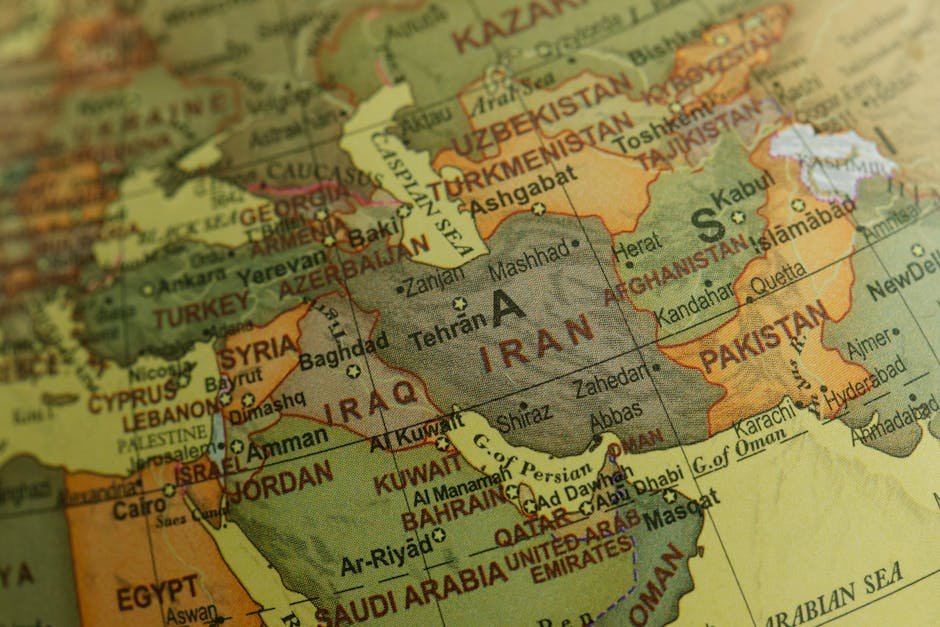
The Middle East remains on a knife’s edge as tensions between Iran and its adversaries show no signs of abating. The latest developments follow a period of heightened military activity and diplomatic maneuvering across the region.
Information was available with The Chenab Times indicating a complex web of strategic actions and reactions involving Iran, Israel, and other regional and global powers. The situation is closely monitored by international bodies concerned about wider conflict escalation.
Recent days have seen increased rhetoric from Iranian officials regarding its defensive capabilities and regional influence. These statements often come in response to perceived threats or actions by the United States and its allies, particularly Israel. The ongoing conflict in the Gaza Strip continues to be a significant factor, drawing in various regional actors and influencing broader geopolitical dynamics.
Analysts suggest that Iran is employing a multi-pronged strategy to assert its position, encompassing both overt military posturing and clandestine operations. The nation’s missile program and its network of proxy forces in countries like Lebanon, Syria, and Yemen remain key elements of its regional strategy. These proxies have demonstrated the capacity to launch attacks that complicate the security landscape for its opponents.
Israel, for its part, maintains a stance of proactive defense, frequently conducting operations aimed at disrupting Iranian-backed activities and preventing the transfer of advanced weaponry. The Israeli military has stated its commitment to safeguarding its borders and countering what it describes as Iranian aggression. This has led to a cycle of action and counter-action that risks drawing other nations into direct confrontation.
The United States, a key ally of Israel, has reiterated its support for the nation’s security while also engaging in diplomatic efforts to de-escalate tensions. Washington has also imposed sanctions on Iran, aimed at curtailing its nuclear program and its support for militant groups. The presence of U.S. military assets in the region serves as a deterrent but also increases the potential for unintended escalation.
International organizations, including the United Nations, have called for restraint from all parties involved. The potential for a wider conflict is a grave concern, given the region’s strategic importance and the interconnectedness of global security. Diplomatic channels are reportedly active, though progress towards a lasting de-escalation remains uncertain.
The economic implications of sustained regional instability are also significant. Disruptions to oil supplies, the impact on global trade routes, and the diversion of resources towards military spending all contribute to a challenging global economic outlook. Investors and policymakers are closely watching the unfolding events for signs of either stabilization or further deterioration.
Public sentiment in many affected nations appears to be one of anxiety, with populations caught in the crossfire of escalating geopolitical rivalries. The humanitarian consequences of any direct conflict would be immense, adding another layer of urgency to calls for a peaceful resolution.
The intricate balance of power in the Middle East means that any miscalculation or unintended incident could have far-reaching and severe consequences. The coming weeks are expected to be critical in determining whether the region can navigate this period of heightened risk or if it will descend further into open conflict.


Global Affairs Desk at The Chenab Times covers international developments, global diplomacy, and foreign policy issues through fact-based reporting, explainers, and analytical pieces. The desk focuses on major geopolitical events, diplomatic engagements, and international trends, with an emphasis on verified information, multiple perspectives, and contextual understanding of global affairs.