


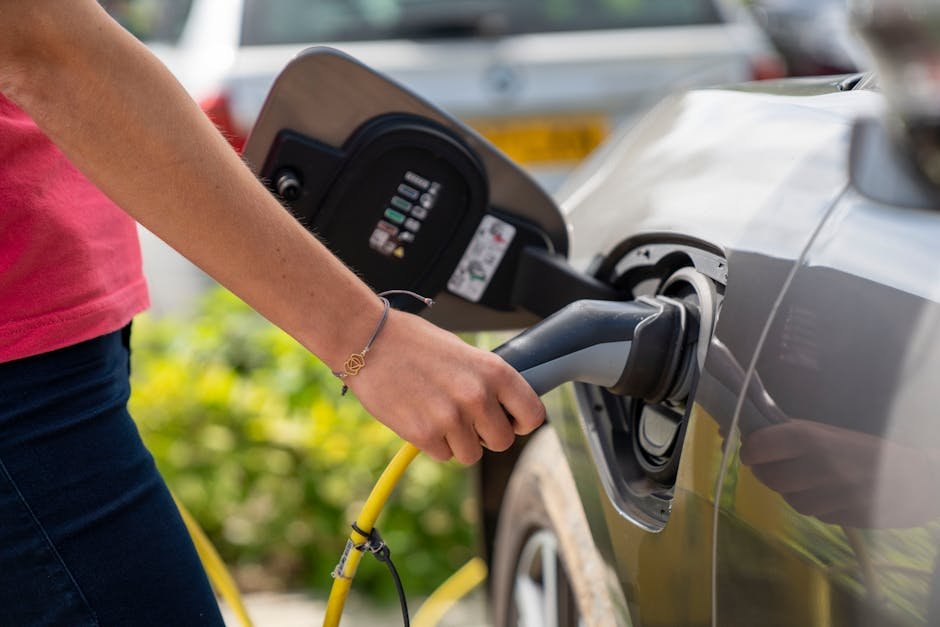
The Delhi government has released a draft Electric Vehicle (EV) Policy for 2026-2030, proposing substantial tax exemptions and financial incentives aimed at accelerating the adoption of electric mobility and curbing vehicular pollution in the national capital. The draft policy, which is open for public feedback for 30 days, seeks to build upon previous initiatives and set aggressive targets for transitioning to cleaner transportation by March 31, 2030.
Significant Tax Exemptions and Incentives Proposed
Under the proposed policy, all electric cars with an ex-showroom price of up to ₹30 lakh will receive a 100 percent exemption on road tax and registration fees, effective until March 31, 2030. This significant tax waiver is expected to make electric vehicles more accessible to a broader segment of the population. However, electric cars priced above ₹30 lakh will not be eligible for these exemptions. For strong hybrid vehicles, a 50 percent exemption on road tax and registration fees is proposed, indicating a transitional strategy to encourage a gradual shift towards electrification.
The draft policy also outlines purchase incentives for various EV segments. For electric two-wheelers priced up to ₹2.25 lakh, incentives will be provided on a per kWh basis, starting at ₹10,000 per kWh with a maximum cap of ₹30,000 in the first year, tapering down over three years. Similar incentive structures are proposed for electric three-wheelers, with amounts starting at ₹50,000 in the first year and decreasing annually. Electric four-wheeler goods vehicles (N1 category) are set to receive incentives ranging from ₹1 lakh in the first year to ₹50,000 in the third year.
Phased Electrification Mandates
A key regulatory measure in the draft policy is the mandate for phased electrification of different vehicle categories. New registrations for petrol two-wheelers are slated to be banned from April 1, 2028. Similarly, only electric three-wheelers will be permitted for new registrations starting January 1, 2027. The policy also includes provisions for the electrification of commercial fleets, with aggregators facing stricter timelines for non-petrol or diesel two-wheelers and light goods vehicles.
Furthermore, the draft policy emphasizes the electrification of government fleets and school buses. All hired or leased vehicles under the Delhi government are expected to be electric from the date of notification, with exceptions for certain categories. New buses inducted by the Transport Department and DTC will also be electric. School bus fleets will also face phased electrification targets, beginning with 10 percent in the first year and increasing to 30 percent by the 2030 fiscal year.
Scrappage Incentives and Ecosystem Development
To encourage the retirement of older, polluting vehicles, the draft policy includes scrappage incentives. Owners of old two-wheelers and three-wheelers will be eligible for ₹10,000 and ₹25,000, respectively, upon purchasing a new electric vehicle, provided the purchase is made within six months of scrapping. For electric cars, a scrapping incentive of up to ₹1 lakh is proposed for vehicles priced below ₹30 lakh.
The policy aims to foster a robust EV ecosystem by supporting the installation of a comprehensive public and private charging network across Delhi. It also intends to enable a strong EV supply chain, encompassing battery recycling, servicing, and component recovery. The Delhi government has highlighted its commitment to improving air quality and promoting clean mobility through targeted incentives, infrastructure development, and regulatory measures, building on the momentum of its previous EV policy.


The Chenab Times News Desk