


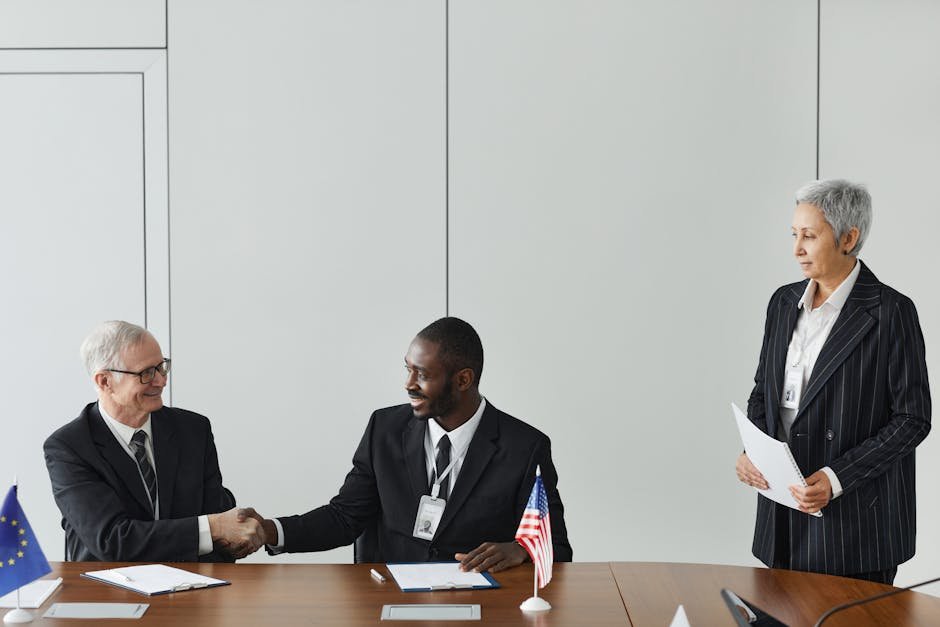
High-level delegations from Iran and the United States have convened in Islamabad, Pakistan, for critical peace talks aimed at de-escalating the ongoing conflict in the Middle East. The negotiations, described by Pakistani Prime Minister Shehbaz Sharif as a “make or break” moment, seek to establish a lasting ceasefire and address the complex geopolitical issues driving the regional instability.
Information was available with The Chenab Times indicating that the Iranian delegation arrived first, led by Parliament Speaker Mohammad Bagher Ghalibaf. He was accompanied by a substantial team, including Foreign Minister Abbas Araghchi, secretary of the defense council Ali Akbar Ahmadian, and Central Bank Governor Abdolnaser Hemmati, among other officials and technical specialists. The arrival of the Iranian team was reportedly met with Pakistani military escort.
Shortly thereafter, the United States delegation landed, headed by Vice President JD Vance. Accompanying Vance were special envoys Steve Witkoff and Jared Kushner, signaling the significance the U.S. administration places on these discussions. The presence of these high-ranking officials underscores the gravity of the situation and the international focus on achieving a resolution to the protracted conflict.
The talks come after a fragile two-week ceasefire, brokered by Pakistan, which halted weeks of intense fighting. However, significant preconditions remain points of contention. Iran has insisted on the fulfillment of two key measures before substantive negotiations can commence: a ceasefire in Lebanon and the release of its frozen assets. On the U.S. side, President Donald Trump has demanded the opening of the Strait of Hormuz, a vital global shipping lane, as a condition for the ceasefire to continue. Trump has also stated that ensuring Iran has no nuclear weapons is a top priority.
The mediation efforts by Pakistan have been crucial in bringing the two adversaries to the negotiating table. Prime Minister Sharif emphasized Pakistan’s role in facilitating a sustainable and long-lasting solution, expressing hope for constructive dialogue. The Pakistani army chief, Asim Munir, and Foreign Minister Ishaq Dar were instrumental in receiving the Iranian delegation, highlighting the nation’s commitment to peace in the region.
Tensions remain high, with statements from both sides reflecting deep-seated mistrust. Ghalibaf, upon arrival, stated, “Iran has come in good faith, but doesn’t trust the US. Our experience in negotiating with the Americans has always been met with failure and broken promises.” Vance, before departing for Pakistan, expressed a willingness to negotiate in good faith but cautioned against attempts to be misled by Iran, stating the U.S. negotiating team would not be receptive if Iran played games.
The conflict, which began with retaliatory actions following Israeli strikes in Lebanon, has had far-reaching consequences, including Iran’s blockade of the Strait of Hormuz, leading to a global energy crisis. The current round of talks is particularly significant as it marks the first high-level engagement between the U.S. and Iran since the 1979 Islamic Revolution and occurs under Iran’s new supreme leader, Mojtaba Khamenei.
Despite the challenges and the wide gap in demands, the international community is closely watching these negotiations in Islamabad. The outcome is expected to have profound implications for regional stability and the global geopolitical landscape.


Global Affairs Desk at The Chenab Times covers international developments, global diplomacy, and foreign policy issues through fact-based reporting, explainers, and analytical pieces. The desk focuses on major geopolitical events, diplomatic engagements, and international trends, with an emphasis on verified information, multiple perspectives, and contextual understanding of global affairs.