


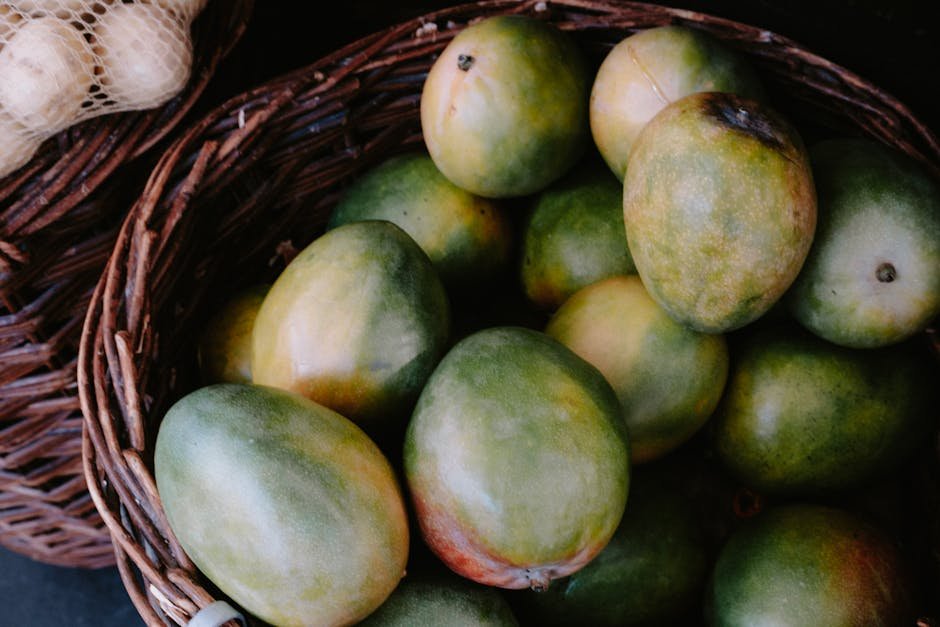
The highly prized Alphonso mangoes from the Konkan region of Maharashtra are experiencing a significant supply shortage this season, leaving growers facing substantial financial losses. Erratic weather patterns, including unseasonal rains and fluctuating temperatures, have severely impacted the flowering and fruit development stages of the mango trees.
Weather Disrupts Crucial Growth Phases
Growers in the Konkan belt, renowned for producing some of India’s finest mangoes, have reported a drastic reduction in both the quantity and quality of the Alphonso crop. The critical period for mango flowering, which typically occurs in late winter and early spring, was disrupted by unseasonal rainfall and humidity. This adverse weather created conditions conducive to fungal diseases and hindered pollination, leading to a poor fruit set.
Subsequently, fluctuating temperatures and intermittent dry spells during the fruit development phase have further stunted the growth of the remaining mangoes. Many fruits that did form have failed to mature properly, resulting in smaller sizes and a less desirable texture. This has led to a significant downturn in the expected yield, with many farmers anticipating losses of up to 60-70% of their usual harvest.
Economic Impact on Growers and Markets
The reduced supply is already being felt in wholesale and retail markets across the country, leading to an anticipated increase in prices for Alphonso mangoes. For the farmers, this shortfall translates directly into reduced income, with many struggling to recover their investments in cultivation, which includes costs for fertilizers, pesticides, labor, and orchard maintenance. The erratic weather has compounded existing challenges faced by the agricultural sector.
Information was available with The Chenab Times indicating that agricultural experts have attributed the unpredictable weather to climate change. The region has witnessed a departure from its typical climatic norms, with prolonged dry spells followed by sudden, intense rainfall, and unusual temperature fluctuations throughout the year. This has created a challenging environment for horticultural crops like mangoes, which are highly sensitive to weather variations.
The Konkan region, comprising districts like Ratnagiri, Sindhudurg, and parts of Raigad, is synonymous with Alphonso mango cultivation. The ‘Hapus’ or Alphonso variety is particularly valued for its distinct aroma, rich flavor, and smooth pulp, making it a premium fruit in both domestic and international markets. The current situation threatens not only the livelihoods of thousands of farmers but also the reputation of Konkan as the premier source of this celebrated fruit.
Looking Ahead: Mitigation and Adaptation
Agricultural scientists and horticultural experts are urging growers to adopt climate-resilient farming practices. This includes exploring advanced irrigation techniques, implementing integrated pest and disease management strategies, and potentially diversifying crops. There is also a growing discussion about the need for better weather forecasting and early warning systems to help farmers prepare for and mitigate the impact of extreme weather events.
The Indian Institute of Horticultural Research (IIHR) and other agricultural research bodies are actively working on developing mango varieties that are more tolerant to climatic stresses. However, these are long-term solutions. In the immediate term, the focus remains on supporting the affected growers through government relief measures and promoting best practices to salvage whatever yield is possible and prepare for the next season. The current season, however, is marked by disappointment and financial strain for the Konkan mango farmers.


The Chenab Times News Desk