


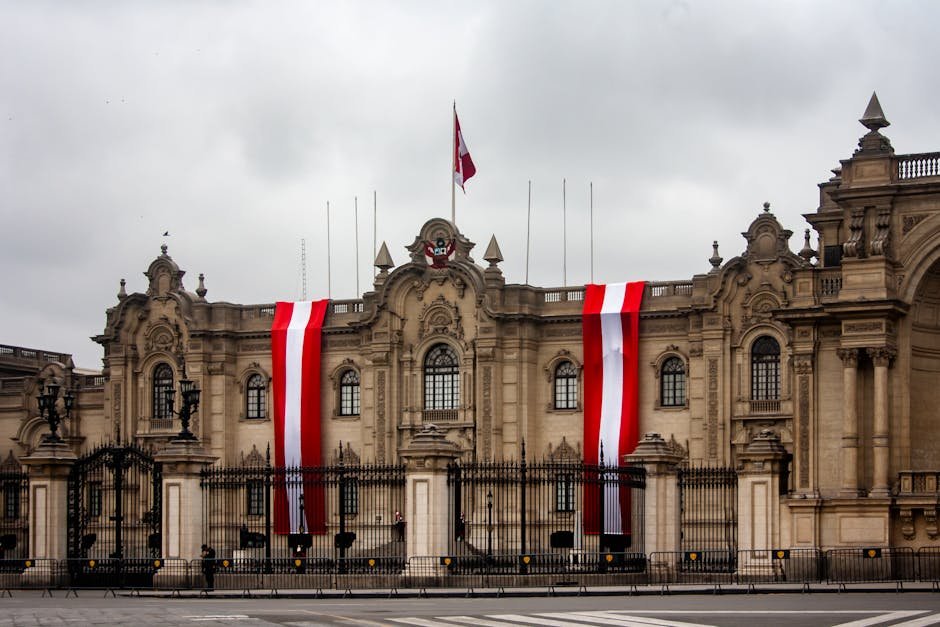
Peruvians are heading to the polls on Sunday, April 12, 2026, to elect their next president, with a record 35 candidates vying for the top office. The election takes place against a backdrop of significant political instability, with the country having seen nine presidents in the last decade, and a population deeply concerned about rising crime and corruption.
The ballot sheet itself is of unprecedented size, reflecting the sheer number of individuals seeking to lead the nation. For the first time in over three decades, Peru is also electing a bicameral legislature, comprising a Senate and a Chamber of Deputies, as part of an electoral reform.
Voter turnout is expected to be high, as voting is mandatory for citizens. However, analysts anticipate a significant number of blank ballots due to widespread voter apathy and skepticism stemming from years of political upheaval and a perceived lack of viable options.
The political landscape in Peru has been marked by frequent impeachments, resignations, and interim governments. This instability has eroded public trust in institutions and politicians, with recent surveys indicating high levels of dissatisfaction with the democratic process.
Crime and corruption have emerged as the dominant issues on voters’ minds. Record levels of homicide and extortion, coupled with numerous corruption scandals involving former presidents and politicians, have fueled public anger and a desire for change.
Among the leading contenders are Keiko Fujimori, daughter of the former president Alberto Fujimori, who is making her fourth presidential bid. Other prominent candidates include Rafael López Aliaga, a businessman whose style has drawn comparisons to Donald Trump, and Carlos Álvarez, a comedian who has gained traction with a tough-on-crime platform. Ricardo Belmont, a media mogul and former mayor of Lima, is also among the notable candidates.
The fragmented nature of the electorate and the large number of candidates make it highly probable that no single candidate will secure over 50 percent of the vote in the first round. This outcome would necessitate a runoff election, scheduled for June 7, between the two candidates who receive the most votes.
Experts suggest that the current political climate has contributed to voter frustration and a lack of enthusiasm for the electoral process. The high number of candidates is seen by some as a reaction to the unpredictability and instability that have characterized Peruvian politics in recent years.
The election also carries geopolitical significance, with implications for Peru’s relationship with the United States and its role in countering illicit economies and influence in the region.
The country’s electoral authority, the Oficina Nacional de Procesos Electorales (ONPE), has provided extensive voter guides and information to assist citizens in navigating the complex ballot and participating in the election.
The challenges facing the incoming administration are considerable, including the need to restore public trust, address systemic corruption, curb rising crime rates, and foster political stability in a nation that has experienced a decade of profound turmoil.


Global Affairs Desk at The Chenab Times covers international developments, global diplomacy, and foreign policy issues through fact-based reporting, explainers, and analytical pieces. The desk focuses on major geopolitical events, diplomatic engagements, and international trends, with an emphasis on verified information, multiple perspectives, and contextual understanding of global affairs.