


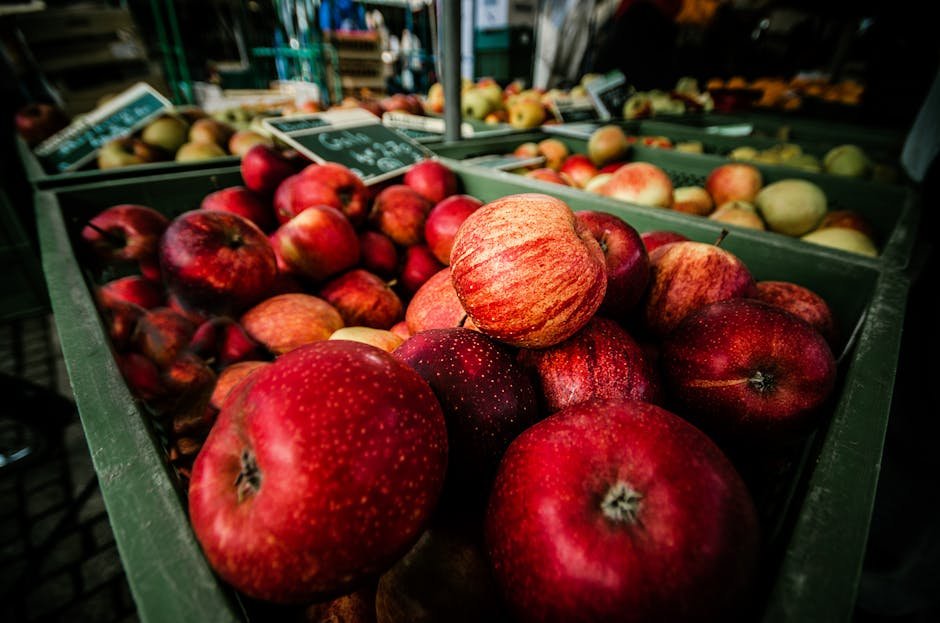
Sopore: Apple growers and dealers in Sopore, a major fruit market in North Kashmir, have intensified their demand for government intervention on several fronts, including the immediate rollout of crop insurance schemes and addressing issues related to spurious pesticides and transportation logistics, ahead of the peak harvest season.
According to details received by The Chenab Times, fruit growers under the leadership of Fayaz Ahmad Malik, known as Kaka-Ji, highlighted at a press briefing that despite horticulture being the economic backbone for 70 to 75 percent of the local population, the sector continues to face neglect from successive administrations. Malik emphasized that the government needs to adopt a more focused and serious approach towards the horticulture sector.
Malik expressed cautious optimism regarding the current season’s yield, noting that crop conditions appear promising. However, he raised significant concerns about the pervasive availability of substandard and counterfeit pesticides and fertilisers in local markets, which has been a persistent issue causing financial strain on the farming community. While acknowledging some improvements in enforcement, he urged for decisive action against those involved in selling spurious agricultural inputs.
He also advised growers to protect themselves by purchasing inputs only from registered dealers, insisting on proper bills, and verifying prices before making any purchases. Malik called upon the Horticulture and Agriculture Departments to increase their field visits and provide practical guidance to farmers directly in their orchards, rather than relying solely on desk-bound instructions.
A critical concern voiced during the briefing pertained to the Srinagar-Jammu National Highway. With the upcoming Amarnath Yatra, Malik noted that while welcoming pilgrims, the potential for traffic restrictions during the pilgrimage poses a significant threat to the timely transportation of apples. The early fruit season often coincides with the Yatra, and disruptions to highway movement could lead to substantial financial losses for growers trying to reach markets promptly. He demanded that two-way traffic be maintained on the highway throughout the apple season to prevent delays that negatively impact the entire supply chain and depress market rates.
Packaging emerged as another area of concern, with Malik appealing for a halt to the use of low-quality silicate cardboard boxes that damage apples during transit and harm the region’s market reputation. He mentioned that discussions have been held with bank officials and carton manufacturers to work towards standardized packaging sizes and weights. Malik stressed that in the face of increasing international competition, the industry cannot afford to compromise on presentation, as proper packaging directly influences market prices.
In terms of financial protection, Malik reiterated the urgent need for the implementation of the Crop Insurance Scheme to safeguard growers against losses incurred due to hailstorms and other natural calamities. He also advocated for the introduction of the Market Intervention Scheme to absorb surplus and lower-grade produce, which he believes is essential for stabilizing prices during periods of high yield.
Further demands included the complete abolition of toll taxes levied on locally transported produce heading to the fruit mandi, which growers perceive as an unjustifiable burden. Malik also appealed to the government to consider waiving Kisan Credit Card loans for growers, drawing a parallel with similar relief measures extended in other states, asserting that the farming community in the region deserves comparable support.
The collective demands from the apple growers underscore the vulnerability of the sector to market fluctuations, infrastructural challenges, financial risks, and perceived policy indifference. The message conveyed by the growers of Sopore is a clear call for greater recognition and support for the community that cultivates Kashmir’s most significant horticultural export.


The Chenab Times News Desk