


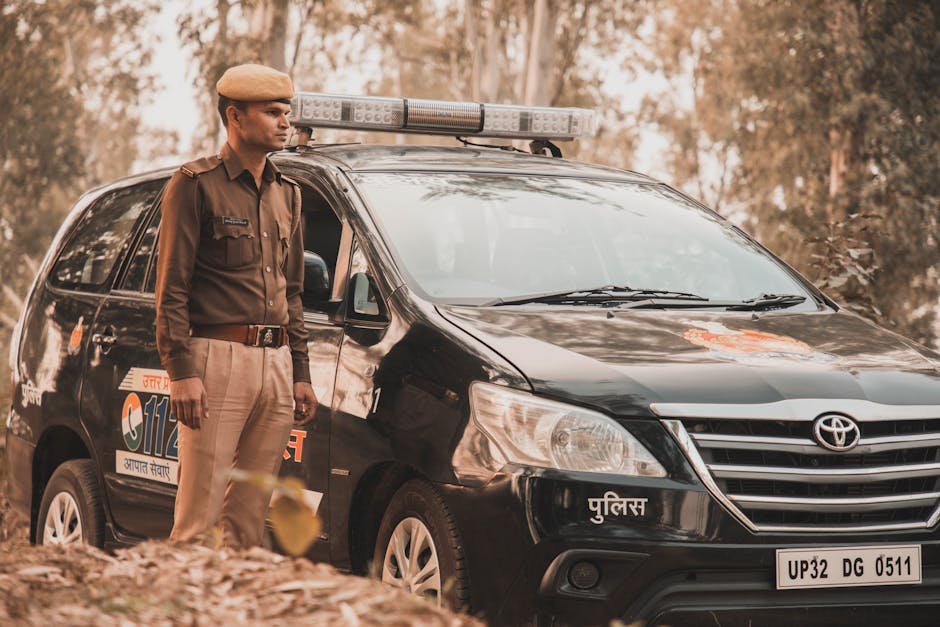
Noida, Uttar Pradesh – Police detained Samajwadi Party (SP) leaders on Friday as they attempted to reach Noida to meet industrial workers who have been protesting over wage-related issues. The detentions, which occurred at the Noida border checkpoints, have intensified political tensions surrounding the ongoing labour unrest.
Opposition Leaders Stopped at Borders
A 10-member delegation from the Samajwadi Party, led by the Leader of the Opposition in the Uttar Pradesh Assembly, Mata Prasad Pandey, was stopped by police at the DND Flyway. Similarly, CPI(M) General Secretary M.A. Baby, leading a delegation, was also prevented from proceeding at the Chilla Border. Both delegations stated their intention was to understand the problems faced by the protesting workers.
The Samajwadi Party leaders alleged that the police action was undemocratic and that the government was trying to suppress the workers’ grievances. Pandey stated that a lathi-charge had occurred after the government ignored wage demands, and that the labour department had failed to address the exploitation of labourers.
Accusations and Government Response
Samajwadi Party chief Akhilesh Yadav strongly criticized the Uttar Pradesh government, led by Chief Minister Yogi Adityanath. Yadav questioned the Chief Minister’s remarks suggesting a conspiracy behind the protests, particularly his claims of Naxal elements attempting to revive their activities. Yadav suggested that if such a conspiracy was true, the state’s intelligence agencies were either failing in their duties or were preoccupied with election campaigning in other states.
Yadav also highlighted the economic hardships faced by workers due to rising inflation and unemployment, accusing the government of exacerbating the situation by failing to address their concerns. He argued that the government’s focus on alleged conspiracies diverted attention from the real economic issues impacting the working class.
Meanwhile, Chief Minister Yogi Adityanath had previously stated that the government stood firm with the workers and would ensure their rights, dignity, and social security. He also urged industrialists to maintain dialogue with employees and advised workers to be wary of those inciting unrest. Adityanath had also suggested that the protests could be part of a larger conspiracy to destabilize the state, citing potential links to Pakistan and attempts to revive Naxalism. Authorities also mentioned identifying suspected bot accounts and registering FIRs against social media handles accused of spreading misinformation.
Background of the Protests
The protests, which began with industrial workers in Noida Phase 2 demanding higher wages, escalated into violence. Reports indicated incidents of stone-pelting, vandalism, and vehicles being set on fire during clashes with the police. The Uttar Pradesh government stated that the unrest might have been influenced by similar protests in neighbouring Haryana, and that outsiders, rather than local labourers, were involved in the violence.
In response to the escalating situation, authorities deployed heavy police forces and initiated dialogue with workers. A high-level committee was formed to address concerns related to wage revision, overtime pay, bonuses, weekly holidays, and workplace safety. The Noida District Magistrate also held meetings with state labour officials to find solutions. The government also announced measures including wage hikes to address the workers’ demands.
The labour department’s perceived inaction in resolving the workers’ long-standing grievances over exploitation and stagnant wages amid rising living costs has been a key point of contention, leading to the escalation of the protests.


The Chenab Times News Desk