


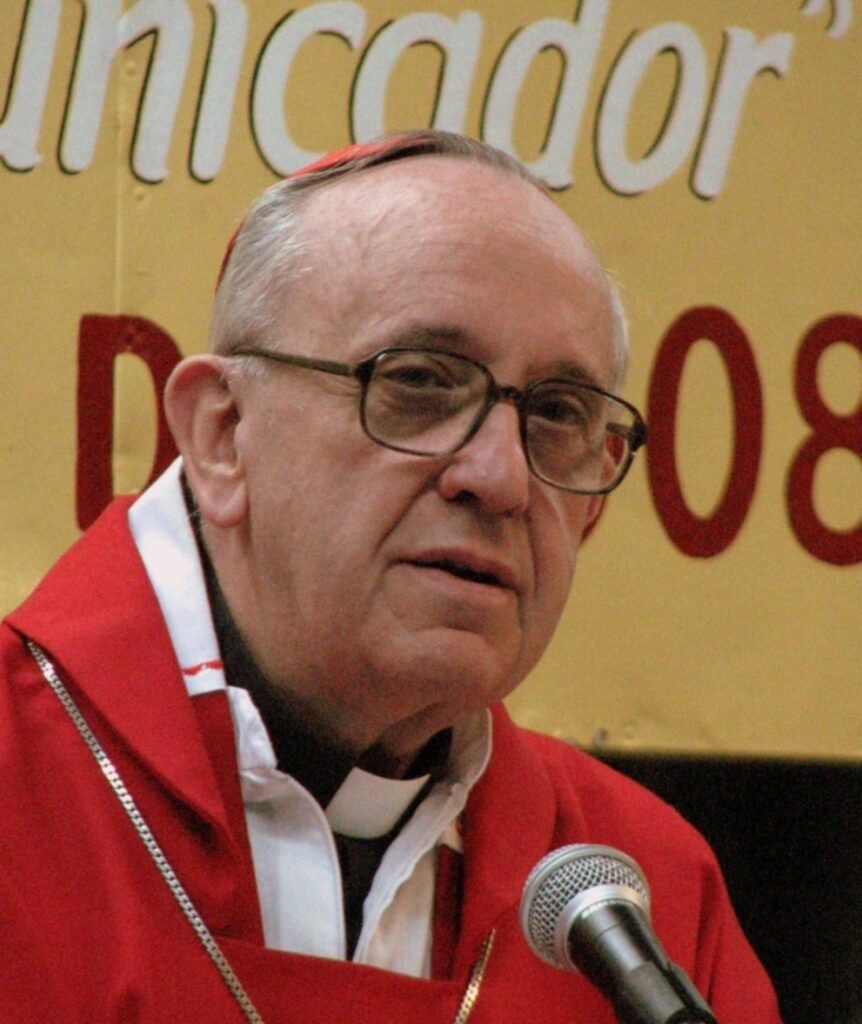
Pope Francis’ upcoming visit to Africa has generated excitement among Catholics across the continent, but a perceived omission of several of the continent’s largest Catholic populations from his itinerary has led to a sense of disappointment for some faithful. The pontiff is scheduled to visit Equatorial Guinea, a nation with a relatively small Catholic population, while bypassing countries like Nigeria, the Democratic Republic of Congo, and South Africa, which host millions of adherents to the faith.
The Chenab Times has learned that the pontiff’s travel plans have highlighted concerns about equitable engagement with Catholic communities in diverse African nations. While the Vatican has not provided explicit reasons for the specific country selections, the chosen destinations have prompted reflection on the allocation of papal attention and resources across the vast and varied Catholic landscape in Africa.
Equatorial Guinea, a former Spanish colony with a population of approximately 1.7 million, is one of the smallest countries in sub-Saharan Africa. Its Catholic population, though significant relative to its overall size, does not compare to the millions found in more populous nations. The Holy See’s choice to prioritize this nation for a papal visit, while overlooking populous Catholic centers, has drawn scrutiny.
In Nigeria, Africa’s most populous country with over 200 million people, Catholics represent a substantial minority, estimated to be in the tens of millions. The nation has a vibrant and active Catholic Church, with a history of engagement with Vatican leadership. Similarly, the Democratic Republic of Congo boasts a large Catholic population, exceeding 40 million, making it one of the largest Catholic communities in the world. South Africa also hosts a significant Catholic population, with millions of followers across the country.
The disappointment stems not from a lack of enthusiasm for the pontiff, but from a feeling that larger, established Catholic communities are being overlooked. For many African Catholics, a papal visit is a moment of profound spiritual significance, offering an opportunity for direct engagement with the head of the Church, a reaffirmation of faith, and a chance to raise local concerns on a global stage. The absence of a papal presence in their nations is therefore keenly felt.
Cardinal Peter Turkson, a Ghanaian prelate who previously headed the Pontifical Council for Justice and Peace, has in the past spoken about the diversity of the African continent and the challenges in representing its myriad communities. While not commenting directly on the current itinerary, his past statements have emphasized the need for the Vatican to acknowledge and engage with the distinct contexts and needs of Catholic churches in different African countries.
Catholic leaders in countries not included in the itinerary have expressed their understanding of the logistical and security challenges involved in papal travel. However, they have also voiced a desire for greater consideration of their significant Catholic constituencies. The selection of destinations often involves a complex interplay of factors, including the current socio-political climate, the strength of local church structures, and the specific pastoral needs deemed most urgent by the Vatican.
The Vatican typically announces papal travel plans months in advance, allowing for extensive preparations by local dioceses and national governments. The current itinerary, which includes Equatorial Guinea, Angola, and potentially other Southern African nations, reflects a pattern of papal visits that has sometimes focused on regions with smaller but perhaps more accessible Catholic populations, or those facing particular challenges that the pontiff wishes to address directly.
Past papal visits to Africa have often been marked by massive gatherings and profound spiritual encounters. Pope Benedict XVI’s visit to Cameroon and Angola in 2009, and Pope John Paul II’s numerous trips across the continent, are remembered for their historical significance and the palpable spiritual energy they generated. The anticipation for Pope Francis’ travels is equally high, underscoring the enduring importance of the papacy for Catholics worldwide.
The perceived slight is unlikely to diminish the faith of African Catholics, but it may lead to a more critical examination of how the global Catholic Church allocates its leadership’s attention. The desire for inclusion and recognition from the highest levels of the Church is a common sentiment among faithful communities, especially in regions where Catholicism is a growing but still developing force, or where its adherents face unique struggles.
Commentators on Vatican affairs suggest that the pope’s travel decisions are often influenced by a desire to reach areas where the Church might be facing particular pressures or opportunities for growth. Equatorial Guinea, for instance, has faced political instability and human rights concerns, and a papal visit could serve as a platform for promoting peace and justice.
However, the sheer scale of Catholic populations in countries like Nigeria and the Democratic Republic of Congo means that their absence from a continental tour is difficult to overlook. These nations have long been vibrant centers of Catholic life, contributing significantly to the global Church’s intellectual and spiritual discourse. Their faithful often look to the pontiff as a source of guidance and inspiration, and a personal visit would undoubtedly have a profound impact.
The Vatican’s diplomatic corps and the Pope’s personal advisors are responsible for planning these extensive trips. Factors such as visa requirements, security arrangements, the availability of suitable venues for large gatherings, and the overarching pastoral objectives of the Holy See all play a crucial role in the final selection of host countries.
As the pontiff proceeds with his scheduled engagements, the focus will likely remain on the message he delivers and the spiritual renewal he inspires. Yet, the undercurrent of disappointment among Catholics in the larger African nations will persist, serving as a reminder of the diverse and expansive nature of the global Catholic family and the ongoing challenge of ensuring that all its members feel seen and valued by their spiritual leader.
The current papal trip is expected to focus on themes of peace, reconciliation, and social justice, issues that resonate deeply across the African continent. While the chosen destinations may not encompass every major Catholic population center, the pontiff’s pastoral outreach aims to touch the lives of many, even if indirectly. The Vatican’s approach to papal travel continues to evolve, seeking to balance the needs of a global Church with the practicalities of presidential journeys.
The discussions surrounding the itinerary underscore the deep connection that African Catholics feel to the papacy and their aspirations for greater visibility and engagement on the international Church stage. It is a sentiment that reflects both the strength of their faith and the complex realities of global religious leadership in the 21st century.



Global Affairs Desk at The Chenab Times covers international developments, global diplomacy, and foreign policy issues through fact-based reporting, explainers, and analytical pieces. The desk focuses on major geopolitical events, diplomatic engagements, and international trends, with an emphasis on verified information, multiple perspectives, and contextual understanding of global affairs.