


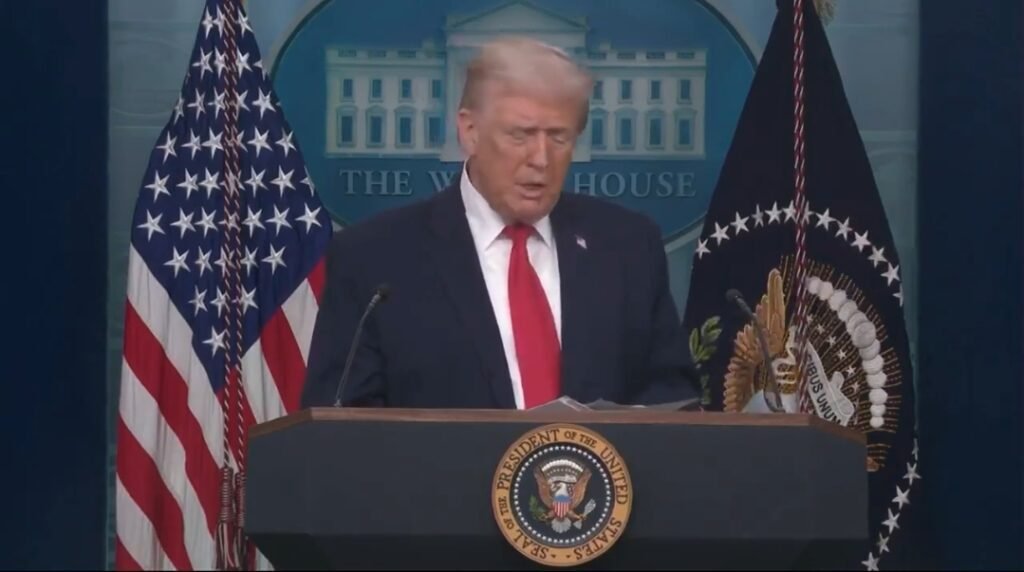
During the administration of former President Donald Trump, individuals seeking Green Cards, the permanent residency status in the United States, were subjected to intensified vetting processes concerning their views on Israel. This increased scrutiny aimed to identify potential security risks or individuals whose political stances might be deemed contrary to U.S. interests.
The Chenab Times has learned that the Department of Homeland Security, under the Trump administration, implemented stricter guidelines for reviewing the backgrounds of Green Card applicants. This policy shift particularly impacted those whose applications involved public expressions or affiliations related to political viewpoints, including stances on foreign policy issues such as the Israeli-Palestinian conflict.
The intensified review process reportedly involved a more thorough examination of social media activity, public statements, and organizational memberships of applicants. The objective was to flag individuals who might hold views considered extremist, anti-American, or supportive of groups deemed hostile to U.S. allies, with particular attention paid to advocacy for or against Israel. This measure was part of a broader effort to enhance national security and control immigration, as articulated by the administration at the time.
While specific numbers detailing the extent of this increased scrutiny are not publicly available, immigration attorneys and advocacy groups reported a noticeable uptick in requests for additional information and interviews concerning applicants’ political opinions. This included questions about their support for or opposition to Israeli government policies and the broader U.S. stance on the Middle East peace process. Such inquiries were often part of the mandatory background checks conducted by U.S. Citizenship and Immigration Services (USCIS) and other federal agencies involved in the immigration vetting process.
The policy reflected a broader trend during the Trump era of prioritizing national security and a more restrictive approach to immigration. The administration’s foreign policy also demonstrated strong support for Israel, and this internal vetting process appears to have aligned with those priorities, potentially disadvantaging applicants who held views critical of Israeli policies or expressed solidarity with Palestinian rights. The focus on political views, particularly concerning a sensitive geopolitical issue like Israel, raised concerns among civil liberties advocates about potential infringements on freedom of speech and political expression.
Immigration experts suggested that the heightened scrutiny could have disproportionately affected individuals from certain regions or those associated with particular academic or activist circles. The process was described as opaque, with limited transparency regarding the specific criteria used to deem an applicant’s views as problematic. This lack of clarity left many applicants uncertain about what constituted a disqualifying opinion, leading to anxiety and potential self-censorship.
The Trump administration’s approach to immigration was characterized by a series of executive actions and policy changes aimed at tightening borders and reducing the number of immigrants admitted to the country. This included stricter enforcement of immigration laws, increased deportations, and revised criteria for asylum and visa applications. The focus on political ideologies of Green Card seekers was one facet of this comprehensive strategy, designed to ensure that new permanent residents were perceived as aligned with American values and interests.
Following the conclusion of the Trump administration, there have been ongoing discussions and reviews of various immigration policies. While the specific directive regarding intensified scrutiny of views on Israel for Green Card applicants may have been superseded, the broader context of security vetting in U.S. immigration remains a critical aspect of national policy. The long-term impact of such policies on individuals and on the perception of the United States as a welcoming nation continues to be a subject of debate among policymakers and the public.
The practice highlighted the complex interplay between foreign policy, national security, and immigration in the United States. It underscored how political considerations can influence the application of immigration law, potentially creating barriers for individuals based on their expressed beliefs. The ongoing evolution of immigration policies ensures that such practices remain under scrutiny, with a continuous effort to balance security concerns with the principles of openness and individual freedoms.
The New York Times, which first reported on the increased scrutiny, cited immigration lawyers who described the process as more rigorous and time-consuming than in previous years. These legal professionals indicated that their clients were being asked more pointed questions about their political affiliations and statements, particularly those that could be interpreted as critical of the U.S. or its allies. The administration’s rationale, as understood by these sources, was to prevent individuals with potentially hostile ideologies from gaining permanent U.S. residency.
The scrutiny extended to applicants who might have participated in protests or advocacy campaigns related to the Israeli-Palestinian conflict. Even if these activities were considered lawful expressions of opinion, they could trigger deeper investigations into the applicant’s overall alignment with U.S. foreign policy objectives. This approach marked a departure from previous immigration practices, where political opinions were generally less of a direct barrier to permanent residency unless they directly involved terrorism or posed a clear threat to public safety.
The implications of such vetting processes are significant, potentially discouraging individuals from expressing their political views openly for fear of jeopardizing their immigration status. Civil rights organizations have consistently raised concerns that such policies could lead to a chilling effect on free speech and could unfairly target individuals based on their political beliefs rather than concrete security risks. The debate surrounding the balance between national security and civil liberties remains a persistent theme in U.S. immigration policy discussions.


Global Affairs Desk at The Chenab Times covers international developments, global diplomacy, and foreign policy issues through fact-based reporting, explainers, and analytical pieces. The desk focuses on major geopolitical events, diplomatic engagements, and international trends, with an emphasis on verified information, multiple perspectives, and contextual understanding of global affairs.