


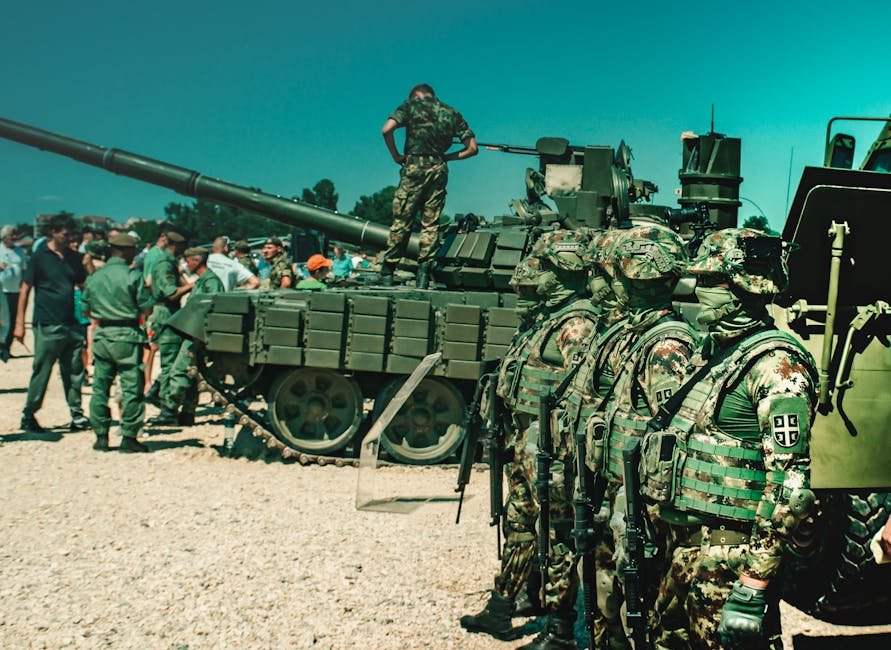
Shimla, Himachal Pradesh – A special lecture delving into the complexities of hybrid warfare and grey zone conflicts in the 21st century was organized at Himachal Pradesh University (HPU) on Thursday. The event, hosted by the Department of Defence and Strategic Studies, featured insights from an Army veteran on strategic lessons for India, particularly in the context of recent international conflicts.
Information was available with The Chenab Times that Colonel (Dr) Arun Sharma, an Army veteran currently leading the Army Heritage Museum at Annadale, Shimla, delivered the comprehensive address. His lecture, titled ‘Hybrid Warfare and Grey Zone Conflict in the 21st Century: Strategic Lessons for India from the Iran-Israel War’, provided a detailed examination of the current international strategic landscape and the evolving definitions of warfare.
Colonel Sharma articulated how contemporary conflicts, exemplified by the Russia-Ukraine war and the Iran-Israel confrontation, are increasingly deviating from traditional, purely conventional forms. He explained that these conflicts are morphing into hybrid warfare, a complex blend of conventional military actions, political maneuvering, economic pressure, and informational campaigns. This transformation, he highlighted, is significantly altering the dynamics of global conflicts and influencing ongoing geopolitical scenarios worldwide. He emphasized the shift in warfare strategies from traditional kinetic means, often involving physical force, towards technology-driven domains. This new paradigm, he noted, is characterized by a move “from bullets to algorithms,” underscoring the growing importance of digital and cyber capabilities in national security and strategic planning.
The lecture also touched upon the critical need for enhanced cyber preparedness as a cornerstone of national security. Colonel Sharma stressed that in an era where information flows instantaneously and is often a weapon in itself, a robust cyber defence infrastructure and proactive strategies are paramount for safeguarding national interests. The implications of these evolving threats require a nuanced understanding and adaptive strategies from military and governmental bodies alike.
Professor Harish Thakur of Himachal Pradesh University also shared his perspectives during the event, offering insights into the changing global order. He discussed the profound implications of these shifts for India’s position and strategic planning within the contemporary international environment. His remarks provided an academic context to the practical insights shared by Colonel Sharma, emphasizing the need for continuous evaluation of geopolitical developments and their impact on national security objectives.
The session saw active participation from 85 students hailing from the Departments of Defence and Strategic Studies, Political Science, and Public Administration. The interactive nature of the lecture facilitated a robust engagement between the students and the speaker, particularly during the question-and-answer segment. Students posed pertinent questions, demonstrating a keen interest in the multifaceted aspects of hybrid warfare, its origins, manifestations, and potential countermeasures. The discussions highlighted the students’ awareness of the evolving security challenges facing India and their desire to understand the strategic responses required.
The event at Himachal Pradesh University underscored the institution’s commitment to fostering an environment of informed discourse on critical national security issues. By bringing together experienced practitioners and academic scholars, the university aims to equip students with a deeper understanding of the complex threats and challenges that define modern warfare and international relations.


The Chenab Times News Desk