


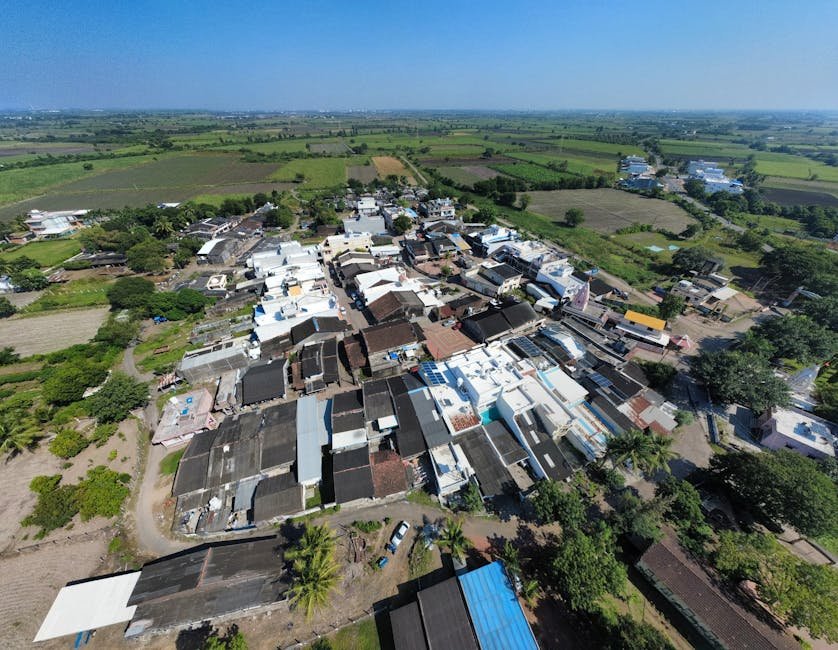
SRINAGAR: The Rural Development Department (RDD) Kashmir is constructing the region’s first community biogas plant with a capacity of 25,000 litres in the Pathribal Gund area of Ganderbal district. The project, undertaken as part of the Swachh Bharat Mission – Gramin (SBM-G), marks a significant step towards decentralized renewable energy generation and enhanced rural waste management in the Union Territory.
Information was available with The Chenab Times indicating that the project, estimated to cost Rs 35 lakh, is a component of a broader Union Territory-wide initiative aimed at establishing one such plant in every district of Jammu and Kashmir. Officials anticipate the Ganderbal facility will be the first in the Kashmir Valley to become operational.
The biogas plant will utilize the anaerobic digestion process, converting cattle dung sourced from the local community into methane-rich biogas and nutrient-rich slurry. Local households and dairy farmers will contribute feedstock on a rotational basis. The generated biogas is projected to fulfill the cooking fuel requirements for approximately 10 households. Simultaneously, the organic slurry produced will serve as a valuable manure for agricultural purposes, enhancing soil fertility and reducing reliance on chemical fertilizers.
Addressing the region’s climatic conditions, the digester is being fitted with a thermostatic control system to maintain optimal temperatures essential for microbial activity. Additionally, the plant will incorporate IoT-based sensors for real-time monitoring of critical parameters, including gas pressure, temperature, pH levels, and feedstock input, ensuring efficient and controlled operation.
The initiative is designed to diminish the dependence on conventional energy sources such as Liquefied Petroleum Gas (LPG) and firewood, while also providing a systematic approach to managing cattle waste. This not only offers an alternative energy source but also contributes to a cleaner environment by mitigating methane emissions from improperly managed animal waste.
A community participation model is central to the plant’s operational strategy. A user-group committee will be established to oversee the day-to-day operations, maintenance, and the equitable distribution of biogas among the beneficiaries. This model fosters local ownership and ensures the sustainability of the project.
Authorities have stated that this project is intended to serve as a demonstration model for similar community-scale biogas installations across the Union Territory. Its successful implementation in a high-altitude region like Ganderbal will highlight the feasibility and benefits of such decentralized renewable energy solutions in diverse geographical settings.


The Chenab Times News Desk