


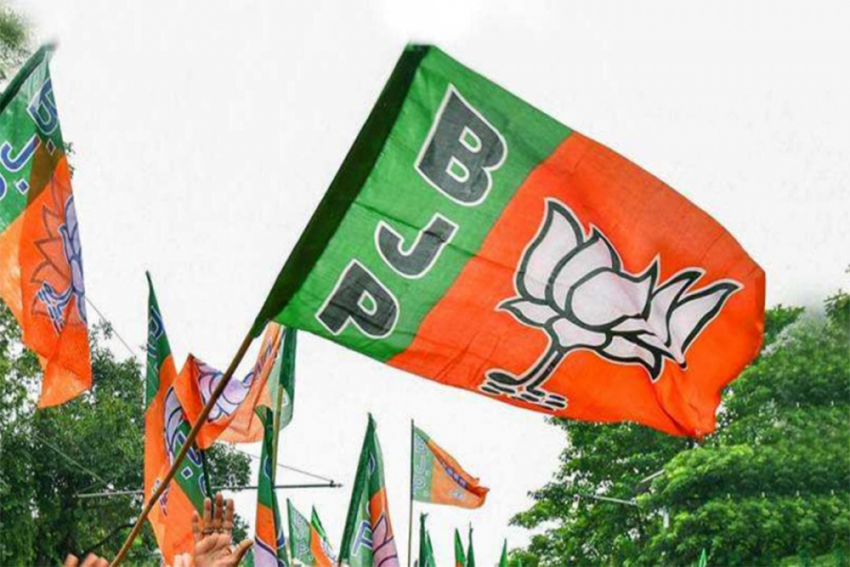
In a development that has drawn significant attention to the intricacies of India’s anti-defection law, Aam Aadmi Party (AAP) Rajya Sabha Member of Parliament Raghav Chadha has reportedly joined the Bharatiya Janata Party (BJP) along with six other AAP MPs. The move has been described by many observers as ironic, given Chadha’s previous legislative efforts aimed at strengthening the very law that allows for such defections.
Information was available with The Chenab Times that Chadha had, in August 2022, introduced a Private Member’s Bill in the Rajya Sabha. This bill sought to amend the Tenth Schedule of the Constitution, commonly known as the anti-defection law. The proposed amendments included raising the threshold required for a party split from two-thirds of legislators to three-quarters, and also proposed a six-year ban from contesting elections for individuals found to have defected from their party. The Tenth Schedule’s Paragraph 4 provides an exception to the anti-defection provisions, permitting members to avoid disqualification if at least two-thirds of the legislators in their party merge with another party or agree to such a merger.
The seven AAP Rajya Sabha MPs who have reportedly switched allegiance are Raghav Chadha, Sandeep Pathak, Ashok Mittal, Harbhajan Singh, Swati Maliwal, Vikramjit Singh Sahney, and Rajinder Gupta. Their defection, which constitutes a significant blow to the AAP’s parliamentary strength, was reportedly facilitated by the provisions of Paragraph 4 of the Tenth Schedule. This particular clause allows for a merger rather than a split, effectively enabling the MPs to switch parties without facing disqualification under the anti-defection statute. The Rajya Sabha Chairman, C.P. Radhakrishnan, on Monday accepted their merger with the BJP, a decision that came as the AAP’s plea for the disqualification of these members remained under consideration.
The Private Member’s Bill introduced by Chadha, which sought to increase the required majority for a merger to three-quarters, was designed to make it more difficult for legislators to switch parties. Had this bill been passed into law prior to the recent events, the path for Chadha and his fellow MPs to join the BJP might have been considerably more complex, potentially leading to their disqualification.
The anti-defection law, enshrined in the Tenth Schedule of the Constitution of India, was enacted to prevent political instability caused by elected representatives changing their party affiliations frequently. The law aims to ensure that legislators remain loyal to the party under whose ticket they were elected. However, exceptions, such as the one related to mergers where a significant majority of a party’s legislative strength agrees to join another, have often been a subject of debate and legal scrutiny.
The defection of MPs from one party to another has been a recurring theme in Indian politics, often leading to debates about ethical governance and the intent behind electoral mandates. The Tenth Schedule was introduced via the 52nd Amendment to the Constitution in 1985, aiming to curb such practices and promote party discipline. The law disqualifies a member of Parliament or a state legislature if they voluntarily give up their membership of a political party or vote in the house against the directions issued by their party. However, the ‘merger’ provision has historically been a point of contention, with varying interpretations and applications by courts and presiding officers of legislative bodies.
Raghav Chadha, a prominent young leader within the AAP, has been a vocal proponent of electoral reforms and clean governance. His proposal to strengthen the anti-defection law was seen by many as a progressive step towards political accountability. The current situation, where he is reportedly utilizing the existing provisions of the law in a manner that contrasts with his proposed amendments, has therefore sparked discussions about political pragmatism versus ideological consistency. The AAP has expressed its disappointment and has indicated that it will pursue all available legal avenues regarding the matter.
The implications of this widespread defection extend beyond the immediate political landscape of the AAP. It raises pertinent questions about the efficacy of the existing anti-defection framework and whether further legislative interventions are necessary to plug potential loopholes. The legal process following the merger acceptance by the Rajya Sabha Chairman will likely be closely watched, particularly concerning any challenges that may arise from the AAP or its supporters.
The political maneuver highlights the dynamic nature of party politics in India, where strategic alliances and shifts in allegiance can rapidly alter the parliamentary arithmetic. The contrasting stances on the anti-defection law, from legislative proposal to practical application, underscore the complex interplay between political strategy and constitutional provisions in the country’s democratic system.


The Chenab Times News Desk