


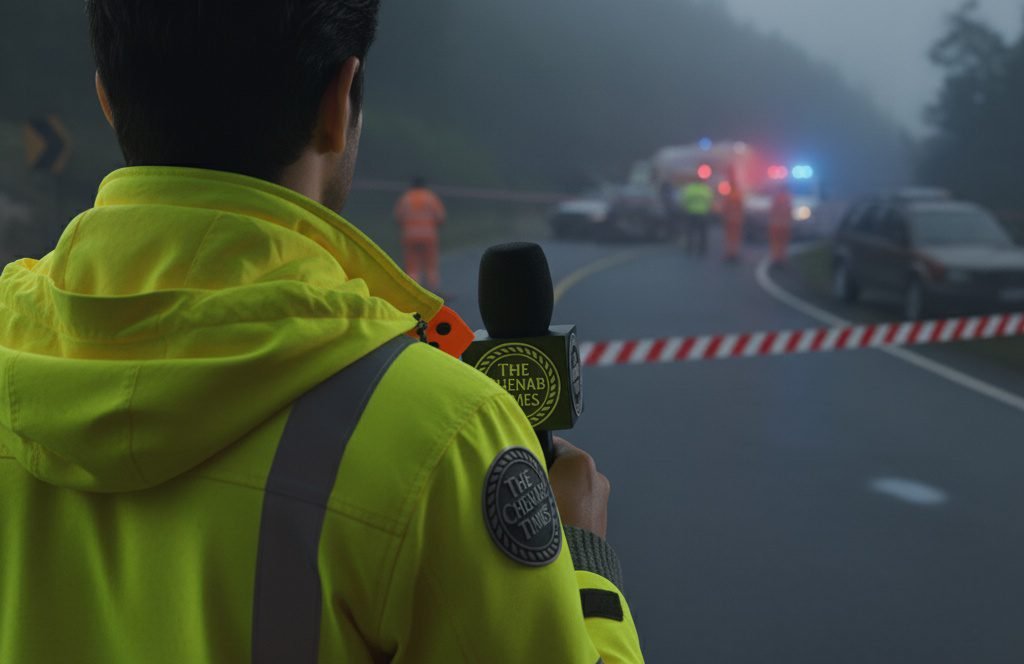
OOTY, Tamil Nadu: In a move aimed at curbing vehicular pressure and safeguarding the fragile ecosystem of the Mudumalai Tiger Reserve, authorities in the Nilgiris district have announced the closure of the Kalhatti Ghat Road to tourist vehicles. The decision, which aligns with previous High Court directives, seeks to manage traffic flow and reduce the impact of human activity on the region’s wildlife and natural environment.
The Kalhatti Ghat Road, a popular but challenging route connecting Udhagamandalam (Ooty) with the plains, has been a subject of concern for conservationists and authorities due to increased tourist traffic. The Madras High Court had previously ordered restrictions on tourist movement through this sensitive corridor, highlighting the rising number of accidents and the strain on the tiger reserve. The recent directive mandates that tourist vehicles will be barred from using the ghat road during the current summer season, with vehicles instead being rerouted via Gudalur.
Information available with The Chenab Times indicates that this measure is a reiteration of earlier court orders, underscoring the persistent issues surrounding the road’s use. While outstation vehicles were already restricted from descending the Kalhatti Ghat Road, the latest order aims to extend this prohibition to both ascent and descent for tourist vehicles, effectively limiting traffic flow through the core of the reserve.
Conservationists have largely welcomed the decision, arguing that reduced vehicular traffic will significantly decrease the instances of animals being hit by vehicles. Wildlife researcher N. Moinudheen highlighted that numerous animals, including civet cats, deer, and langurs, have lost their lives on this road due to collisions with vehicles. A study conducted over a ten-month period in the Mudumalai Tiger Reserve documented 343 incidents of wildlife fatalities involving mammals, reptiles, and amphibians. The increased tourist activity, often spurred by social media, has exacerbated the problem, impacting the local wildlife and the reserve’s delicate ecology.
The Kalhatti Ghat Road is known for its steep gradients and 36 hairpin bends, making it a challenging route. Its popularity as a “shortcut” from Bandipur and Mysore to Ooty has led to a surge in vehicular movement, posing risks not only to wildlife but also to tourists themselves. Several accidents, some fatal, have occurred on this stretch over the years, attributed to factors such as sharp turns, brake failures, and the risk of engine overheating for unprepared vehicles. The road’s narrowness and lack of adequate guardrails in certain sections further amplify these dangers.
The district collector’s office has instructed the police and forest departments to ensure strict implementation of the temporary ban. Signage will be erected to guide drivers to alternative routes, and periodic monitoring will be conducted to enforce the restrictions. Local residents, however, are expected to be exempt from the ban, with authorities likely to establish mechanisms for their identification and passage.
The closure is part of broader efforts to manage the influx of tourists during the summer season, a period that typically sees a significant rise in visitor numbers to the Nilgiris. Similar traffic management measures, including one-way regulations on ghat roads and restrictions on heavy vehicles, have been implemented in previous years to cope with the summer rush and ensure road safety.
This decision underscores the ongoing challenge of balancing tourism development with the imperative of environmental conservation in ecologically sensitive regions like the Nilgiris. The rerouting of traffic via Gudalur is expected to place additional pressure on that particular route, necessitating a comprehensive traffic management plan for the entire district.
The closure of the Kalhatti Ghat Road to tourists is intended to provide a much-needed respite for the wildlife within the Mudumalai Tiger Reserve and mitigate the environmental degradation associated with excessive vehicular traffic. The long-term effectiveness of this measure will depend on stringent enforcement and public cooperation in adhering to the designated alternative routes. The move also reflects a growing recognition of the need for stricter regulations in ecologically vital areas to protect biodiversity for future generations.
The authorities have also noted that during the summer, elephants from the Sigur plateau often descend the hills in search of water, and reduced traffic is expected to benefit them as well. The implementation of these restrictions is a critical step towards preserving the unique natural heritage of the Nilgiris district.


The Chenab Times News Desk