


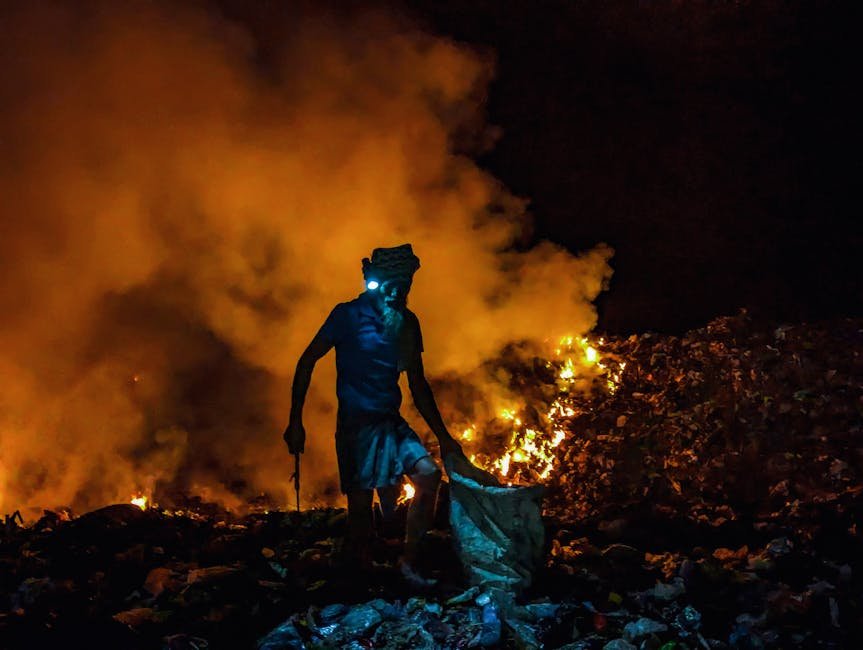
Residents across various localities in Chennai have voiced strong concerns over deteriorating air quality, attributing it to the persistent practice of illegal garbage burning. The noxious fumes emanating from these fires are reportedly causing a surge in respiratory ailments and other health complications among the populace.
The Chenab Times has learned that multiple wards have become chronic sites for this unlawful activity, with citizens bearing the brunt of its adverse effects. The phenomenon is particularly acute in areas where waste management infrastructure is perceived to be inadequate, prompting individuals to resort to burning refuse.
Mounting Health Concerns
The health implications of inhaling smoke from burning garbage are severe and far-reaching. Medical professionals have noted an increase in cases of asthma exacerbations, bronchitis, and other respiratory distress among children and the elderly. The smoke contains a cocktail of harmful pollutants, including particulate matter, carbon monoxide, nitrogen oxides, and various volatile organic compounds, all of which contribute to immediate and long-term health problems. Exposure can lead to coughing, wheezing, shortness of breath, and irritation of the eyes, nose, and throat. Chronic exposure has been linked to more serious conditions such as cardiovascular diseases and even cancer.
Environmental Degradation
Beyond the immediate health risks, the illegal burning of garbage poses a significant threat to the local environment. The practice contributes to air pollution, reduces visibility, and contaminates soil and water sources. Toxic chemicals released into the atmosphere can settle on nearby vegetation and enter the food chain, creating a broader ecological imbalance. The fires also exacerbate the urban heat island effect and contribute to greenhouse gas emissions, further compounding environmental challenges.
Calls for Action
Frustrated citizens have taken to social media and local forums to highlight the issue and demand action from municipal authorities. Petitions are being circulated, urging the Greater Chennai Corporation and the Tamil Nadu Pollution Control Board to intensify enforcement measures against those involved in illegal waste burning. Residents are calling for more frequent waste collection, the establishment of proper waste disposal and recycling facilities, and stricter penalties for offenders. Public awareness campaigns are also being advocated to educate communities about the dangers of garbage burning and promote responsible waste management practices.
Eyewitness accounts suggest that the burning often occurs in the late evenings or early mornings to avoid detection. The perpetrators are typically individuals or groups looking to dispose of waste quickly and cheaply, disregarding the public health and environmental consequences. Local authorities have acknowledged the problem and stated that they are increasing surveillance and patrol in affected areas. However, the scale of the issue and the transient nature of the offenders make enforcement a challenging task.
The situation underscores a critical need for a comprehensive and sustainable waste management strategy in Chennai. While enforcement is crucial, addressing the root causes, such as lack of adequate waste collection services and public awareness, is equally important to find a lasting solution to the problem of illegal garbage burning and its detrimental impact on public health and the environment.


The Chenab Times News Desk