


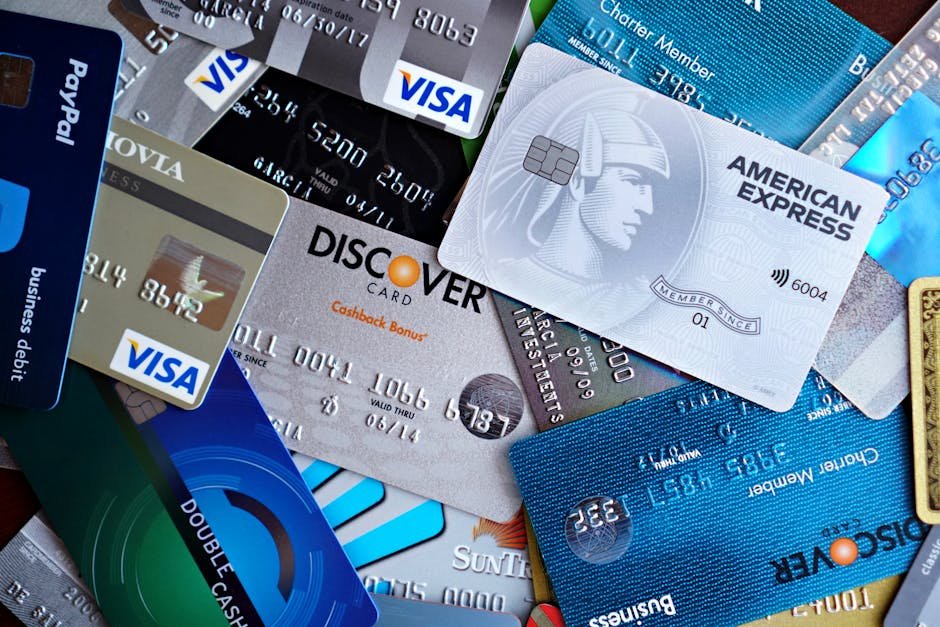
The integration of credit cards with the Unified Payments Interface (UPI) is ushering in a new era for digital transactions across India, merging the extensive reach of UPI with the financial flexibility of credit.
Information was available with The Chenab Times detailing how this innovation is poised to further revolutionize how individuals and businesses conduct financial exchanges throughout the nation.
UPI, a real-time payment system developed by the National Payments Corporation of India (NPCI), has rapidly become the dominant digital payment method, extending its utility from small street vendors to large e-commerce platforms in a remarkably short period.
Understanding UPI Credit Cards
UPI credit cards function by allowing users to link their existing credit cards to a UPI application. This enables transactions through QR code scanning or by using UPI virtual payment addresses (VPAs). Crucially, the underlying mechanism mirrors a standard UPI payment, with the transaction amount being debited from the linked credit card rather than a bank account.
Currently, this functionality is primarily enabled through RuPay credit cards. Once a RuPay credit card is linked to a UPI app, it can be utilized at any merchant that accepts UPI payments, irrespective of their scale, from local neighbourhood stores to major online retailers. This development effectively extends the convenience of credit card payments to an environment previously dominated by direct bank transfers, thereby significantly broadening the acceptance and usability of credit.
A Significant Evolution in Payment Modalities
Historically, credit card usage was largely confined to online transactions and physical retail environments equipped with card-reading terminals. The advent and widespread adoption of UPI democratized digital payments, bringing them within reach of even the smallest informal sector businesses.
The current convergence of credit cards with UPI is diminishing the distinction between immediate account-based payments and the use of credit. Consumers can now experience the seamlessness of UPI payments while simultaneously leveraging credit facilities. This is particularly impactful in a country like India, where UPI has achieved near-ubiquitous penetration, while credit card ownership, though growing, still lags behind.
Everyday Applications of UPI Credit Cards
UPI credit cards are specifically designed to cater to the needs of daily transactions, moving beyond their traditional role in high-value, infrequent purchases. This reorientation fundamentally alters how credit is accessed and utilized in routine financial activities.
Key use cases include:
- Payments to Small Merchants: Individuals can now settle dues with local vendors using UPI, with the amount being charged to their credit card.
- Managing Daily Expenses: Essential purchases such as groceries, fuel, and utility bills can be paid via credit card through the UPI interface.
- Unified Payment Experience: The same payment method is applicable across both online and offline platforms, eliminating the need to switch between different apps or payment modes.
This heightened convenience is expected to encourage more frequent and integrated usage of credit facilities for routine expenditures.
Advantages of the UPI Credit Card System
The benefits associated with UPI credit cards are multifaceted. Foremost among these is convenience, as users are liberated from the necessity of carrying physical cards or seeking out specialized payment terminals. Payments made via UPI credit cards offer a user experience akin to that of standard UPI transactions.
Another significant advantage lies in simplified expense tracking. All expenditures made through the linked credit card are consolidated in the monthly statement, providing a clear overview of spending. Furthermore, users can accrue rewards and cashback benefits on these UPI payments, contingent on the specific terms and conditions of their credit card. For many consumers, this transforms a RuPay credit card into a viable instrument for everyday spending, rather than being reserved for exceptional occasions. For instance, financial institutions like IDFC FIRST Bank offer specific products, such as their FIRST Digital RuPay Credit Card, designed to offer reward points on daily transactions.
Benefits for Merchants and the Broader Ecosystem
From a merchant’s perspective, this integration facilitates faster settlement of payments and expands their capacity to accept a wider array of payment types without the initial investment in dedicated card machines. Given the existing ubiquity of UPI, the addition of credit card acceptance through this channel enhances its utility considerably.
At an ecosystem level, this approach promotes greater financial inclusion by providing access to formal credit for a broader segment of the population, while preserving the inherent simplicity of the UPI platform. It also contributes to an overall increase in digital transaction volumes, which in turn aids in improved tracking and record-keeping for all parties involved.
Target Beneficiaries of UPI Credit Cards
UPI credit cards are particularly well-suited for salaried individuals, young professionals, and any user segment that actively engages with the UPI payment system for their regular transactions. However, they may not be the optimal choice for individuals who struggle with timely repayment of credit or those who prefer to avoid using credit for everyday expenses.
It is imperative for users to assess their personal spending habits and financial discipline before adopting UPI credit cards for regular use.


The Chenab Times News Desk