


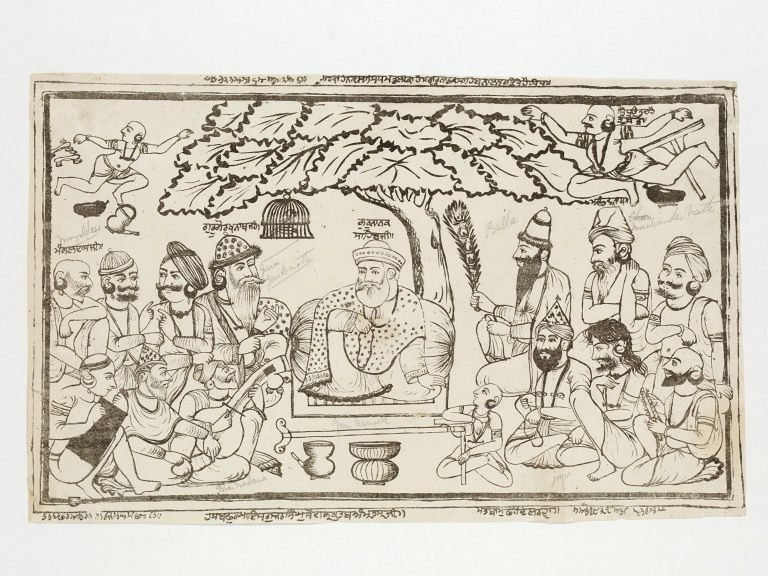
Uttar Pradesh is set to launch a new spiritual corridor focused on Guru Gorakhnath, the revered saint and founder of the Nath tradition. This initiative follows the state’s development of similar spiritual circuits dedicated to Lord Ram, Lord Shiva, and Lord Krishna in Ayodhya, Kashi, and Mathura, respectively. The proposed Guru Gorakhnath spiritual corridor aims to integrate various sites associated with the Nath sect, including temples, caves, and monasteries, into a cohesive and accessible route for pilgrims and devotees.
Gorakhpur as the Spiritual Epicenter
The Gorakhnath Temple in Gorakhpur, which is also the headquarters of the Gorakshapeeth and headed by Chief Minister Yogi Adityanath, will serve as the central hub of this new spiritual circuit. Sources indicate that the corridor will connect Nath tradition sites scattered across different regions, enhancing infrastructure and visitor facilities. The objective is to create a navigable route that promotes religious tourism and deepens engagement with the spiritual heritage of the Nath sect, whose followers are spread across India and Nepal.
Expanding Religious Tourism in Uttar Pradesh
The Uttar Pradesh government has been actively promoting religious tourism as a key driver for economic growth. The development of spiritual corridors is a strategic move to enhance the state’s appeal as a spiritual destination. Previously, the state announced five new spiritual corridors after the Maha Kumbh in Prayagraj in 2025. These included the Prayagraj–Vindhyachal–Kashi corridor for Shakti and Shiva worship, the Prayagraj–Ayodhya–Gorakhpur corridor linking to Lord Rama and Gorakhnath traditions, the Prayagraj–Lucknow–Naimisharanya route, the Prayagraj–Rajapur–Chitrakoot corridor, and the Prayagraj–Mathura–Vrindavan–Shuk Teerth corridor.
The proposed Guru Gorakhnath corridor is expected to integrate religious sites from diverse regions, including Mahoba and Chitrakoot in the Bundelkhand region, Bareilly in the west, Amethi and Ayodhya in central Uttar Pradesh, and stretching to Gorakhpur and Balrampur in the east. The Tourism and Culture Minister, Jaiveer Singh, stated that Gorakhpur will be the principal anchor and spiritual gateway of this circuit, drawing pilgrims from Nepal and other areas throughout the year.
Development and Investment in Gorakhpur
Gorakhpur itself is witnessing significant development, with a focus on enhancing its status as a religious and cultural hub. The Uttar Pradesh government has sanctioned approximately ₹45 crore for the development and beautification of ancient temples in rural Gorakhpur, aiming to upgrade facilities for pilgrims and tourists. This initiative seeks to restore the grandeur of rural shrines and improve the visitor experience. Gorakhpur is already home to prominent landmarks such as the Gorakhnath Temple, Shri Digambar Jain Temple, and Jatashankar Gurudwara, attracting millions of tourists annually. The city has also emerged as an investor-friendly destination, attracting substantial investments in industrial development, with projects like the Plastic Park and Garment Park underway.
The development of these spiritual corridors aligns with a broader vision to promote Uttar Pradesh as a premier destination for spiritual tourism, making pilgrimage journeys more accessible and enriching for devotees while fostering economic growth and preserving cultural heritage.


The Chenab Times News Desk