


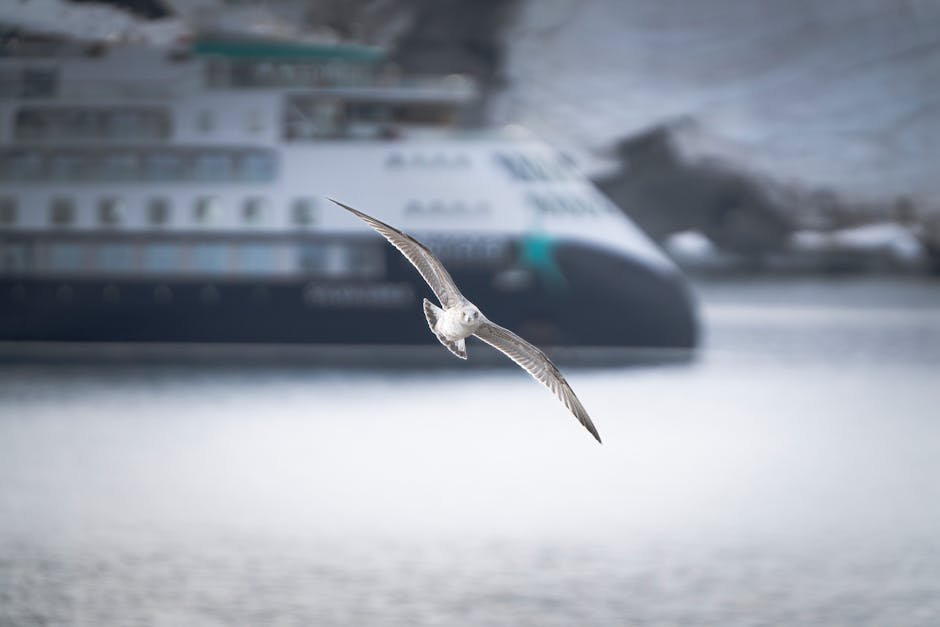
A cruise ship carrying nearly 150 people, the MV Hondius, has arrived in Spain’s Canary Islands, initiating the evacuation of passengers and crew following a deadly hantavirus outbreak. Three passengers, a Dutch couple and a German woman, have died from the virus, with several others falling ill.
The Dutch-flagged vessel arrived at the port of Granadilla on Tenerife on Sunday morning, escorted by a Civil Guard vessel. Regional authorities had initially resisted allowing the ship to dock, opting instead for it to remain offshore while passengers were screened and evacuated. The operation is being conducted under a tight schedule, with authorities aiming to complete all disembarkations by Monday due to prevailing weather conditions.
Passengers began disembarking in small groups, wearing protective gear, and were transferred to Tenerife South airport for repatriation flights. The evacuation process is complex, involving multiple flights organized for citizens of various countries, including Spain, the Netherlands, Germany, Belgium, Greece, Canada, Turkey, France, Great Britain, Ireland, the United States, Australia, New Zealand, and the Asian region.
Spain’s Health Minister, Monica Garcia, was present at the port, confirming that the operation was proceeding normally. Spanish citizens were prioritized for disembarkation, followed by a flight bound for the Netherlands. Subsequent flights are scheduled to transport passengers to their respective home countries. A final flight to Australia is slated for Monday, intended to collect any remaining passengers.
The World Health Organization (WHO) has confirmed six cases out of eight suspected hantavirus infections associated with the outbreak on the MV Hondius. According to the WHO, all individuals on board are considered high-risk contacts, though the overall public health risk to the general population and the residents of the Canary Islands is assessed as low. The specific strain identified, the Andes virus, is known to be transmissible from person to person, which had fueled international concern.
The MV Hondius departed from Ushuaia, Argentina, on April 1 for a voyage across the Atlantic Ocean. Health officials believe the first infections likely occurred in Argentina or Chile prior to the ship’s departure, given the virus’s incubation period. It is unlikely that the outbreak originated on the ship itself, as there were no reports of rodents onboard.
Health authorities in various countries are monitoring passengers who had previously disembarked from the ship in late April, as well as individuals who may have had contact with those infected. In the United States, several states are monitoring passengers who have returned to the U.S. after being aboard the MV Hondius. The U.S. government has deployed a team of epidemiologists and medical professionals to the Canary Islands to assess the risk for American passengers and provide guidance for monitoring. Returning American passengers are expected to undergo assessment and monitoring at the National Quarantine Center at Offutt Air Force Base in Omaha, Nebraska.
Hantaviruses are a group of viruses spread primarily by rodents. While most infections occur through contact with rodent excreta, person-to-person transmission is possible with certain strains, such as the Andes virus. Symptoms typically include flu-like illnesses, which in severe cases can lead to respiratory arrest and be fatal. There are no vaccines or specific treatments for hantavirus infections.


Global Affairs Desk at The Chenab Times covers international developments, global diplomacy, and foreign policy issues through fact-based reporting, explainers, and analytical pieces. The desk focuses on major geopolitical events, diplomatic engagements, and international trends, with an emphasis on verified information, multiple perspectives, and contextual understanding of global affairs.