


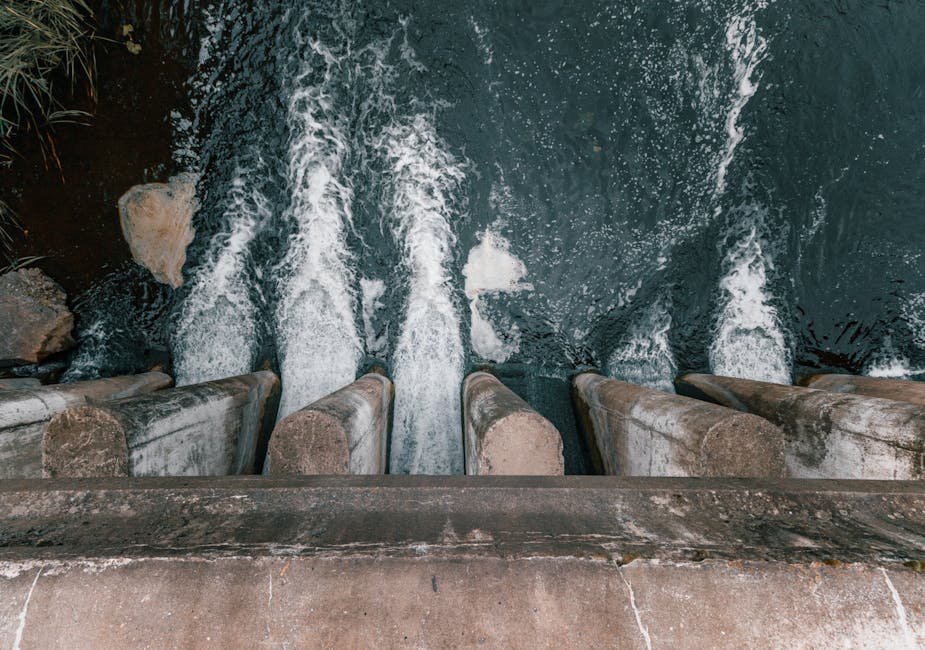
An ancient Sri Madhava Perumal Temple, submerged for decades within the Bhavanisagar Dam in Tamil Nadu’s Erode district, has reappeared due to a significant drop in water levels. The temple, believed to be over 750 years old, is now visible as the reservoir’s water level has fallen to less than 46 feet, a stark contrast to its full capacity of 105 feet.
The emergence of the temple has drawn the attention of tourists and history enthusiasts, eager to explore its historical significance. Inscriptions found within and around the temple complex suggest the existence of a 1,000-year-old trade route connecting the Kongu region of western Tamil Nadu with parts of southern Karnataka and Kerala. This ancient route, known as ‘peruvali’ or a trunk road, facilitated trade across the Bhavani and Moyar rivers.
The historical findings indicate that the area was once a flourishing village named Thuravalur, featuring a temple dedicated to Lord Shiva (Thondreeshwaramudiayar) and serving as a vital point for traders. Researchers from the Yaakkai Heritage Trust have been studying the inscriptions, some dating back over a millennium. These inscriptions provide insights into the region’s past, including its connection to the Hoysala rulers, with mentions of King Veera Ballala III.
The Bhavanisagar Dam, also known as the Lower Bhavani Dam, was constructed between 1948 and 1955. The dam’s construction led to the submersion of the ancient temple and the village of Thuravalur. The project, one of India’s first major post-independence irrigation initiatives, was designed to meet the irrigation and water supply needs of the Kongu region.
This is not the first time the submerged temple has become visible. During periods of low water levels in 2018, the temple’s roof was also seen. Local archaeologists and historians believe that further decreases in the water level might reveal more ancient structures and artifacts from the submerged settlement, including remnants of the Dhananayakan Fort, which is also believed to lie beneath the dam’s waters.
The dam division of the Water Resources Department has put up banners around the dam, cautioning visitors against entering the temple area due to its dilapidated condition and the inherent risks associated with the low water levels. Despite these warnings, the site continues to attract a considerable number of visitors, many of whom are exploring the area using coracles.


The Chenab Times News Desk