


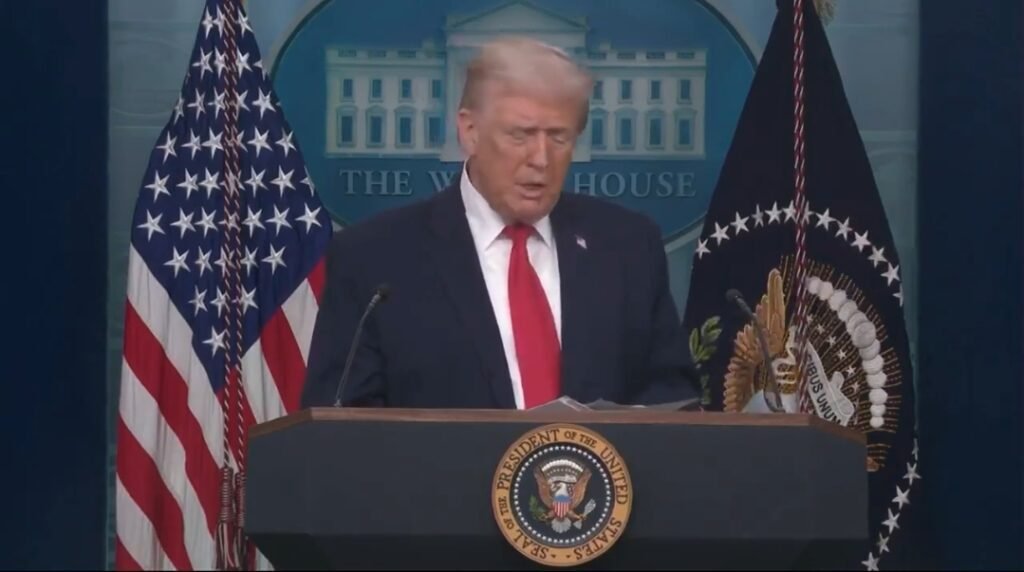
The U.S. Department of Justice is reportedly finalizing plans to establish a ‘Truth and Justice Commission’ with the intention of compensating individuals who claim to be victims of government ‘weaponization.’ Sources indicate this initiative is linked to President Donald Trump’s ongoing lawsuit against the Internal Revenue Service.
The proposed commission and a compensation fund of approximately $1.776 billion are part of deliberations between the White House and the Justice Department. The substantial sum, with the figure referencing the nation’s founding year, is intended to address claims made by Trump’s allies. This development follows months of discussions aimed at resolving the conflict of interest arising from President Trump’s lawsuit against federal agencies he oversees.
According to sources familiar with the discussions, Justice Department lawyers had initially explored legal justifications for the settlement to compensate Trump directly. They cited the ‘rule of necessity,’ a legal principle suggesting that when no alternative exists, a person in a position of authority may act in a matter where they have a personal interest. However, this approach was reportedly abandoned as the judge overseeing Trump’s IRS lawsuit began to question the adversarial nature of the case, given the President’s direct control over the defendants.
U.S. District Judge Katheen Williams had ordered both parties to submit filings justifying whether the case could proceed, highlighting concerns about the President suing the very government he leads. The terms of the proposed compensation arrangement are subject to change before any finalization.
The concept of a ‘Truth and Justice Commission’ aligns with the general definition of such bodies, which are official entities tasked with discovering and revealing past wrongdoing, often in an effort to resolve lingering conflicts. These commissions, while not typically judicial in nature, can investigate abuses, identify patterns, uncover root causes of violence, and issue reports with recommendations. They are often established in states emerging from periods of unrest, civil war, or dictatorship marked by human rights abuses, aiming to provide a measure of justice for victims and prevent recurrence.
The creation of such a fund has drawn criticism from some Democrats, who have referred to it as a potential ‘slush fund’ for the President’s allies. Reports suggest that hundreds of individuals, including those charged in relation to the January 6, 2021 events, have already begun pursuing claims for compensation from the federal government. Some legal experts and former Justice Department officials have expressed concerns that such payouts, particularly when not mandated by court rulings, could undermine the rule of law and send an inappropriate message.
In parallel, the Justice Department has reportedly been pursuing other cases and initiatives. Recent reports indicate the department is examining materials tied to officials who investigated Trump and his allies, with a unit described by some sources as a ‘payback squad.’ While a senior FBI official denied the existence of such a unit by that name, they confirmed the presence of a Director’s Advisory Team looking into such matters.
The Justice Department’s broader mission includes enforcing the law, defending U.S. interests, ensuring public safety, preventing crime, seeking just punishment for offenders, and ensuring the fair administration of justice. However, the current proposal for a ‘Truth and Justice Commission’ to compensate allies marks a unique approach within its operational framework, with the potential to reshape how certain legal claims against the government are addressed.


Global Affairs Desk at The Chenab Times covers international developments, global diplomacy, and foreign policy issues through fact-based reporting, explainers, and analytical pieces. The desk focuses on major geopolitical events, diplomatic engagements, and international trends, with an emphasis on verified information, multiple perspectives, and contextual understanding of global affairs.