


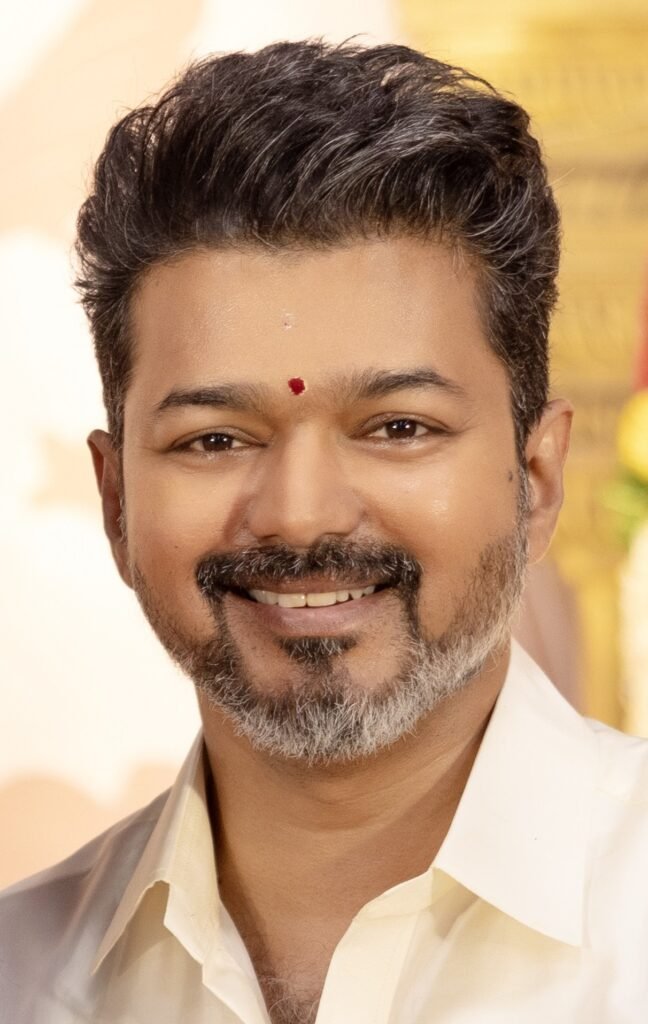
Chennai: In a significant development, the newly expanded Tamil Nadu Cabinet, led by Chief Minister C. Joseph Vijay, has achieved the highest representation for Scheduled Caste (SC) members to date. The recent induction of 23 ministers has brought the total number of SC representatives in the council of ministers to seven, marking a historic milestone in the state’s political landscape.
Cabinet Expansion Sets New Precedent for Social Justice
The expansion ceremony, held on Thursday, May 21, 2026, at Raj Bhavan in Chennai, saw Governor Rajendra Vishwanath Arlekar administering the oath of office to the new ministers. Following this expansion, the total strength of Chief Minister Vijay’s cabinet has reached 33, with two remaining vacancies out of a sanctioned strength of 35. This move is being hailed as a progressive step towards ensuring social justice and equitable representation within the state government.
Information was available with The Chenab Times that the previous highest representation of SC members in a Tamil Nadu cabinet was four, which occurred during the MK Stalin government in 2024. The current cabinet surpasses this record, with seven SC ministers now holding positions. This increase underscores a concerted effort to reflect the state’s demographic diversity in its governance structure.
Key Inductions and Portfolio Allocations
Among the notable inductions from the Scheduled Caste community are S. Kamali from Avinashi, V. Gandhiraj from Arakkonam, P. Mathan Raja from Ottapidaram, D. Logesh Tamilselvan from Rasipuram, and K. Thennarasu from Sriperumbudur. Additionally, Congress MLA P. Viswanathan, representing the Melur constituency, also belongs to the SC community and has been allocated the Higher Education portfolio. Rajmohan, who was sworn in earlier, continues to hold the School Education Department, making both education-related portfolios significant in their allocation to SC members.
The expansion also saw the inclusion of four women ministers, setting another state record. This surpasses the previous record of three women ministers during the 2011-2016 AIADMK government led by J. Jayalalithaa. The inclusion of women in such significant numbers highlights a broader commitment to gender equality in governance.
Political Context and Coalition Dynamics
The Tamilaga Vettri Kazhagam (TVK)-led government, which took shape after the 2026 Tamil Nadu Assembly elections, has been actively forming a coalition. The TVK secured 108 out of 234 seats, necessitating support from allied parties, including the Congress, CPI-M, CPI, VCK, and IUML. The recent cabinet expansion also signifies the integration of new allies, with the Viduthalai Chiruthaigal Katchi (VCK) and the Indian Union Muslim League (IUML) being part of the government for the first time.
The inclusion of Vanni Arasu from VCK and A.M. Shahjahan from IUML further diversifies the cabinet. Vanni Arasu has been assigned the Adi Dravidar Welfare and Hill Tribes portfolio, now known as Minister for Social Justice, while Shahjahan will serve as the Minister for Minorities Welfare. These appointments are crucial for addressing the specific needs and concerns of various communities within the state.
Historical Significance of SC Representation
The presence of individuals from the SC community in the State Cabinet dates back to the Madras Presidency era. However, the current expansion represents an unprecedented level of inclusion. Political analysts have noted that having seven SC members in the cabinet is a progressive change, reflecting a maturing political landscape that increasingly values diversity and social inclusion. The average age of the ministers in this new cabinet also indicates a generational shift, with a significant number of ministers being under 50 years old, suggesting a move towards younger leadership in Tamil Nadu politics.


The Chenab Times News Desk