


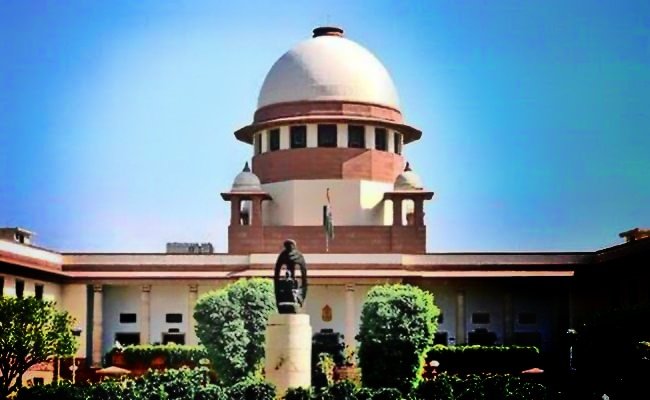
A plea has been filed in the Supreme Court of India requesting an investigation into alleged fraudulent activities associated with the ‘Cockroach Janta Party’ (CJP), a recently emerged satirical digital entity, and concerns surrounding the proliferation of fake advocates practicing law with invalid degrees.
Information was available with The Chenab Times that the petition also seeks action against individuals purportedly involved in the commercial exploitation of oral observations made during court proceedings. The plea highlights a worrying trend where judicial remarks are allegedly being weaponised for publicity campaigns, undermining the integrity of legal processes.
The ‘Cockroach Janta Party’ gained notoriety following a controversy surrounding remarks attributed to Chief Justice of India (CJI) Surya Kant during a hearing on May 15. The remarks, which reportedly involved terms like ‘cockroaches’ and ‘parasites’, were made during a court session concerning a plea related to the senior designation for a lawyer.
In response to the media coverage, the Chief Justice of India issued a strong clarification on May 16. He expressed his distress over media reports that appeared to suggest his criticism was directed at the youth. The CJI emphasized that his comments were specifically aimed at individuals attempting to enter the legal profession through deceptive means, employing ‘fake and bogus degrees’. He further stated that his observations were misrepresented by certain sections of the media.
The petition before the Supreme Court draws attention to the broader issue of individuals allegedly practising law without legitimate qualifications. It points to a systemic vulnerability where fraudulent degrees might be used to gain access to the legal profession, posing a risk to the justice system and the public.
The use of judicial pronouncements for publicity campaigns is another significant concern raised in the plea. It suggests that remarks made during open court sessions are being taken out of context and disseminated for purposes unrelated to the actual legal proceedings, potentially creating public misperceptions or influencing opinions through non-judicial channels. This practice, if proven, could amount to an abuse of court processes.
The emergence of the CJP as a satirical outfit that quickly gained traction on social media adds another layer to the plea. While presented as satirical, its timing and association with the CJI’s remarks have drawn scrutiny, leading to the current demand for an investigation into its activities and the broader ecosystem it represents.
The Supreme Court is expected to consider the gravity of the allegations, which touch upon the sanctity of the legal profession, the integrity of judicial proceedings, and the responsible reporting by media outlets. The outcome of the plea could have implications for regulatory oversight of legal practice and the digital dissemination of information related to court matters.
This development underscores the ongoing challenges faced by the judiciary in maintaining public trust and ensuring that legal processes are not subverted for personal or commercial gain. The call for a probe indicates a growing concern among stakeholders about the mechanisms in place to safeguard against professional misconduct and the misuse of judicial proceedings in the digital age.


The Chenab Times News Desk