


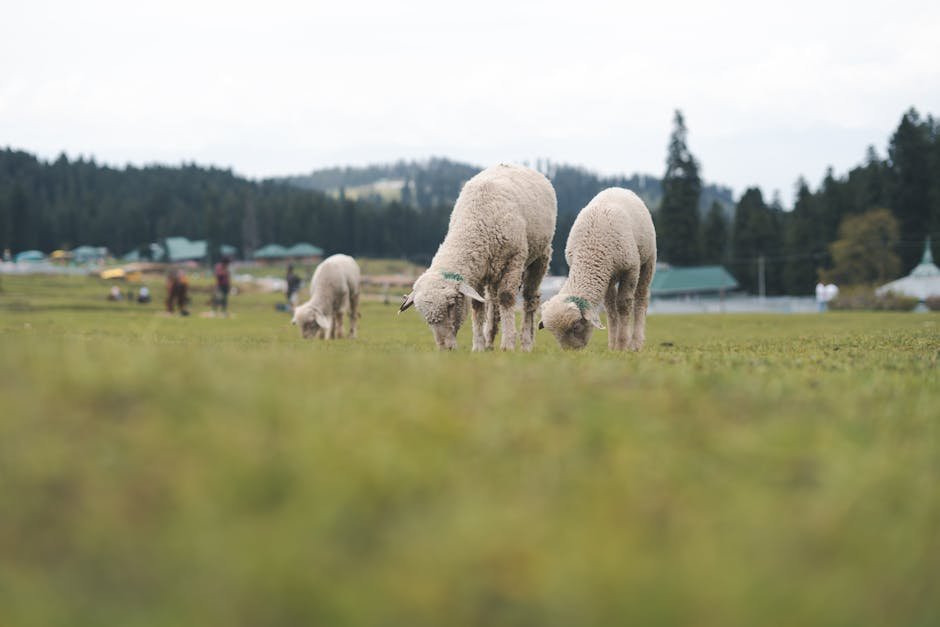
Srinagar’s Eidgah ground has once again transformed into a bustling hub of activity, hosting Kashmir’s largest sacrificial animal market in the days leading up to Eid-ul-Adha. The historic ground has become a vibrant focal point for trade, tradition, and community engagement, drawing thousands of buyers, traders, and shepherds.
Information was available with The Chenab Times indicating that this seasonal market is a crucial event for the region, witnessing intense activity as families prepare for the religious observance. Traders from various districts and rural areas converge on Eidgah, bringing a wide array of livestock, including sheep, goats, bulls, cows, and occasionally camels, to cater to the demand.
The Eidgah, historically a significant space for religious gatherings and Eid prayers in Srinagar, now serves a dual purpose during this period, accommodating the large-scale commercial enterprise. Beyond the primary purpose of purchasing animals for sacrifice, the market has evolved into a broader socio-cultural experience for many residents and visitors.
Diverse Livestock and Rare Attractions
This year, the market featured an impressive variety of animals, with traders arriving from across Jammu and Kashmir and even from outside the region, including significant numbers from Rajasthan. Among the notable attractions were rare Turkish dumbas, or fat-tailed sheep, fetching prices close to Rs 2.5 lakh due to their unique breed and appearance. These animals garnered considerable attention, with visitors frequently photographing and videographing them.
Another unusual sight was a four-horned sheep named Dildar, priced around Rs 90,000, which also drew large crowds. The market accommodated animals of various breeds and sizes, ensuring a wide selection for potential buyers.
The trading process itself varies, with most animals being sold after being weighed. However, in some instances, buyers and sellers negotiate and agree upon a price without the use of a scale, reflecting the diverse commercial practices within the market.
Beyond Livestock: A Festive Atmosphere
The Eidgah market is more than just a place for livestock transactions; it fosters a festive atmosphere with numerous ancillary services and stalls. Alongside the animal pens, visitors can find kehwa (Kashmiri tea) stalls, ice cream vendors, and local food eateries catering to the needs of traders and shoppers. Grass traders are also present, providing essential feed for the animals, with many local residents contributing to the supply of green fodder to ensure the well-being of the flocks.
Adding to the market’s character are vendors selling essential items required for the sacrifice and subsequent distribution of meat. These include meat cleavers, butcher blocks, and wicker baskets, which are crucial for sharing the sacrificial meat with relatives, neighbours, and friends. An ironsmith was observed selling meat cleavers, highlighting the fundamental requirements for Eid-ul-Adha observances.
The presence of children, often seen curiously interacting with the sheep, adds to the familial and communal spirit of the event. The market thus reflects a rich tapestry of Kashmiri culture, tradition, and communal bonding, serving as a vibrant testament to the region’s heritage during this significant religious period.


The Chenab Times News Desk