


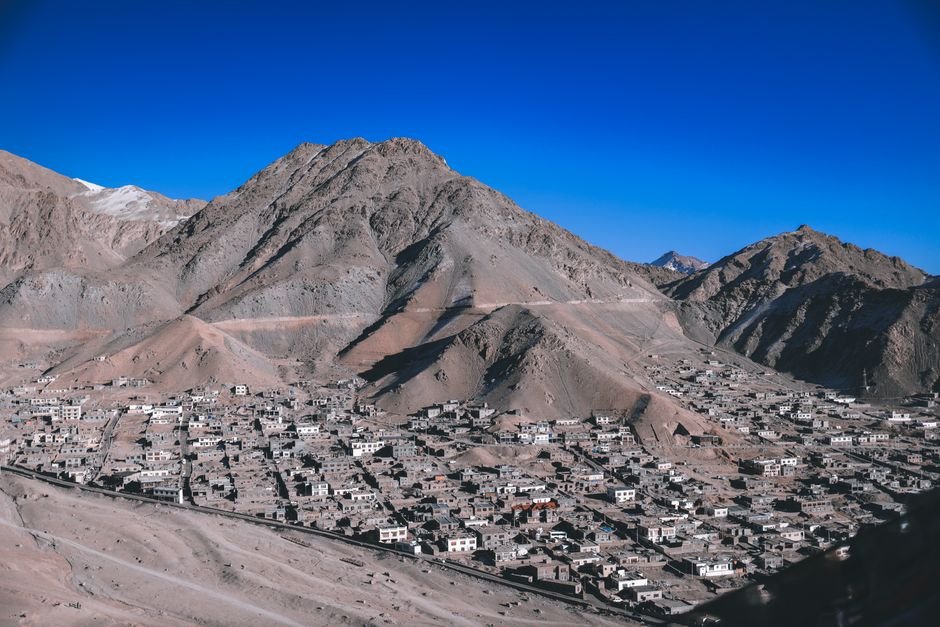
SRINAGAR: In the remote village of Chilling, nestled along the Zanskar River in Ladakh, a centuries-old tradition of copper craftsmanship is being kept alive by a dwindling number of artisans. Despite economic challenges and the lure of modern professions, the community continues to preserve its unique metalworking heritage.
A Legacy Carried Through Generations
Information was available with The Chenab Times that Chilling, renowned across Ladakh for its indigenous metal artisans, has for generations been the source of intricate copper, brass, and silver artefacts. These creations serve vital roles in monasteries, households, and ceremonial practices throughout the region. Located approximately 60 kilometres from Leh, the village stands as one of the last bastions of traditional metalwork in the trans-Himalayan landscape.
The origins of this craft are believed to date back to the medieval period, with historical accounts suggesting the arrival of Newari metalworkers from Nepal in the 17th century during the reign of King Delden Namgyal. According to oral traditions passed down through artisan families, these craftsmen were initially invited to construct a large statue of Buddha Sakyamuni at Shey Monastery. Following this commission, they were granted royal patronage and land, leading to their permanent settlement in Chilling.
Distinct Ladakhi Artistic Style
Over the centuries, the artisans of Chilling developed a distinct Ladakhi style of metalwork. They expertly combined copper and brass to fashion items such as teapots, ritualistic implements, butter lamps, prayer wheels, incense burners, bowls, and various household utensils. These objects became deeply integrated into the daily lives and Buddhist traditions of the Ladakhi people.
The copperware from Chilling is particularly recognized for its elaborate detailing. Artisans often incorporate dragon motifs, floral patterns, and religious symbolism, drawing inspiration from Tibetan Buddhist art. In contrast to the predominantly engraved metalwork found in Kashmiri traditions, Ladakhi artisans traditionally focused on crafting simpler copper forms and then embellishing them with carved brass plates, decorative bands, and ornate handles.
Monastic and Household Significance
Many of the artefacts produced in Chilling continue to be used in monasteries throughout Ladakh. These include essential items such as butter lamps, prayer bowls, copper jars, musical instruments, and various ceremonial implements. Likewise, traditional Ladakhi households maintain a strong reliance on handcrafted copper teapots, bowls, and storage vessels, which are valued both for their functionality and their cultural significance within the community.
Historians and researchers note that the metalworking tradition of Chilling serves as a reflection of Ladakh’s historical position as a crucial junction connecting Kashmir, Tibet, and Central Asia. The craft’s evolution was significantly shaped by Buddhist monastic culture, Tibetan artistic influences, and the established trade links with Kashmir. Ladakhi coppersmiths have historically maintained enduring commercial and cultural exchanges with the Kashmir Valley.
Challenges and Preservation Efforts
Despite its rich historical importance, the craft of metalworking in Chilling now confronts an uncertain future. What was once a thriving community of artisans has dwindled to only a handful of families who continue to practice metalwork as their primary livelihood. Many younger generations have sought alternative professions, driven by declining demand for traditional crafts, escalating production costs, and the increasing competition from affordable, mass-produced copperware manufactured outside Ladakh.
Artisans also highlight the scarcity of traditional raw materials, such as the quality coal that was once readily available locally, as a factor further increasing production expenses. Handmade items, some of which require weeks or even months to complete, face significant challenges in competing within commercial markets dominated by mass-produced goods.
Nevertheless, concerted efforts are underway to preserve this valuable craft and its associated history. Museums and local heritage initiatives in Chilling are now dedicated to showcasing centuries-old tools, artefacts, and traditional workshops. Concurrently, researchers and cultural organizations are actively engaged in documenting the unique artistic legacy of the village.
Beyond its artisan heritage, Chilling is also recognized as the starting point for the famous Chadar Trek, which traverses the frozen Zanskar River during the winter months, drawing adventurers and culture enthusiasts alike. For Ladakh, Chilling represents more than just a village; it stands as a living archive of Himalayan craftsmanship, where metal, memory, and history continue to be shaped by hand.


The Chenab Times News Desk