


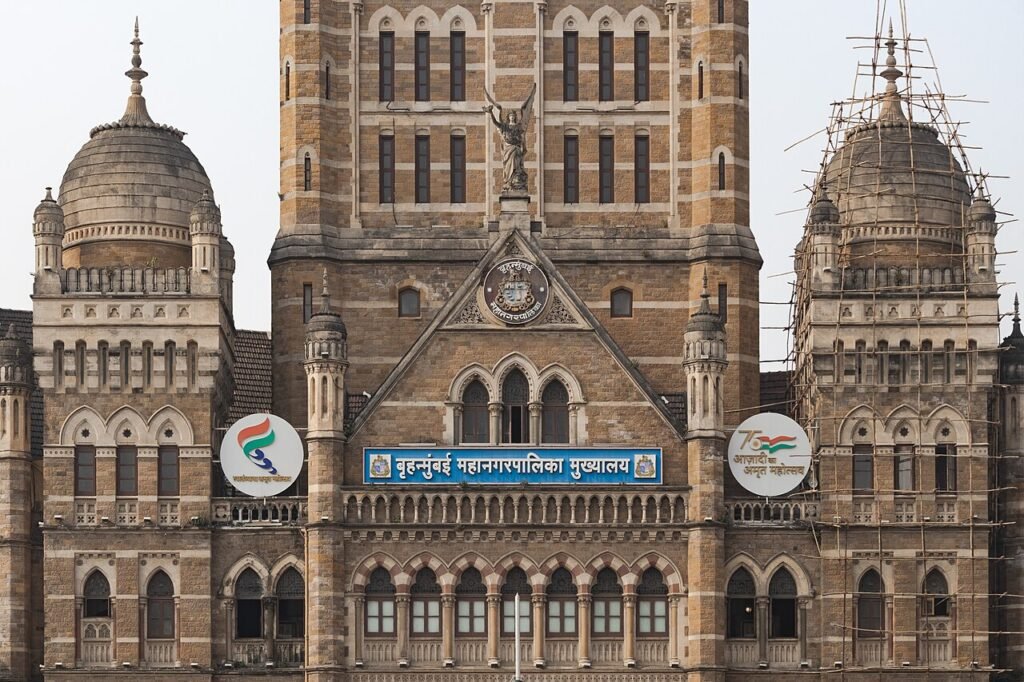
Mumbai is grappling with an escalating water crisis as the Mumbai Water Tanker Association (MWTA) has initiated an indefinite strike, disrupting a vital supplementary water source for thousands of households, businesses, and informal settlements. This strike coincides with a 10 per cent water cut imposed by the Brihanmumbai Municipal Corporation (BMC) due to dwindling water stocks in the city’s reservoirs, exacerbating the water shortage across the metropolis.
Tanker Operators Protest Groundwater Extraction Norms
The core of the MWTA’s protest lies in their demand for amendments to the latest guidelines issued by the Central Ground Water Authority (CGWA) concerning groundwater extraction. Tanker operators, who source water from privately owned wells, argue that the current regulations, particularly those mandating digital water flow meters with telemetry systems and specific land parcel requirements for licensing, are stringent and difficult to meet, especially in an urban setting like Mumbai. They are also demanding a halt to any coercive actions against them until these amendments are implemented.
The MWTA claims that the CGWA norms are being enforced harshly and selectively in Mumbai. This has led to notices being issued to well owners and borewell operators, asking them to cease supplying water to tankers and obtain fresh licenses. The regulations require a land parcel of at least 200 square metres around each well and permit only one tanker to fill from a single well, conditions that many operators find unfeasible.
Impact on City Life and Infrastructure
The strike has had an immediate and significant impact on daily life in Mumbai. Numerous housing societies, particularly those located on higher elevations or lacking adequate conventional water networks, are heavily reliant on private tankers for their daily water needs. The disruption has forced many societies to ration their supplies, with some enforcing water cuts for up to nine hours daily. This has led to increased dependency on expensive tanker water, with prices reportedly doubling in some instances, with vendors demanding up to Rs 6,500 for a 20,000-litre tanker.
Commercial establishments have also been affected, with some offices compelled to implement work-from-home policies to manage the water shortage, impacting daily wage earners. The impact has extended to critical infrastructure as well. Western Railway reported a 20 per cent water shortfall at key stations, forcing it to shift train watering activities to other cities and suspend coach washing. Major BMC infrastructure projects, such as the Coastal Road and Goregaon-Mulund Link Road, have also felt the pinch, as tanker water is often used in construction processes.
BMC Considers Emergency Measures
Faced with the escalating crisis and pressure to restore essential services, the Brihanmumbai Municipal Corporation (BMC) is reportedly considering invoking the Disaster Management Act, 2005. This act was previously used in April 2025 during a similar tanker strike, allowing authorities to temporarily requisition private water tankers, wells, and borewells to ensure the continuity of water supply. The civic body is under pressure to find a swift resolution to alleviate the hardship faced by residents and maintain the city’s operations.
The current water shortage is compounded by the already strained supply situation, with water stocks in the seven lakes catering to Mumbai having dipped to critically low levels, reported at just 13% of their total capacity. This has prompted the BMC to urge citizens to use water judiciously even before the strike began. The Mumbai Water Tanker Association, representing around 2,000 tankers with capacities ranging from 500 to 30,000 litres, supplies between 200 million litres per day (MLD) and 2,000 MLD to various establishments across the city.


The Chenab Times News Desk