


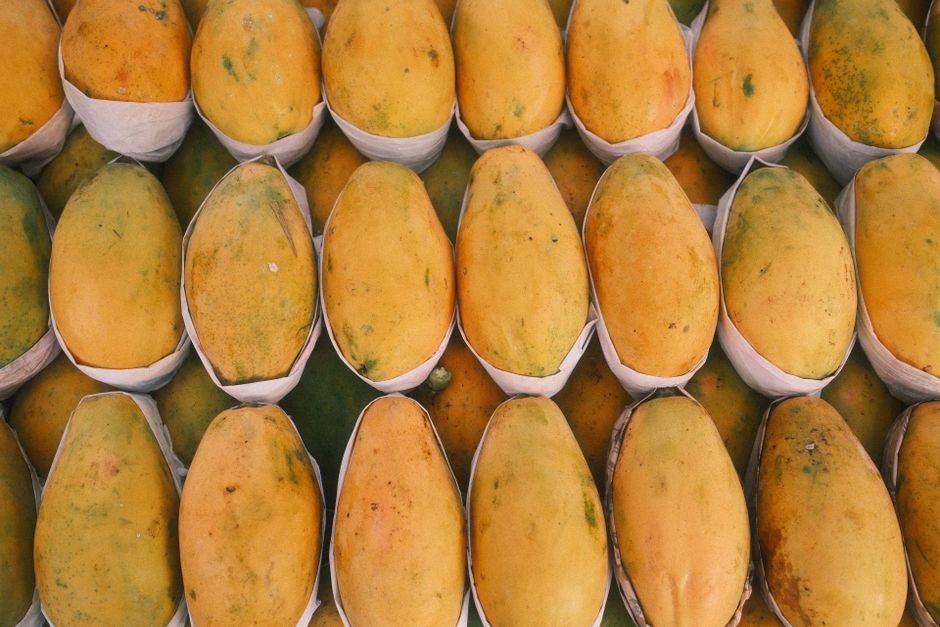
Mango enthusiasts often debate the merits of various cultivars, but for those who cultivate these beloved fruits, the preference runs deep, rooted in tradition, taste, and local significance. Farmers across Kerala, Karnataka, Tamil Nadu, and Telangana have shared their personal favourites, highlighting a spectrum of unique mangoes that extend beyond the commonly known varieties.
Regional Palates: A Farmer’s Choice
In the lush landscapes of Kerala, where mangoes are an integral part of the culinary heritage, farmers often gravitate towards varieties that possess a distinct aroma and flavour profile. While specific names may vary, the emphasis is frequently placed on heirloom types that have been passed down through generations. These cultivars are often prized for their balance of sweetness and tanginess, coupled with a unique fragrance that distinguishes them from commercial hybrids.
Karnataka, renowned for its diverse agricultural output, boasts a rich collection of native mango varieties. Farmers in this state often champion the Appemidi mango, a cultivar that is particularly valued for its distinctive taste and texture. The Appemidi is not just a fruit but a symbol of local agricultural pride, representing a connection to the land and its bounty. Its preservation is often seen as a crucial aspect of maintaining agricultural biodiversity.
Tamil Nadu presents its own unique set of cherished mangoes, with the Sappattai variety emerging as a significant favourite among local growers. The Sappattai, known for its specific characteristics, embodies the rich agricultural tapestry of the state. Farmers cultivating this variety often speak of its particular sweetness and the satisfying mouthfeel it offers, making it a staple during the mango season.
In Telangana, farmers express a strong affinity for mangoes that are best suited to the local climate and soil conditions. These preferences are often shaped by years of experience and observation, leading to a deep appreciation for varieties that perform exceptionally well year after year. The focus is not merely on yield but on the quality of the fruit, its shelf life, and its culinary versatility.
The Imperative of Preserving Heirloom Mangoes
The discussions with farmers underscore a critical point: the importance of preserving heirloom mango varieties. These cultivars represent a significant portion of India’s rich genetic diversity in mangoes, many of which are now threatened by the proliferation of a few commercially dominant types. Farmers often lament the gradual disappearance of these older varieties, which may not be as commercially viable but hold immense cultural and gustatory value.
The preservation efforts involve not only the cultivation of these traditional varieties but also the documentation of their characteristics, growing conditions, and unique attributes. Farmers play a pivotal role in this endeavour, acting as custodians of this invaluable agricultural heritage. Their knowledge, passed down through oral traditions, is crucial in understanding the nuances of each variety and ensuring their survival for future generations.
The reasons for choosing one mango over another are often multifaceted, encompassing factors such as the intensity of sweetness, the presence of a subtle tang, the texture of the flesh, the unique aroma, and even the visual appeal of the fruit. For many farmers, the chosen mango evokes memories of childhood, family traditions, and a deep-seated connection to their agricultural roots. These personal narratives add a layer of emotional significance to the choice, transcending mere gustatory preference.
The continued cultivation and promotion of these heirloom varieties are vital for maintaining biodiversity, supporting local economies, and ensuring that the rich heritage of Indian mangoes is not lost. As commercial agriculture increasingly focuses on uniformity, the efforts of farmers in safeguarding these distinct and flavourful cultivars become even more critical. Their dedication ensures that the authentic taste of India’s diverse mango landscape continues to thrive.


The Chenab Times News Desk