


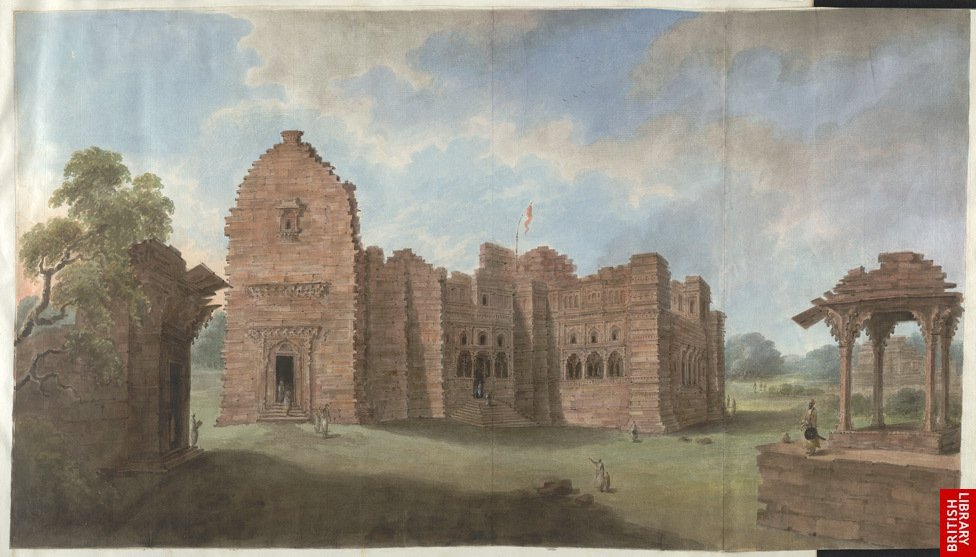
SRINAGAR: The historic Naranag Temple, a significant religious and tourist site in the Ganderbal district of central Kashmir, has officially reopened its doors to devotees and visitors. The decision follows a comprehensive review of the security arrangements in and around the temple complex.
Information was available with The Chenab Times indicating that the reopening was announced via a post on the social media platform X by the Office of the Lieutenant Governor of Jammu and Kashmir. This move is anticipated to boost pilgrimage and tourism activities in the Naranag area, renowned for its ancient temple complex and the natural beauty of its surroundings.
The Naranag Temple, also known as the Wangath Temple, is an ancient Hindu temple dedicated to Shiva. It is situated in the picturesque valley of Naranag, which lies about 50 kilometers east of Srinagar. The temple complex comprises two main clusters of ruins, believed to date back to the 8th century.
Historically, the site has been a place of worship and a significant destination for pilgrims and tourists alike. However, like many public places, its accessibility can be subject to security assessments and administrative decisions aimed at ensuring the safety and well-being of visitors and the local populace.
The administration’s decision to reopen the temple signifies a positive development, suggesting an improved security assessment that allows for the resumption of normal activities. The Office of the Lieutenant Governor’s statement emphasized that the decision was the result of a thorough evaluation of the prevailing security situation, indicating a careful and considered approach by the authorities.
The reopening is expected to have a positive economic impact on the region, as increased visitor numbers can lead to greater demand for local services, including accommodation, transportation, and handicrafts. The scenic beauty of the Naranag valley, coupled with its historical and religious significance, makes it an attractive destination for both domestic and international tourists.
This decision is seen as a step towards normalizing and promoting tourism in the region, which is a key sector for the local economy. The administration’s focus on security reviews before reopening such sites highlights a commitment to ensuring a safe environment for all visitors, thereby fostering confidence and encouraging further tourism development.
The Naranag area is not only significant for its ancient temple but also for its natural landscape, offering opportunities for trekking and appreciating the natural environment. The reopening of the temple is therefore poised to benefit various aspects of the local tourism ecosystem.


The Chenab Times News Desk