


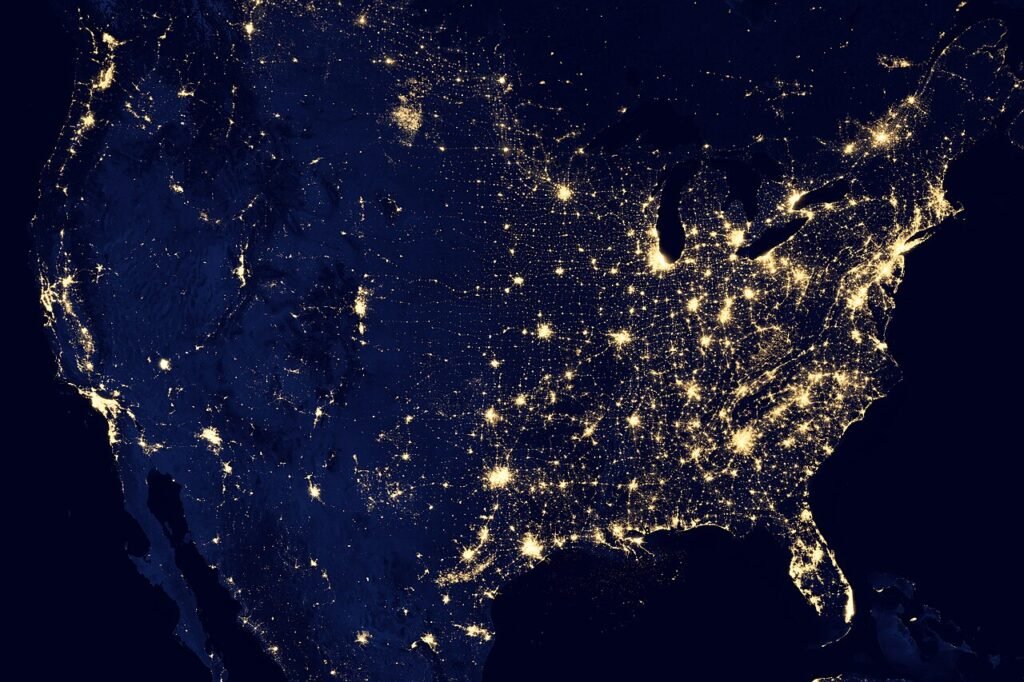
Severe storms brought at least one fatality and widespread damage to parts of the Midwest, as dangerous weather continued to impact regions across the United States. The storms, which included multiple tornadoes, caused significant damage to homes and infrastructure, leaving tens of thousands of customers without power. While the Midwest grappled with tornado damage, some areas in the Northeast experienced extreme heat and humidity.
Midwest Storms Unleash Tornadoes and Fatalities
Powerful tornadoes swept across Illinois, Indiana, and Iowa, with significant destruction reported in Streator, Illinois. The National Weather Service confirmed multiple tornadoes, some rated as strong, capable of destroying structures and uprooting trees. In Iowa, authorities reported at least one storm-related death in Des Moines. Hundreds of homes and buildings sustained damage, and utility crews worked to restore electricity to more than 80,000 customers in northern Illinois and northwest Indiana who lost power.
The severe weather outbreak is part of a broader pattern of dangerous weather across the country. Forecasters warned of continued thunderstorms and severe weather possibilities over the weekend, posing risks of additional rainfall, wind, and lightning to communities already dealing with the aftermath of the storms. The rapid development and intensity of these tornadoes highlighted the dangers of severe weather, particularly when they occur near populated areas.
In Indiana, areas near Kouts, Merrillville, and Hebron were also affected by tornadoes. The National Weather Service indicated that some tornadoes were strong enough to cause significant structural damage, including to roofs, and to uproot trees and power lines. The widespread damage across the region prompted emergency response efforts and utility companies to work on restoring power.
Illinois Communities Devastated by Tornadoes
Reports from Effingham County, Illinois, described one tornado that traveled over 20 miles, causing extensive destruction to buildings and scattering debris. Local footage captured homes being swept from their foundations. Similarly, Charleston and Coles County in Illinois experienced considerable damage, with destroyed mobile homes, downed trees, and widespread power outages.
The National Weather Service issued tornado warnings for several areas, urging residents to seek shelter as large and dangerous tornadoes moved through communities like Teutopolis and Charleston. A particularly threatening tornado was reported near Charleston, moving east at 45 mph and endangering communities along Interstate 57.
The storm system also impacted Indiana, where a tornado caused a roof collapse in Stinesville, leading to rescue operations. The severe weather event was characterized by tornadoes, destructive winds, and hail reported in multiple states, including Iowa, Kentucky, Ohio, and Wisconsin. Emergency crews were assessing the damage and searching for injured residents, with over 82,000 customers losing power across the affected regions. Meteorologists noted the unusually long lifespan of the parent supercell that generated much of the damage in Illinois, tracking for over two and a half hours. Further severe storms were forecast to move eastward, bringing the risk of additional tornadoes, damaging winds, and flash flooding.
The outbreak is part of a larger trend of severe weather events impacting the United States. Similar weather patterns have been observed in recent weeks, emphasizing the need for preparedness and timely warnings for communities in the path of such storms. The convergence of high heat and humidity is noted as a contributing factor to the intensity of these storm systems, fueling the development of tornadoes and severe thunderstorms. The extensive damage underscores the destructive potential of these weather phenomena, leaving communities to focus on cleanup and recovery efforts while bracing for potential future events.
The storm system, which began impacting the Midwest, was observed to be moving eastward, bringing potential risks to other regions. The disruption to air travel was also significant, with numerous flights canceled and delayed nationwide due to the severe weather, affecting major airports like Chicago’s O’Hare and Midway. This broad impact highlights the far-reaching consequences of severe weather outbreaks that can disrupt daily life, transportation, and infrastructure across vast areas.
Northeast Faces Heat Amidst Storm Aftermath
The aftermath in Northeast Ohio also included damage to residential areas and thousands left without power. Reports indicated downed trees, flash flooding, and damage to infrastructure, including a historic covered bridge near Kingsville, Ashtabula County, which sustained damage to its roof. The Ferris wheel at a winery in Geneva on the Lake was also toppled. Power outages affected tens of thousands of customers across various counties in Northeast Ohio, with utility companies working to restore electricity.
In Lorain County, Ohio, a microburst with winds up to 80 mph impacted areas like Amherst, causing trees to be uprooted and debris to scatter. Residents spent the day clearing yards and assessing damage, with many expressing gratitude that the damage was not worse, despite the significant destruction. The cleanup process in these areas is expected to take several days due to the amount of debris and downed trees.
The convergence of powerful winds, heavy rain, and tornadoes underscores the multifaceted nature of these severe weather events. The ongoing assessment of damage and the restoration of essential services like power are critical priorities for the affected communities. The persistence of severe weather patterns across the country signals a continued need for vigilance and preparedness among the public and emergency management agencies.
The reported death toll from the Midwest tornado outbreak and associated severe weather events remains a somber reminder of the destructive power of nature. While storm surveys continue to ascertain the full extent of the tornadoes, communities are focused on recovery and rebuilding efforts. The forecast for additional severe weather in the coming weekend suggests that the immediate threat may not be entirely over, requiring continued monitoring and adherence to weather advisories.
The scale of destruction in some of the hardest-hit areas, such as Streator, Illinois, and parts of Coles County, paints a stark picture of the impact of these tornadoes. The efforts to clear debris, repair damaged homes and businesses, and restore power are monumental tasks facing these communities. The resilience of residents in the face of such adversity is evident as they begin the process of recovery and rebuilding their lives and neighborhoods in the wake of the devastating storms.
The broader implications of these recurring severe weather events extend to infrastructure, agriculture, and the economy. The disruption to transportation networks, including flight cancellations and delays, further highlights the interconnectedness of weather impacts on various sectors. As communities recover, the focus remains on immediate relief and long-term rebuilding, while meteorologists continue to track evolving weather patterns across the nation.
The frequency and intensity of such outbreaks also prompt discussions about climate change and its potential role in exacerbating severe weather phenomena. While direct causal links are complex, the observed patterns suggest a need for continued scientific research and adaptation strategies to mitigate the risks associated with increasingly volatile weather. The national response involves coordinating resources and expertise to support affected regions, ensuring that aid reaches those most in need during this critical recovery phase.
The aftermath in Northeast Ohio also included damage to historical structures, such as the Banana Road covered bridge near Kingsville, and disruptions to local events like the Guardians baseball game, which was impacted by the weather. These localized effects, combined with the widespread power outages and infrastructure damage, illustrate the comprehensive impact of severe weather systems. The ongoing efforts to restore normalcy involve not only physical repairs but also supporting the psychological well-being of residents who have experienced such traumatic events.
The meteorological conditions that fueled this outbreak, including high heat and humidity, are critical factors that forecasters monitor closely. The development of supercells capable of producing long-tracked and violent tornadoes underscores the challenges in predicting and communicating severe weather threats. The coordinated efforts between weather agencies, emergency services, and local authorities are essential in providing timely warnings and facilitating effective response and recovery operations.
The sheer scale of the damage, from leveled homes to downed trees and power lines, signifies the immense power of these storms. Communities across the Midwest are now engaged in the arduous process of cleanup and rebuilding, with a focus on restoring essential services and providing support to those who have lost their homes or sustained significant property damage. The resilience and community spirit are paramount as residents come together to aid one another during this challenging period.
The threat of continued severe weather moving eastward underscores the dynamic nature of these storm systems and the need for ongoing vigilance. Residents in the path of these approaching storms are urged to stay informed and follow all safety guidelines issued by local authorities. The collective response to these events, from immediate rescue efforts to long-term recovery planning, reflects the dedication of various agencies and individuals working to mitigate the impact of severe weather and support affected populations.
The significant destruction in multiple states, including Illinois, Indiana, and Iowa, highlights the widespread impact of this tornado outbreak. The loss of life and the extensive property damage serve as a stark reminder of the unpredictable and often devastating nature of severe weather. As cleanup and recovery efforts continue, the focus remains on ensuring the safety and well-being of all affected residents.



Global Affairs Desk at The Chenab Times covers international developments, global diplomacy, and foreign policy issues through fact-based reporting, explainers, and analytical pieces. The desk focuses on major geopolitical events, diplomatic engagements, and international trends, with an emphasis on verified information, multiple perspectives, and contextual understanding of global affairs.