


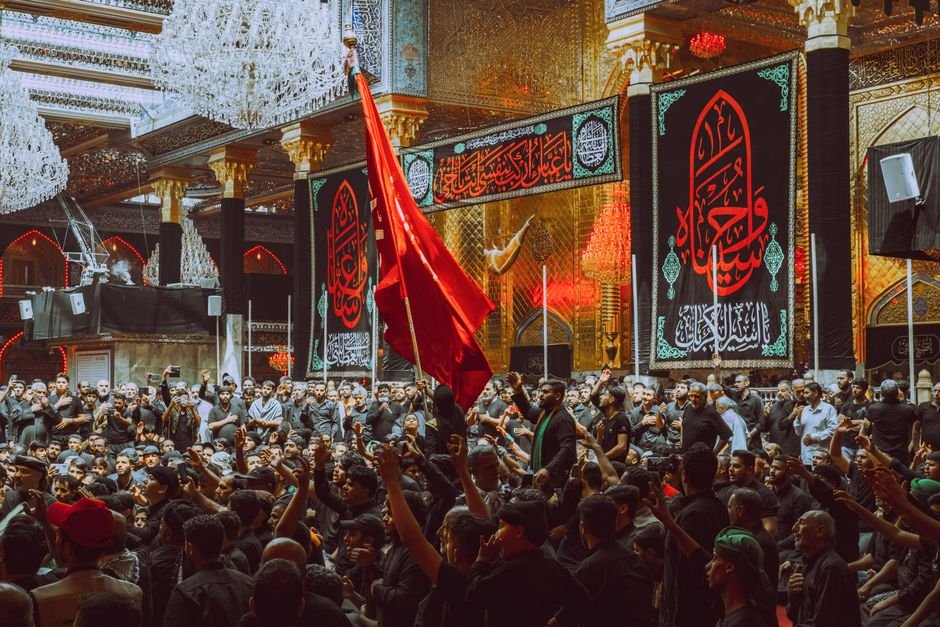
Prominent Shia leaders in Srinagar have renewed their appeals for the removal of restrictions on the traditional Ashura procession, urging authorities to allow the religious observance to proceed on its customary route. The leaders emphasized the importance of respecting the community’s religious rights and ensuring the peaceful and dignified continuation of this significant commemoration.
Aga Syed Mujtaba, speaking to the media, stated that the religious rights of the community must be safeguarded and that the traditional Ashura procession should be permitted along its historic path. This call comes as Shia organizations and religious leaders have persistently advocated for the restoration of the 10th Muharram procession, which has been subject to restrictions for over three decades.
The traditional Ashura procession in Srinagar historically began at Abi Guzar in the city center and concluded in Zadibal, passing through various areas. This procession was halted in 1990 due to security concerns. While the administration has permitted the 8th Muharram procession on a designated route in recent years, the main Ashura procession has remained restricted, despite numerous appeals from Shia organizations.
In parallel, the District Magistrate of Srinagar has granted conditional permission for a procession on July 6, 2025, but with stringent restrictions. The approved route is a modified version from Bota Kadal to Imambara Zadibal, encompassing areas such as Alipora Chowk, Mohalla Syed Afzal Lane, Shiribhat, Alamgari Bazar, and Gassiyar Chowk. However, the administration has rejected requests for an alternate route, citing security concerns. The permission is bound by strict guidelines, including a ban on anti-national or anti-administration slogans, provocative speeches, and any actions that could undermine the sovereignty or security of the state. The use of flags with provocative slogans, images of militants, or symbols of banned organizations is also prohibited. Organizers are required to cooperate fully with security forces and ensure that the procession does not disrupt traffic or emergency services.
The administration has also imposed a ban on drones, public address systems, loudspeakers, and stages that could cause public inconvenience. Any violation of these conditions will lead to strict legal action. The authorities have also registered cases against individuals accused of violating conditions during previous Muharram processions, citing disruption of public order and communal harmony.
The historical context of these restrictions dates back to 1989 when the traditional processions were banned following the outbreak of militancy in the region. Although the security situation has improved in recent years, leading to the partial restoration of some processions, the Ashura procession continues to face significant limitations. This situation has led to concerns among local religious leaders and civil society groups regarding the continued suppression of religious freedoms.


The Chenab Times News Desk