


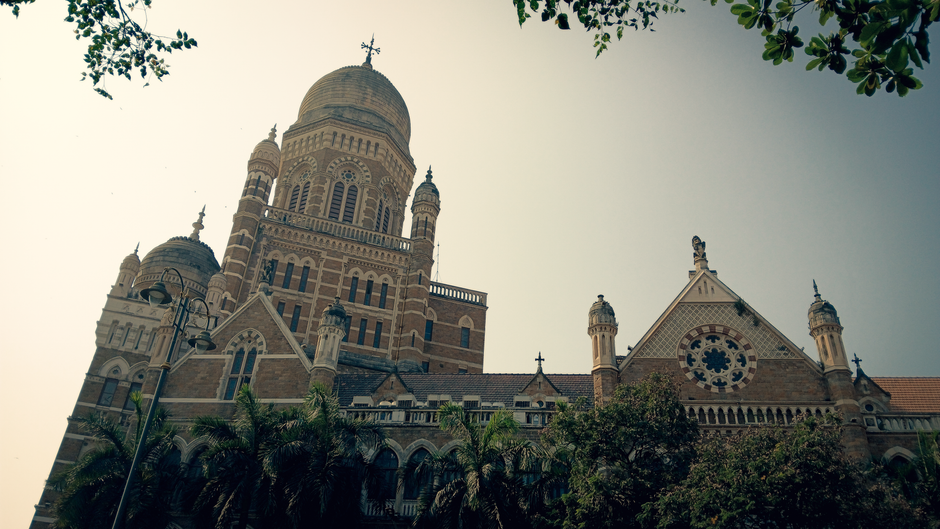
MUMBAI: The much-anticipated Vidyavihar east-west flyover in Mumbai, a project that has been in the works for nearly three decades, is on the verge of completion. The Brihanmumbai Municipal Corporation (BMC) is now aiming for an August 15 opening, following persistent delays that have characterized its lengthy construction period.
Project Background and Delays
The proposal for the Vidyavihar flyover was first incorporated into the BMC’s Development Plan in 1991. Tenders for the project were floated in 2016, with construction commencing thereafter. However, the infrastructure initiative has been plagued by numerous hurdles, including land acquisition issues, encroachments, traffic management complications, and the relocation of utilities. These challenges have led to repeated postponements of its opening date, with previous targets set for mid-2022, December 2024, March 2025, and most recently, June 2026.
The current estimated cost of the project is Rs 178 crore. The flyover is designed to span 612 meters, featuring an open-web girder section over the Vidyavihar railway tracks. This structure will directly connect Lal Bahadur Shastri (LBS) Marg in the east with Ramkrishna Chemburkar Marg in the west, providing crucial east-west connectivity for the area.
Environmental Concerns and Tree Cutting
The construction of the flyover has also raised environmental concerns, particularly regarding the felling and transplantation of trees. Reports indicate that a significant number of trees are in the path of the approach roads. While initial surveys identified around 189 affected trees, with plans for felling, transplanting, and retaining some, later assessments suggested up to 213 trees might be impacted. As a compensatory measure, the BMC has proposed planting a substantial number of new trees, with figures ranging from 1,990 to 2,278, across various locations in Mumbai and Panvel, Maharashtra. The Maharashtra Forest Development Corporation (MFDC) has been proposed to execute this compensatory plantation drive.
Impact on Commuters
Currently, residents and commuters in Vidyavihar face considerable inconvenience due to the lack of direct east-west road connectivity. Motorists are compelled to use longer detours via the Ghatkopar or Kurla road overbridges, a journey that can take between 30 to 45 minutes, depending heavily on traffic conditions. The completion of the Vidyavihar flyover is expected to drastically reduce this travel time to approximately 10 to 15 minutes, significantly easing congestion and improving daily commutes for thousands of residents in Mumbai’s central suburbs.
The BMC has been working to expedite the remaining construction work, with officials inspecting the site and issuing directives for timely completion. Despite the ongoing challenges and extended timeline, the civic body remains committed to making the flyover operational, anticipating it will be a vital addition to Mumbai’s transportation infrastructure.


The Chenab Times News Desk